

 Models
GLM-5.4 makes repeated computation part of the model comparison
Z.ai’s looped architecture reuses parameters across passes. Its value depends on capability measured with the complete serving and reasoning budget.
Model releases and architectures: what changes in capability, efficiency and control.
LLMs · VLMs · VLAs · World models · Image, video & audio · Embeddings
47 articles
ModelsZ.ai’s looped architecture reuses parameters across passes. Its value depends on capability measured with the complete serving and reasoning budget.
 Models
Baidu’s open checkpoint combines post-training with several serving formats. Reproducible quality depends on preserving the configuration used to obtain it.
 Models
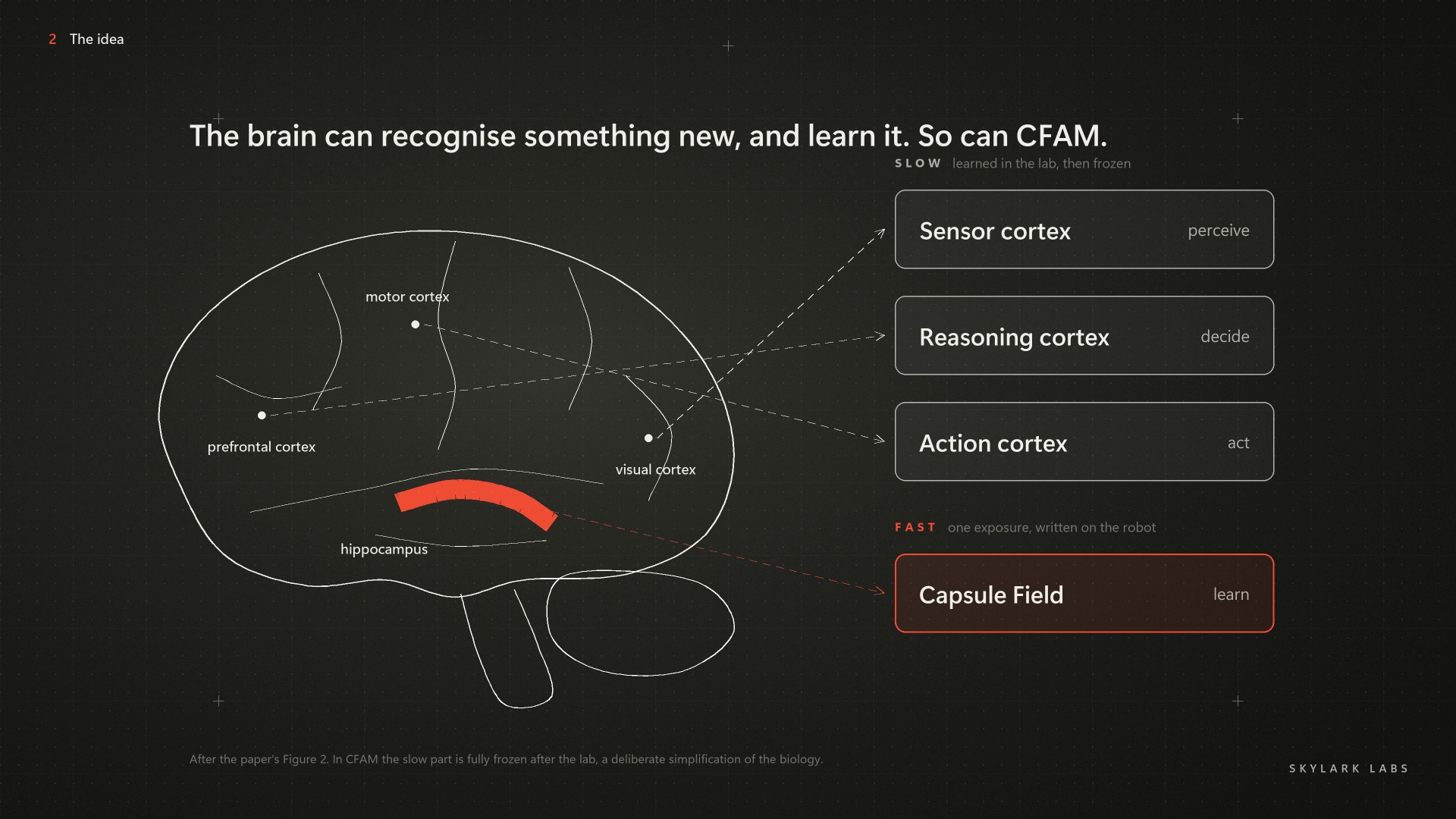
Explains learning from demonstrations and verified on-device memory updates, separating broader robotics results from EOD-specific validation.
 Models
Examines the relationship between repeated computation, resource demands and the visibility of model reasoning.
 Models
Assesses the platform around the model: enterprise context, connected tools and controlled execution.
 Models
The API release targets software work with vendor-reported token savings; equivalent task quality remains the essential comparison.
 Models
Meituan’s November 2 model release emphasizes native visual representation and sustained software tasks, with chat and API access.
 Models
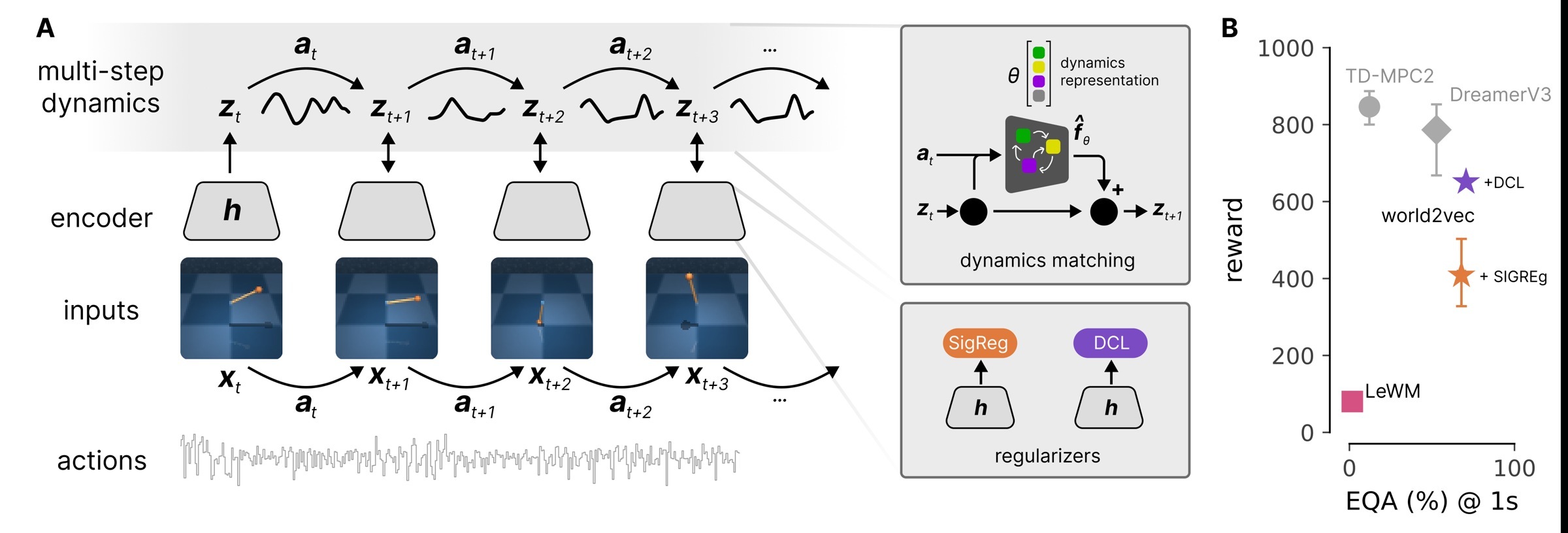
A reward-free world-model study tests whether compact latent dynamics preserve how a system evolves.
 Models
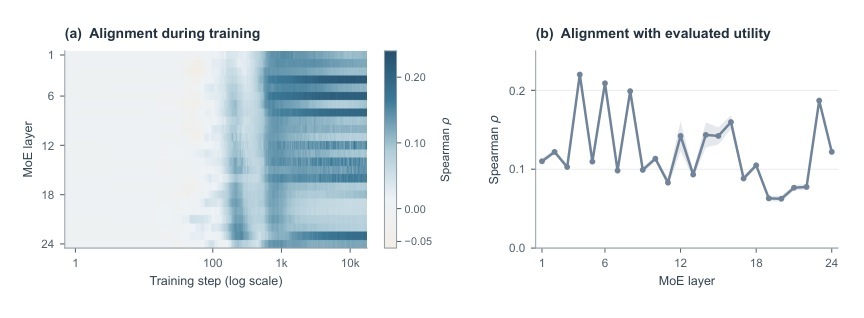
Baidu’s study keeps selected-expert execution fixed while using several routing views to change the computation.
 Models
DiffuSpace reports strong coding results and fast generation; the release makes workload, precision and hardware essential to the comparison.
 Models
SperidLabs’ open release lowers the hardware barrier for Gaussian-splat generation; visual plausibility remains different from measured reconstruction.
 Models
The new multimodal model expands open-weight choices, while hardware, precision and workload still define the useful result.
 Models
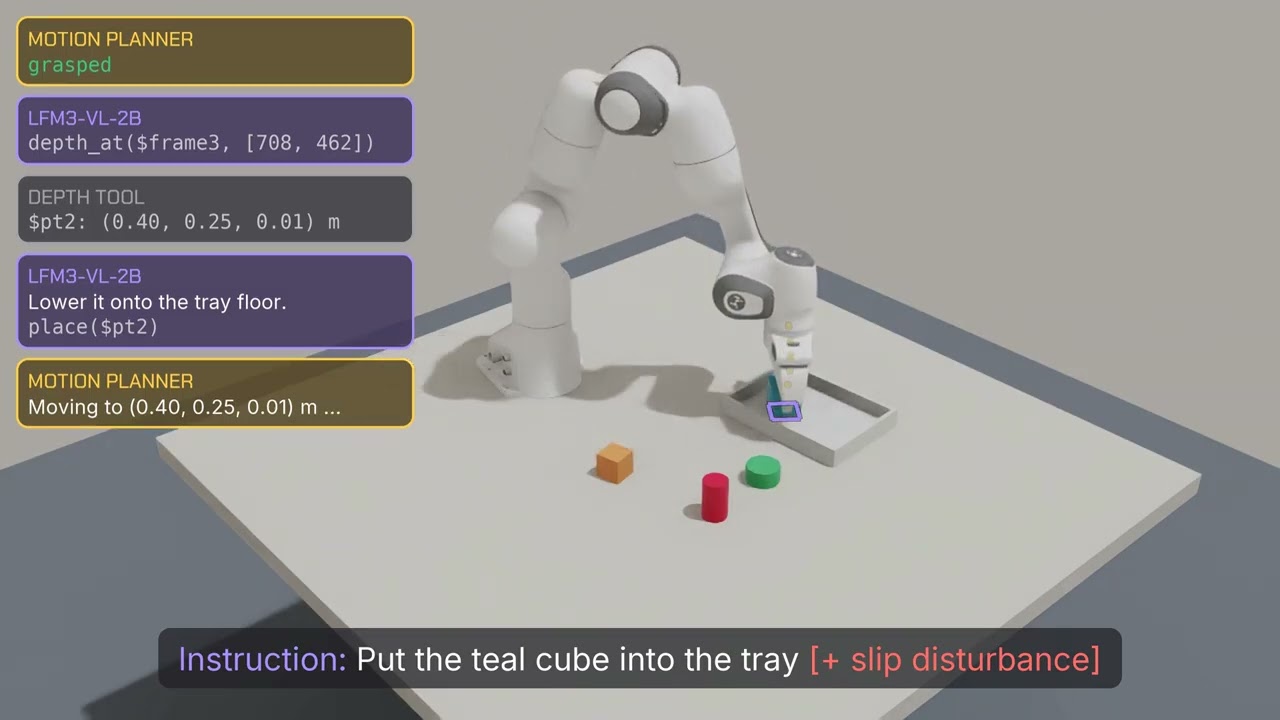
IBM’s patch changes specialized components while retaining the base model, making regression testing a composition question.
 Models
Six compact model variants share a backbone; local customization still needs task and device testing.
 Models
The October release offers different models for recognition, edge throughput and speaker attribution; one score cannot represent all three.
 Models
The October 19 API release emphasizes sparse inference and agent benchmarks; faster token generation does not by itself establish cheaper successful work.
 Models
Moonshot’s October 23 announcement introduces Pro and Highspeed; the documentation promises weights by November 4 and leaves some benchmark fields unfinished.
 Models
The open models score bounded choices instead of generating prose; local calibration remains a separate test.
 Models
Inception reports rapid generation and expanded context; application latency and task success need joint measurement.
 Models
The research preview joins text, imagery, video and actions; selected demonstrations leave general reliability unresolved.
 Models
Released base and supervised checkpoints expose starting points for adaptation; the final post-trained model remains a later milestone.
 Models
The October 19 release reuses learned representations for sparse search; pruning needs to be tested against the questions a service must answer.
 Models
October release notes explain previously released weights, training data and intermediate checkpoints; the documentation is not a new model launch.
 Models
The October 15 release combines multivariate forecasting and known-future inputs; local backtesting remains the test of usefulness.
 Models
Bounding-box prompts add composition control; preserving untouched regions remains a separate evaluation question.
 Models
Meta released Muse Spark Open on October 15; open weights create deployment choices without removing hardware, licensing or evaluation constraints.
 Models
Granite Switch 4.1 composes a base model, on-demand adapters and a speech encoder; efficiency claims still need workload-level testing.
 Hover to animateModels
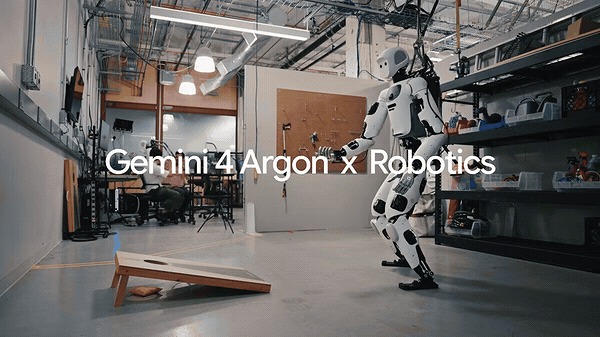
Google’s Gemini 4 Argon demonstration points to a new use for human footage: specifying a physical experiment that a robot can rehearse.
 Hover to animateModels
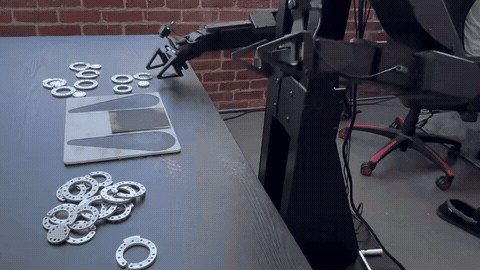
Physical Intelligence’s beta shifts attention from obtaining a model to knowing exactly what to teach it next.
 Hover to animateModels
Anthropic’s faster everyday model exposes a limit of agent scaling: extra review can expand scope instead of improving the answer.
 Hover to animateModels
The enterprise platform’s memory, skills and orchestration make the workflow a persistent asset—and a separate thing to govern.
 Hover to animateModels
Google’s image-model update supports richer references and editing, while familiar sampling parameters are absent from its documented interface.
 Hover to animateModels
Anthropic’s launch footnotes reveal that a production score can include fallback models as well as the named model.
 Hover to animateModels
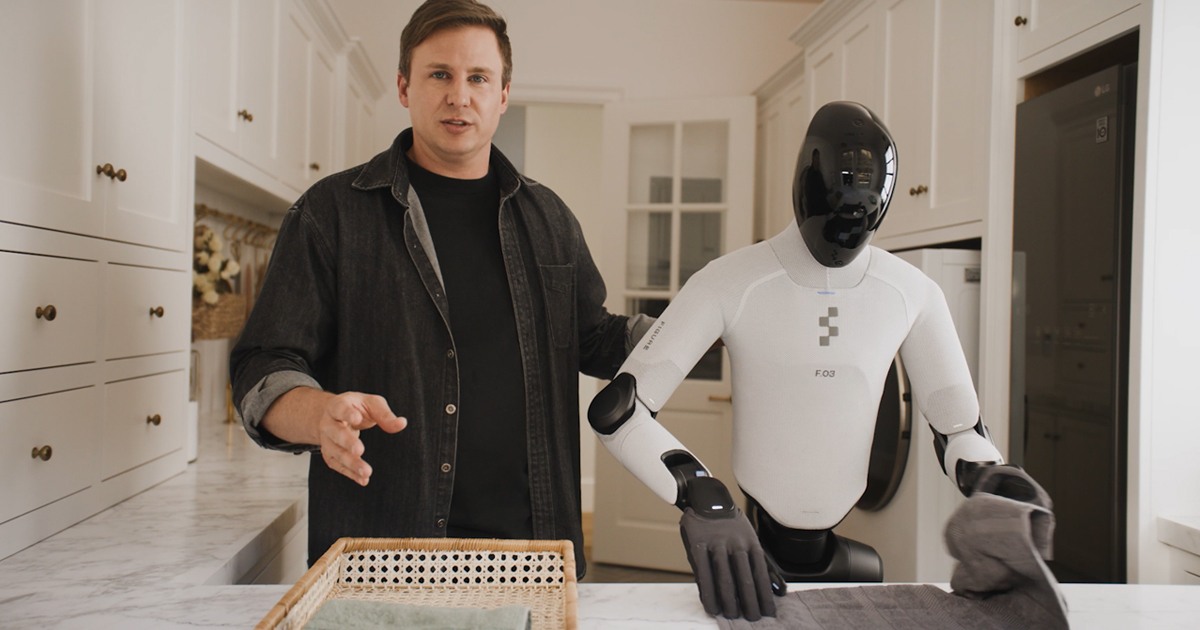
A controlled comparison points to human-experience pretraining—not a fresh robot lesson in every room.
 Hover to animateModels
Short demonstrations can act as context, while a separate adaptation route changes weights. Those are different deployment choices.
 Hover to animateModels
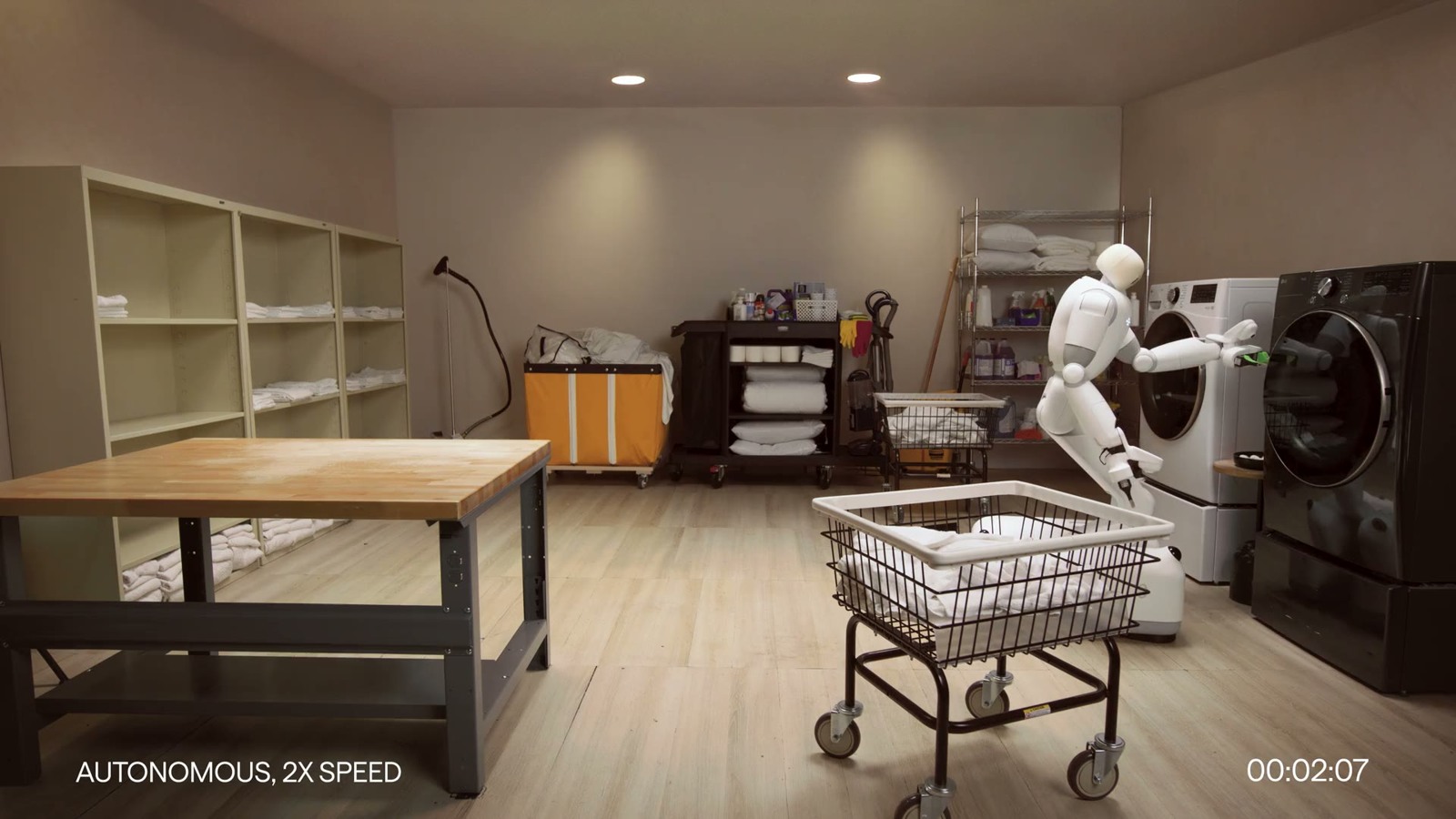
Dyna-2.1 combines a mobile body, an action policy and a slower workflow model. Its useful memory records what happened in this room today.
 Hover to animateModels
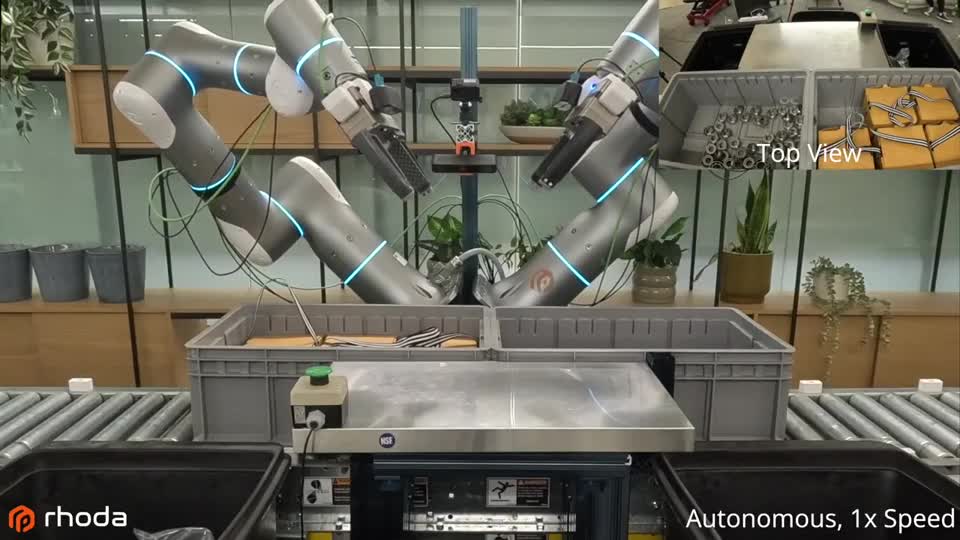
The Direct Video-Action approach separates choosing a future from translating that future into motion. Its small robot-data bill is still not a claim of learning from nothing.
 Hover to animateModels
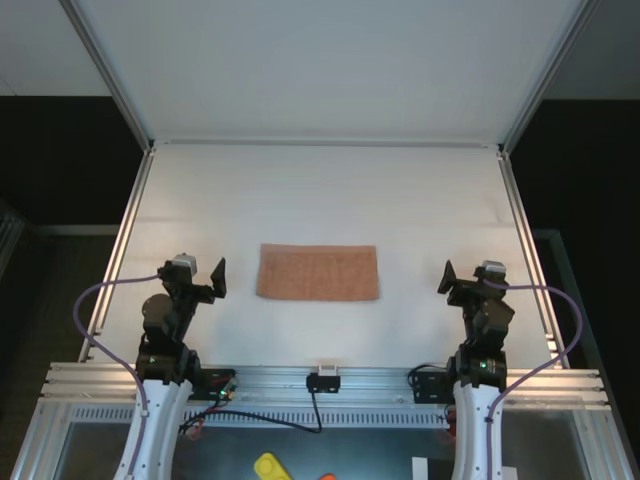
Action flow connects human hands and robot arms through image motion. Its promising policy metric measures replay, leaving closed-loop prediction as a separate test.
 Hover to animateModels
The company’s model, glove and manipulation platform address the translation between human demonstrations and robot actions together.
 Hover to animateModels
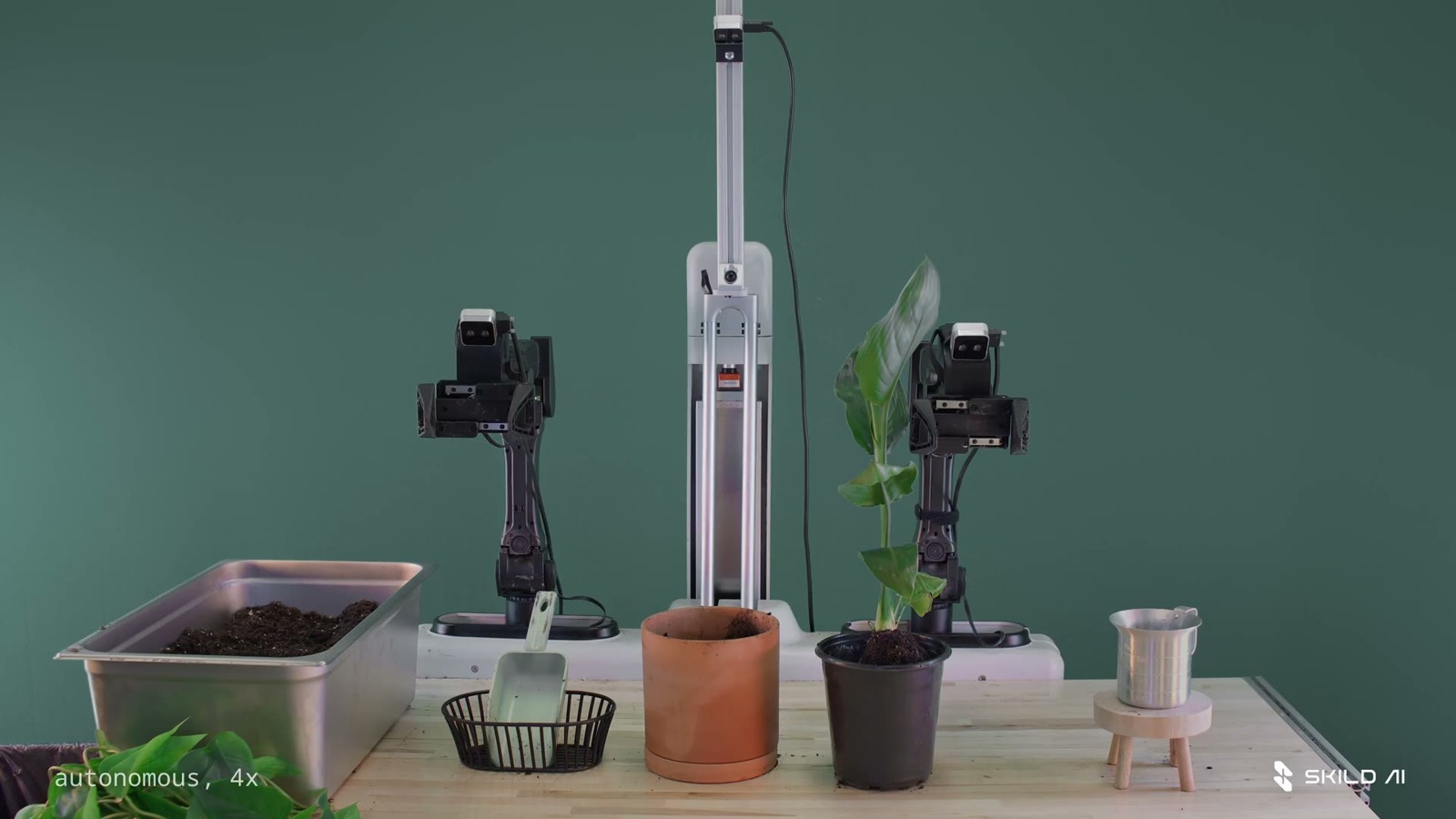
The model’s real advance is rapid task specification. Its widely quoted 66% result measures something narrower than autonomous job completion.
 Hover to animateModels
Interactive generated worlds could broaden agent training. Their own failures must be separated from the learner’s mistakes.
 Hover to animateModels
Anthropic brings adjustable reasoning to its small-model tier. The savings depend on what survives the handoff to a larger model, not just the price of the first answer.
 Hover to animateModels
The multimodal preview highlights a costly blind spot in document AI: a plausible answer may come from the wrong chart, label or footnote. Test what the model saw before scoring what it concluded.
 Hover to animateModels
Reflection trains its model to avoid unnecessary reasoning tokens. The business test is whether it removes wasted work without increasing failed attempts or human correction.
 Hover to animateModels
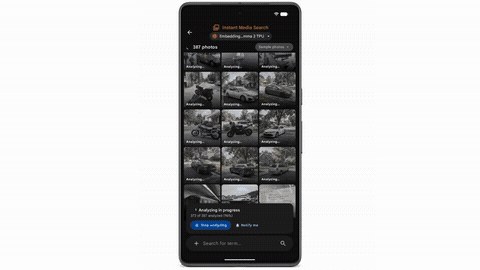
Google’s compact model searches across text, images, video and audio in a shared representation. Its useful advantage may be a simpler retrieval pipeline, provided it finds the records that actually matter.
 Hover to animateModels
DeepSeek separates the work of reading from answering and reports a smaller context cache. For long-running systems, the opportunity is to retain useful evidence at a lower cost—not simply generate tokens faster.
 Hover to animateModels
OpenAI positions Sol near its pricier Astra on selected evaluations. The practical opportunity is moving routine work to a cheaper model while identifying the exceptions that still need more capability.
 Hover to animateModels
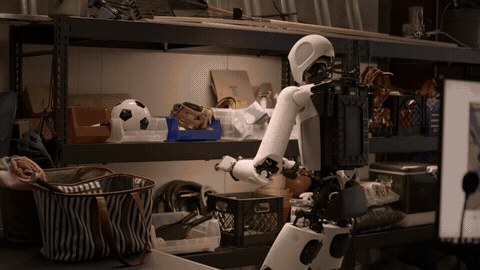
Google DeepMind’s transfer claims point to a potentially scalable model business: reuse learned skills across different bodies. The test is total adaptation effort, including data collection and validation.
 Hover to animateModels
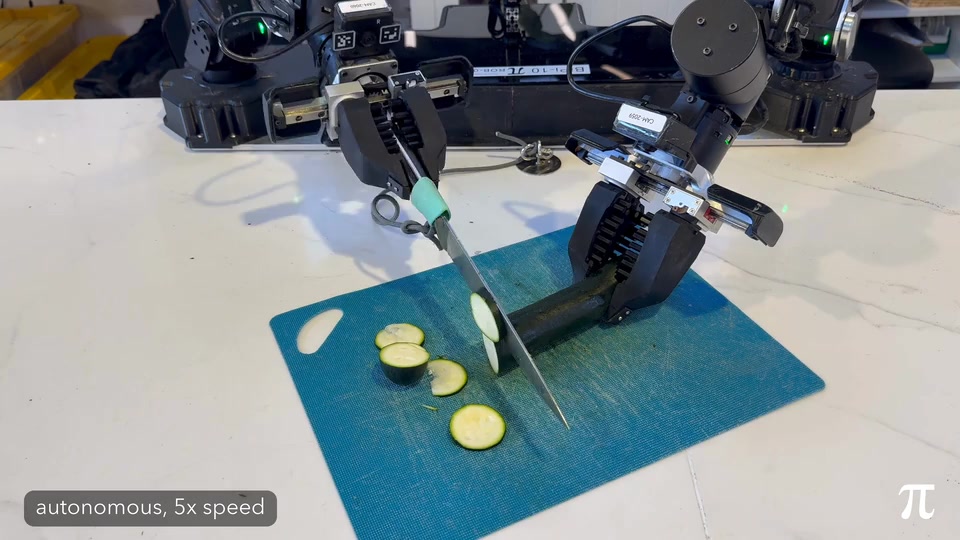
The steerable model explores whether richer instructions can reuse skills already learned. The business opportunity is fewer new demonstrations; the unresolved cost is the human guidance needed to make it work.
Explore the other topics in this desk.
Explore the research library for paper-based analysis.
Explore Physical AI: robot policies, video demonstrations, world models and the tools used to test them.