

 Models
GLM-5.4 makes repeated computation part of the model comparison
Z.ai’s looped architecture reuses parameters across passes. Its value depends on capability measured with the complete serving and reasoning budget.
Z.ai’s looped architecture reuses parameters across passes. Its value depends on capability measured with the complete serving and reasoning budget.
Read the analysis ↗Model releases and architectures: what changes in capability, efficiency and control.
ModelsZ.ai’s looped architecture reuses parameters across passes. Its value depends on capability measured with the complete serving and reasoning budget.
 Models
Baidu’s open checkpoint combines post-training with several serving formats. Reproducible quality depends on preserving the configuration used to obtain it.
 Models
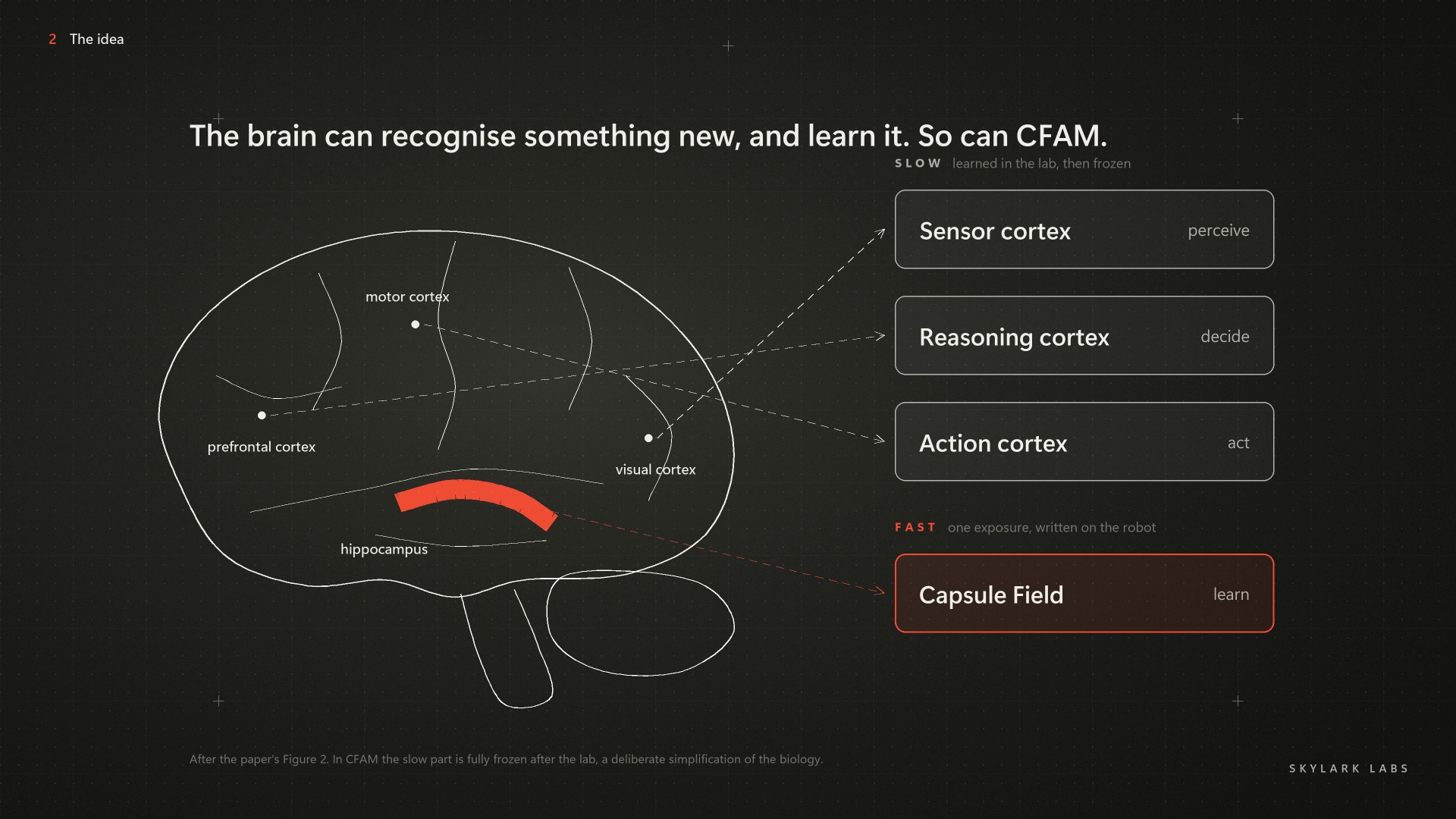
Explains learning from demonstrations and verified on-device memory updates, separating broader robotics results from EOD-specific validation.
The datasets, collection systems and curation methods that determine what a model can learn.
 Data
LlamaIndex’s lightweight local parser targets everyday documents. The useful saving depends on recognizing which pages need a more capable path.
 Data
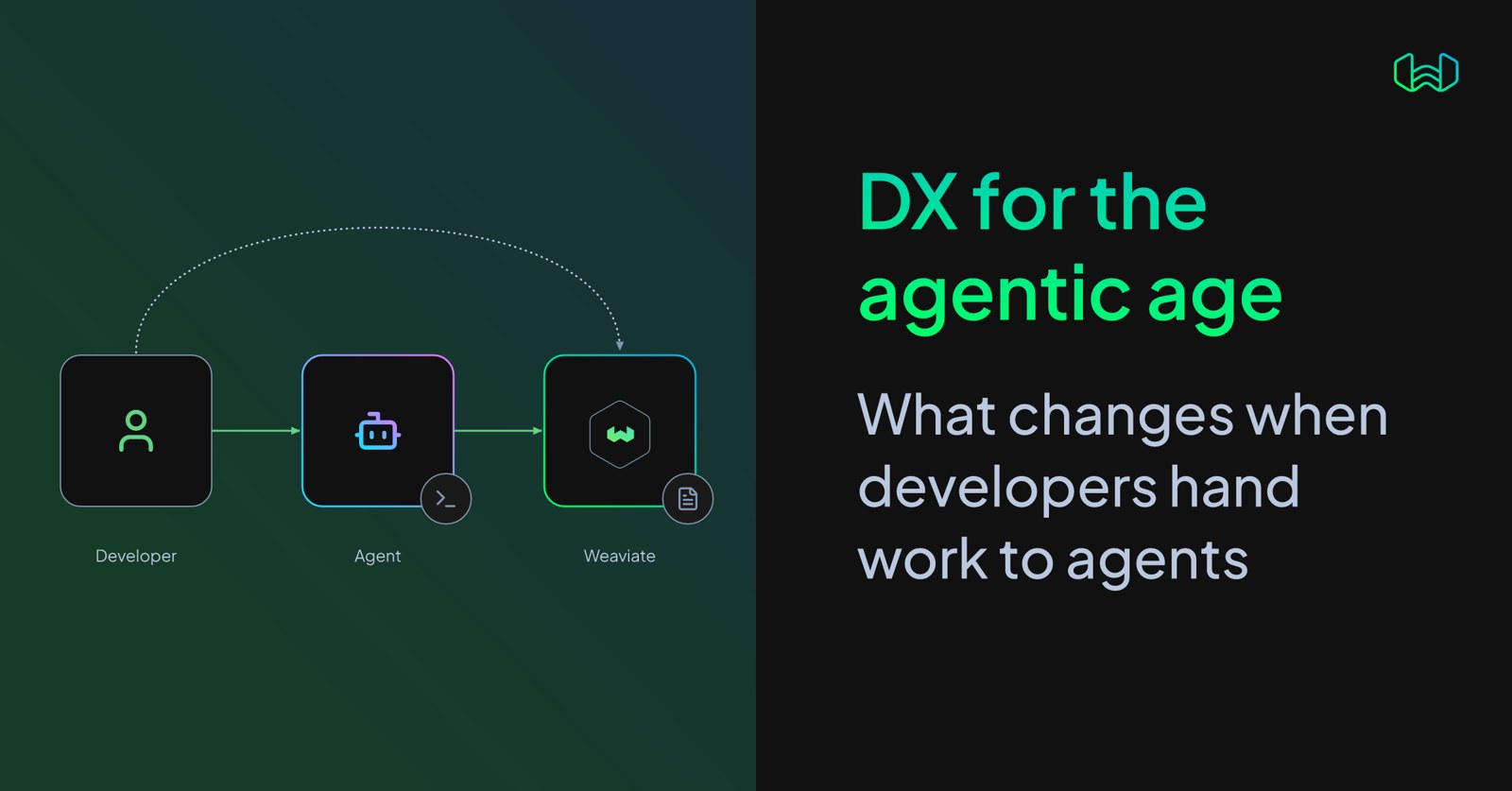
A page that looks complete to a person can reach an agent with missing examples. Retrieval quality begins with what the tool actually returns.
 Data
Examines licensed enterprise data access, source attribution and the boundary between retrieved facts and inference.
Pre-training and post-training advances that change the cost, speed and behavior of AI models.
 Training
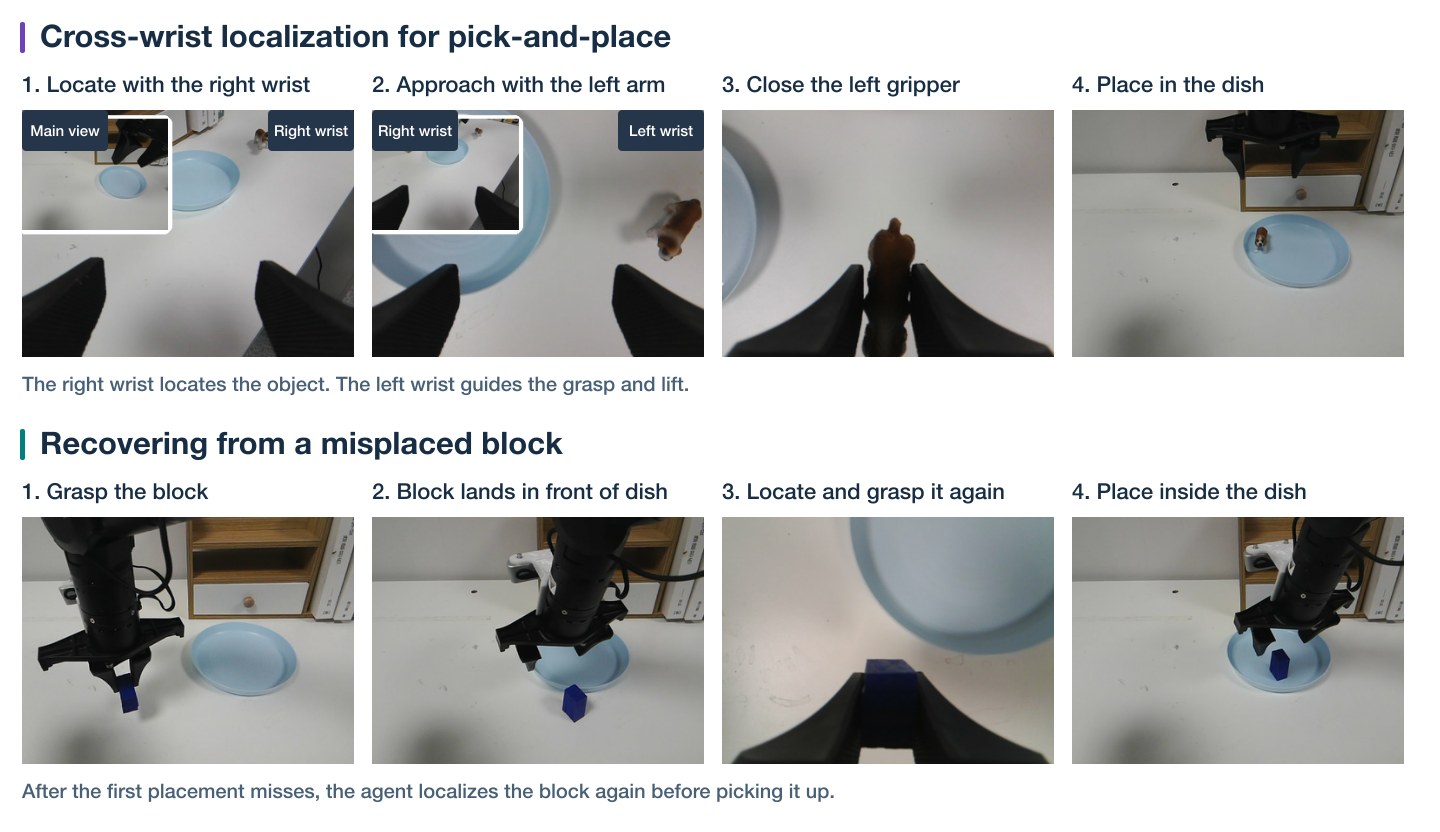
SenseNova’s release combines model refinement with execution changes. Its simulation and small physical trials answer different questions.
 Training
The November 23 service update specifies hardware, context and session limits. Those details shape which fine-tuning experiments are practical.
 Training
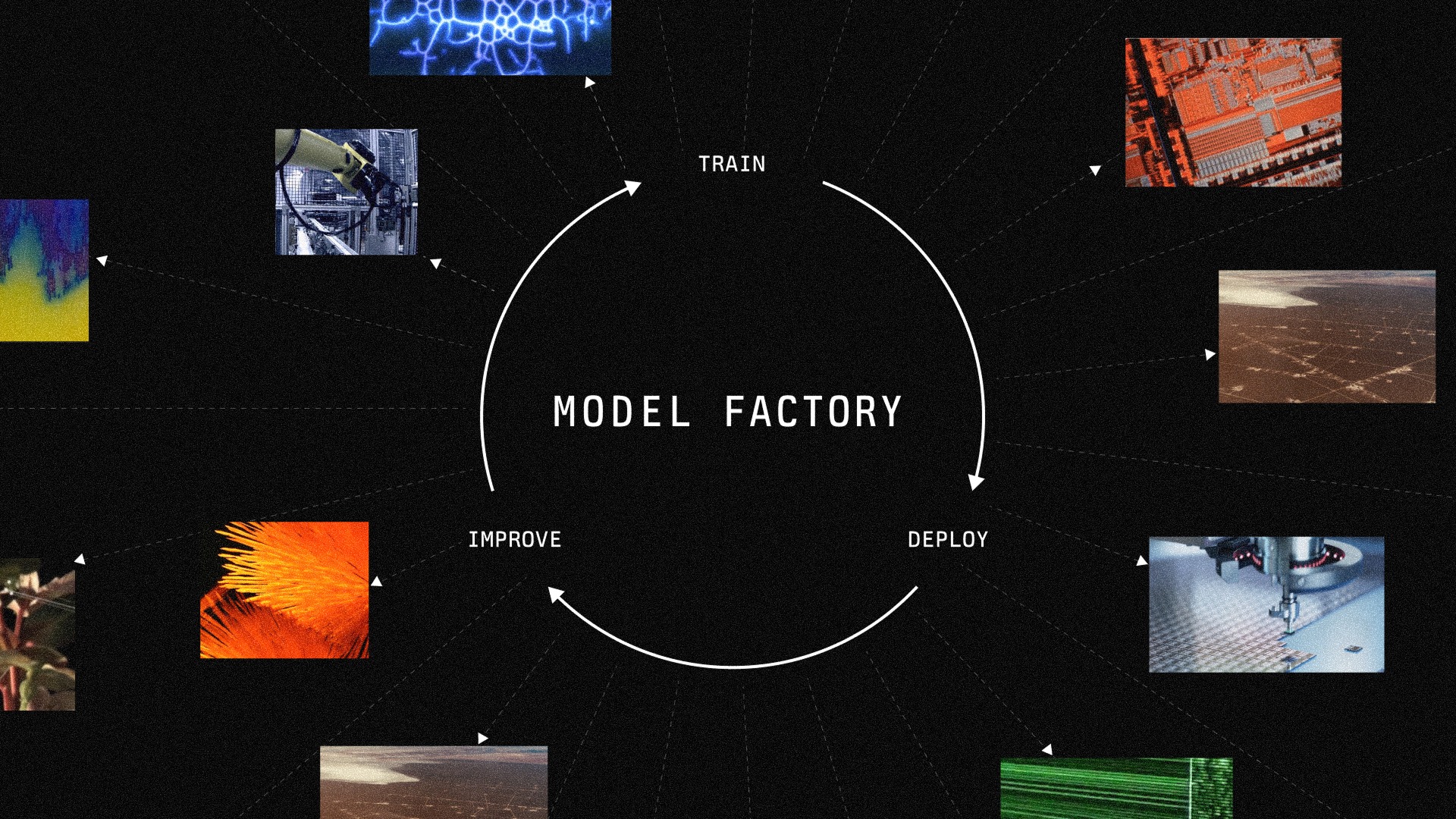
Examines the proposed feedback loop between task-specific training, deployed checkpoints and production traces.
How models reason and run: serving speed, memory, inference-time compute and cost per useful result.
 Inference
The proposed DOS technology acquisition extends a Trainium collaboration. Normalized serving evidence will determine its practical value.
 Inference
Cirrascale access can make a new inference platform easier to qualify. Select-customer evaluation still leaves the production economics to prove.
 Inference
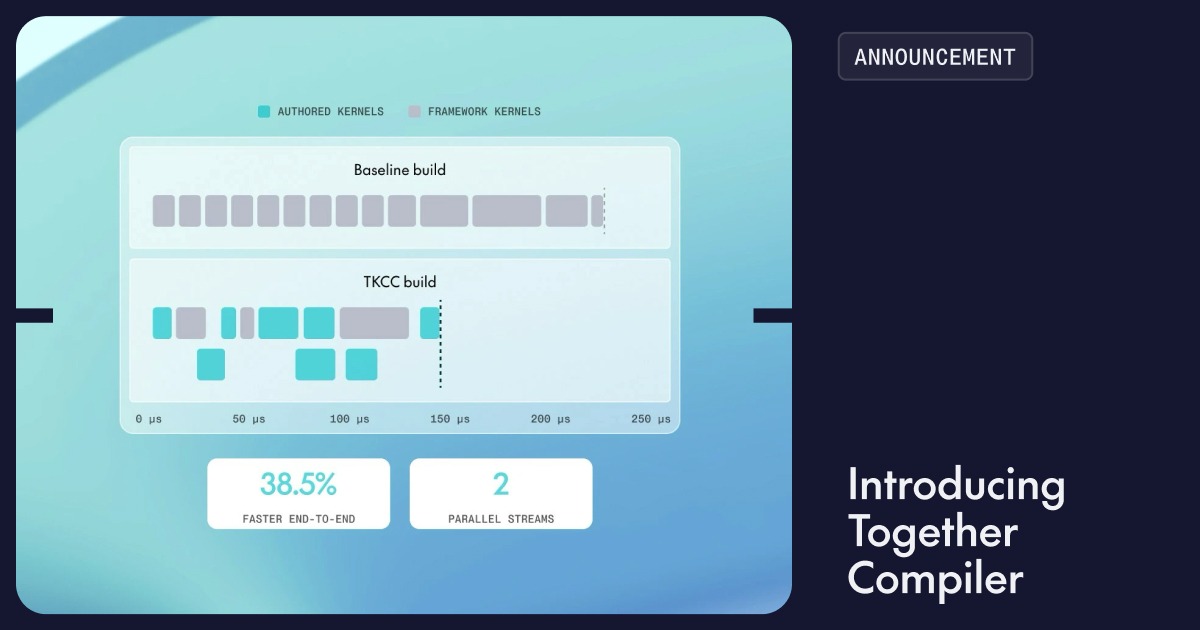
Examines agent-generated optimisations as models, hardware and traffic change, with correctness and workload limits kept explicit.
The tests and evidence that separate a stronger model from a better-looking score.
 Evaluations
Anthropic’s new development workflow needs evidence about missed defects and allowed actions as well as merged pull requests.
 Evaluations
The router removed providers and restricted ZDR eligibility after testing. Assurance now depends on what verification can and cannot observe.
 Evaluations
Explores how production traces and broader review can expose weaknesses hidden by aggregate evaluation scores.
Looking for papers? Explore the research library.