

 Inference
Amazon’s Decart technology agreement targets the economics around the model
The proposed DOS technology acquisition extends a Trainium collaboration. Normalized serving evidence will determine its practical value.
How models reason and run: serving speed, memory, inference-time compute and cost per useful result.
Serving & runtime · Compression & efficiency · Inference-time reasoning
30 articles
InferenceThe proposed DOS technology acquisition extends a Trainium collaboration. Normalized serving evidence will determine its practical value.
 Inference
Cirrascale access can make a new inference platform easier to qualify. Select-customer evaluation still leaves the production economics to prove.
 Inference
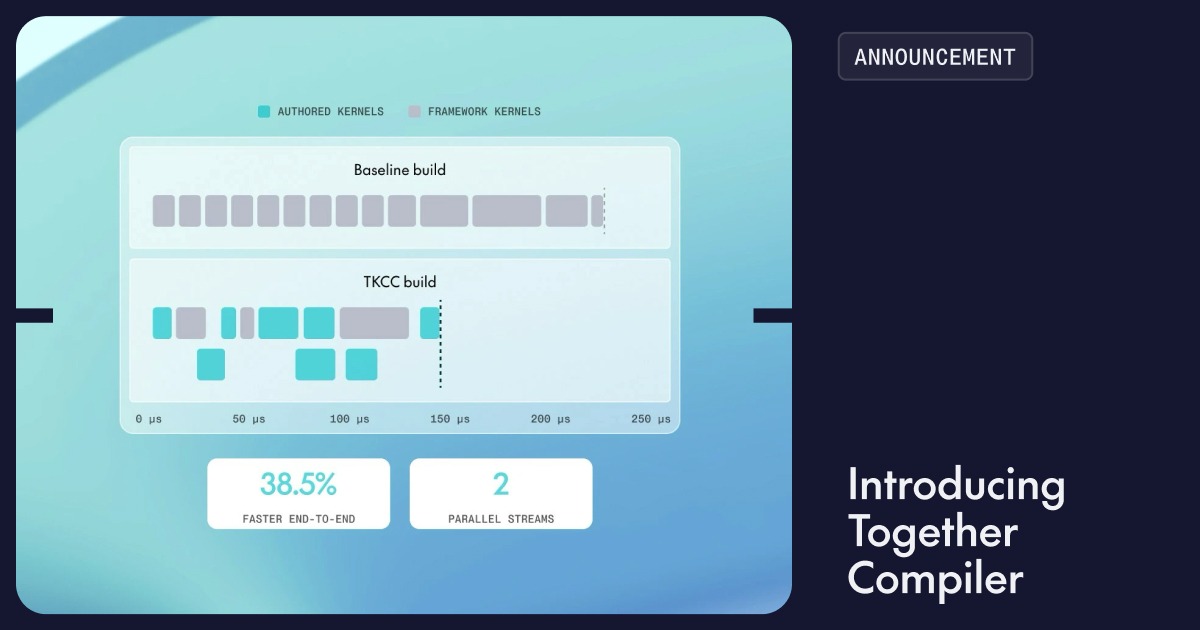
Examines agent-generated optimisations as models, hardware and traffic change, with correctness and workload limits kept explicit.
 Inference
Assesses model routing through completed-work quality and total cost rather than token prices alone.
 Inference
The planned deployment creates a commercial data-center test for optical prefill; headline efficiency claims still await workload-level evidence.
 Inference
The paired services address different parts of an agent application: generating a response and running the code it produces.
 Inference
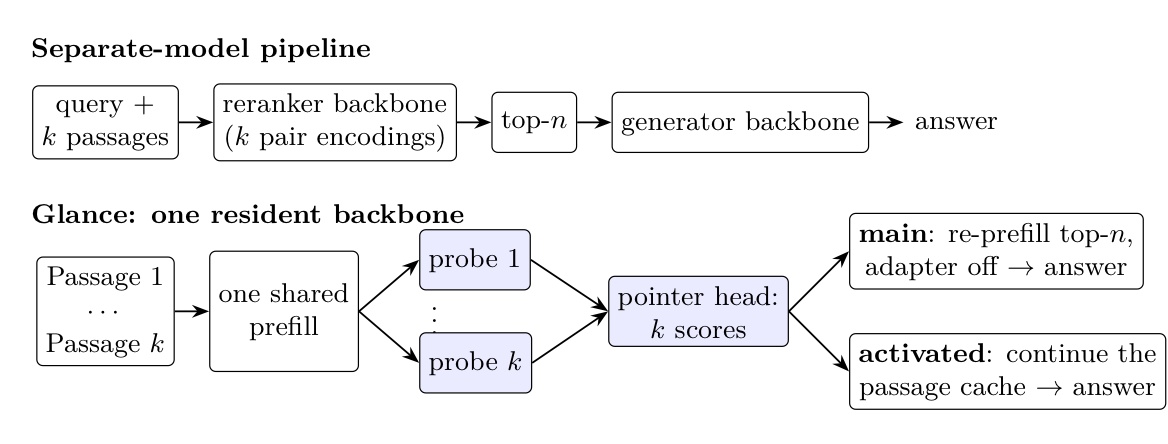
Airun’s adapter scores candidate passages with the answering backbone, while a dedicated cross-encoder remains faster per query.
 Inference
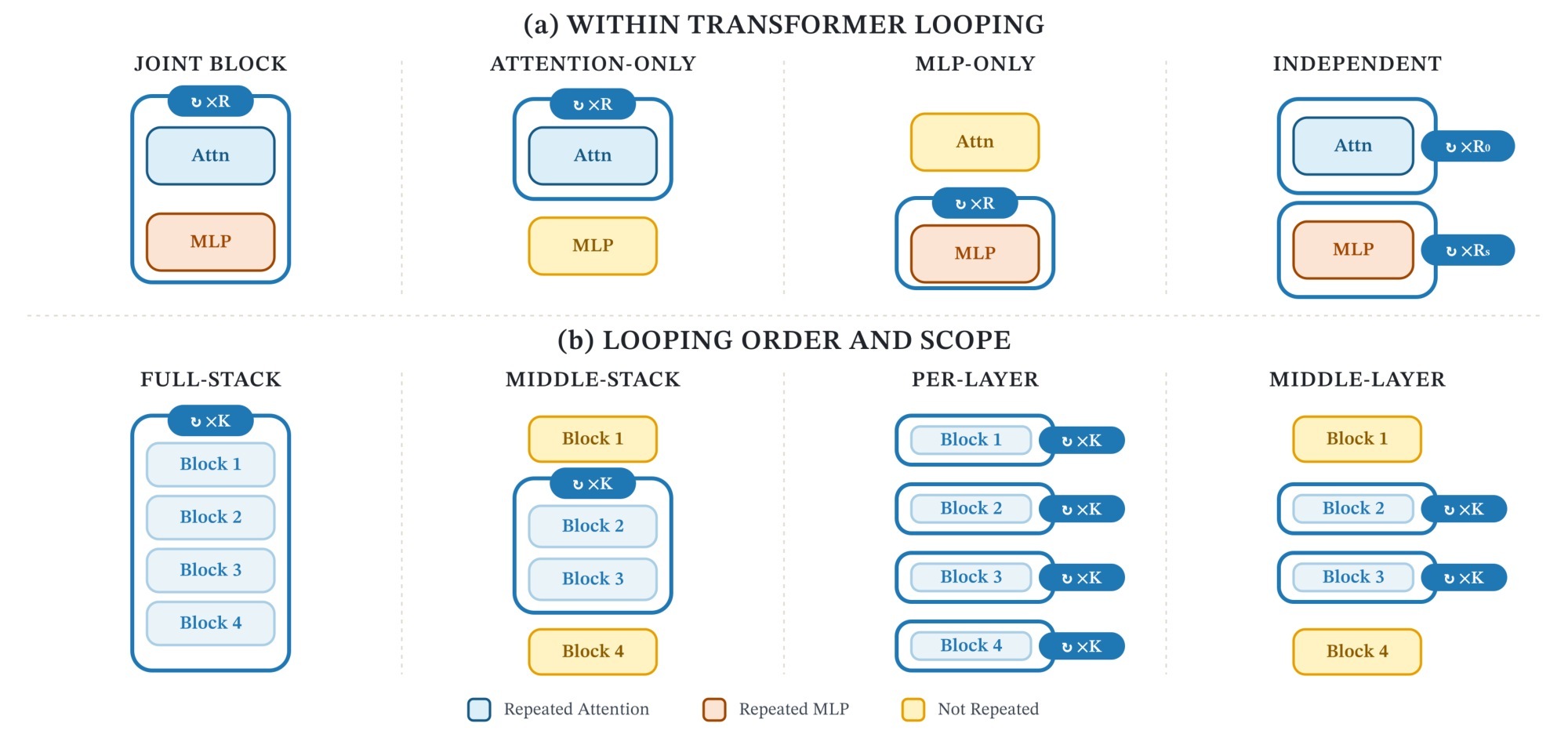
Meta researchers compare shared computation, loop-specific adapters and parallel decoding under different resource budgets.
 Inference
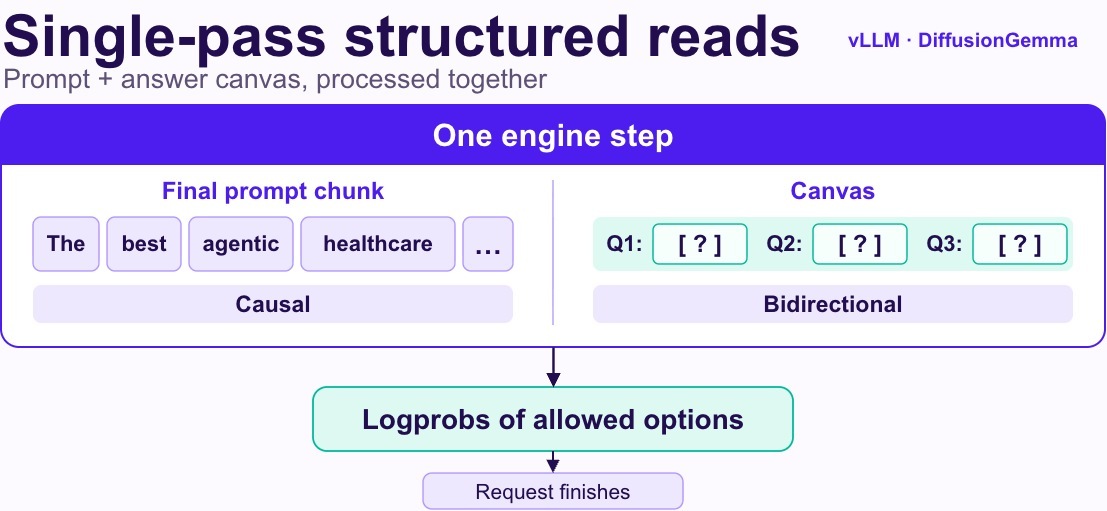
Its DiffusionGemma experiment reports modest serving gains and lower idle-capacity costs; unchanged aggregate accuracy does not mean every decision stayed the same.
 Inference
The public dataset exposes tested versions and runnable scripts; a short generation check does not establish production throughput or long-context reliability.
 Inference
AnySpeechRecognizer and AnyDecisionModel broaden backend choices, while timing, confidence and device support still differ.
 Inference
Day-zero support includes speculative decoding and context parallelism, whose gains depend on different workload conditions.
 Inference
Adaptive verification trees target faster prompt expansion, but the published experiments use a specific GPU and workload configuration.
 Inference
Project Beacon proposes policy controls during generation; the October announcement describes planned capabilities and early partners.
 Inference
Mistral combines speech models, streaming and tools; component benchmarks leave interruptions, corrections and action confirmation to be assessed together.
 Inference
The October 14 serving report compares configurations on four GB300 GPUs; single-request speed and per-GPU concurrent throughput describe different operating points.
 Inference
Its launch account separates prefill and decode and describes failover, while reported availability remains a dated observation.
 Inference
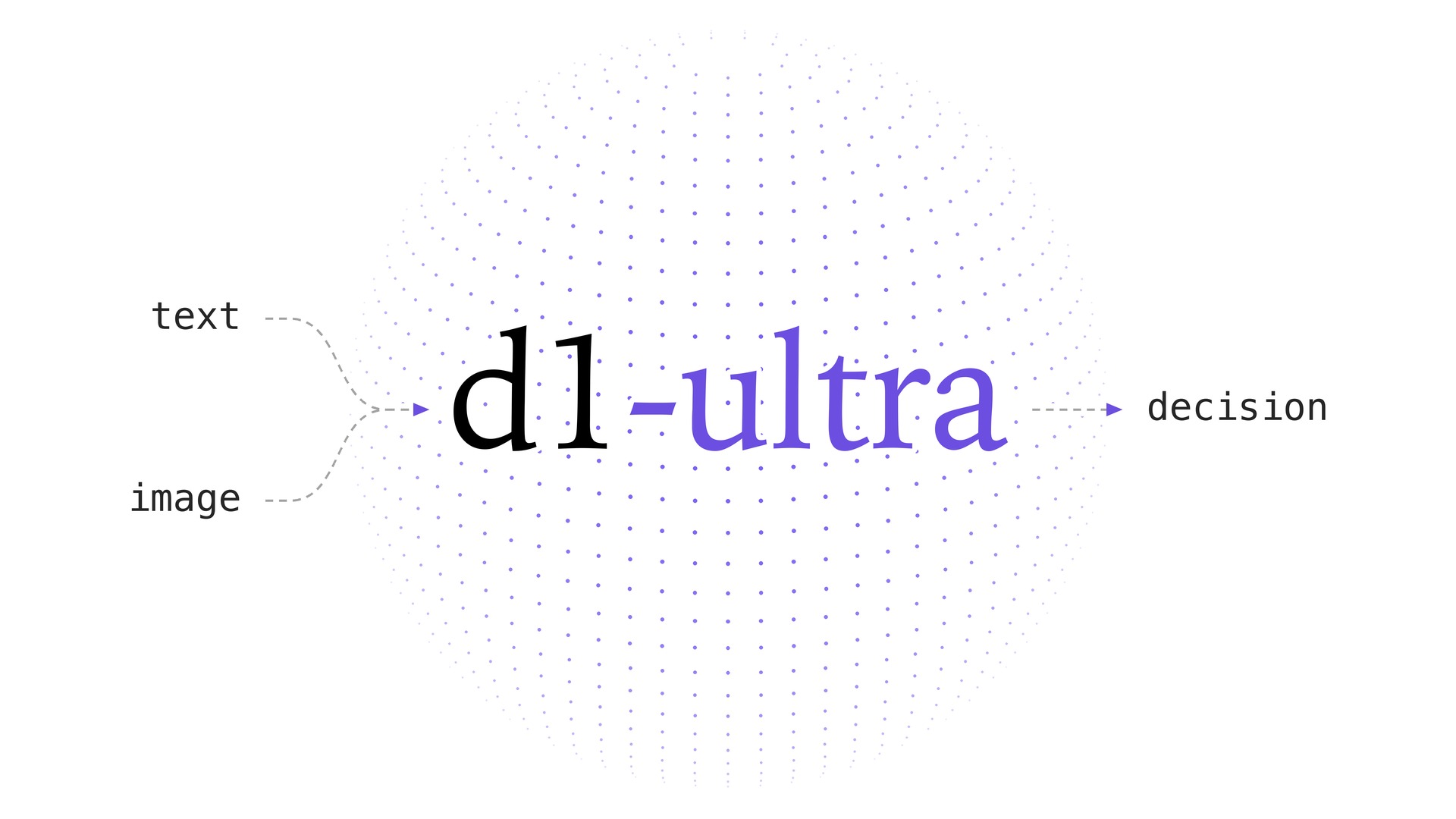
The model scores bounded fields across media in one call; probability quality and input cost still need workload-specific checks.
 Inference
The release adds fairness, coordinated upgrades and session-aware routing; operational promises need testing under contention and failure.
 Inference
The multimodal decision API avoids generated output tokens; repeated questions and image inputs still contribute to the bill.
 Inference
Its September 28 architecture account reports an observational reliability gain, while preserving location constraints and geographic latency.
 Inference
The October 12 release mirrors sampled requests, but best-effort drops must remain visible in the comparison.
 Inference
Sparse activation lowers per-token work, while total memory and completed-task cost still govern deployment.
 Inference
The reported gains concern constrained experiments; the engines were not serving production traffic in the October account.
 Inference
Together AI's October update describes an IBM Cloud-NVIDIA collaboration; IBM's original agreement sets a Q1 2027 availability expectation, so capacity plans must remain distinct from a generally available service.
 Inference
A March research release separates cold prompts from cache-backed requests; its reported throughput gains apply to a specified mixed workload, not every inference service.
 Hover to animateInference
Liquid AI’s d1 measurements suggest several decisions can share the cost of reading a scene. The saving depends on how quickly that scene changes.
 Hover to animateInference
QVAC’s new on-device recogniser makes the distinction between bulk throughput, short-utterance latency and first-load cost unusually visible.
 Hover to animateInference
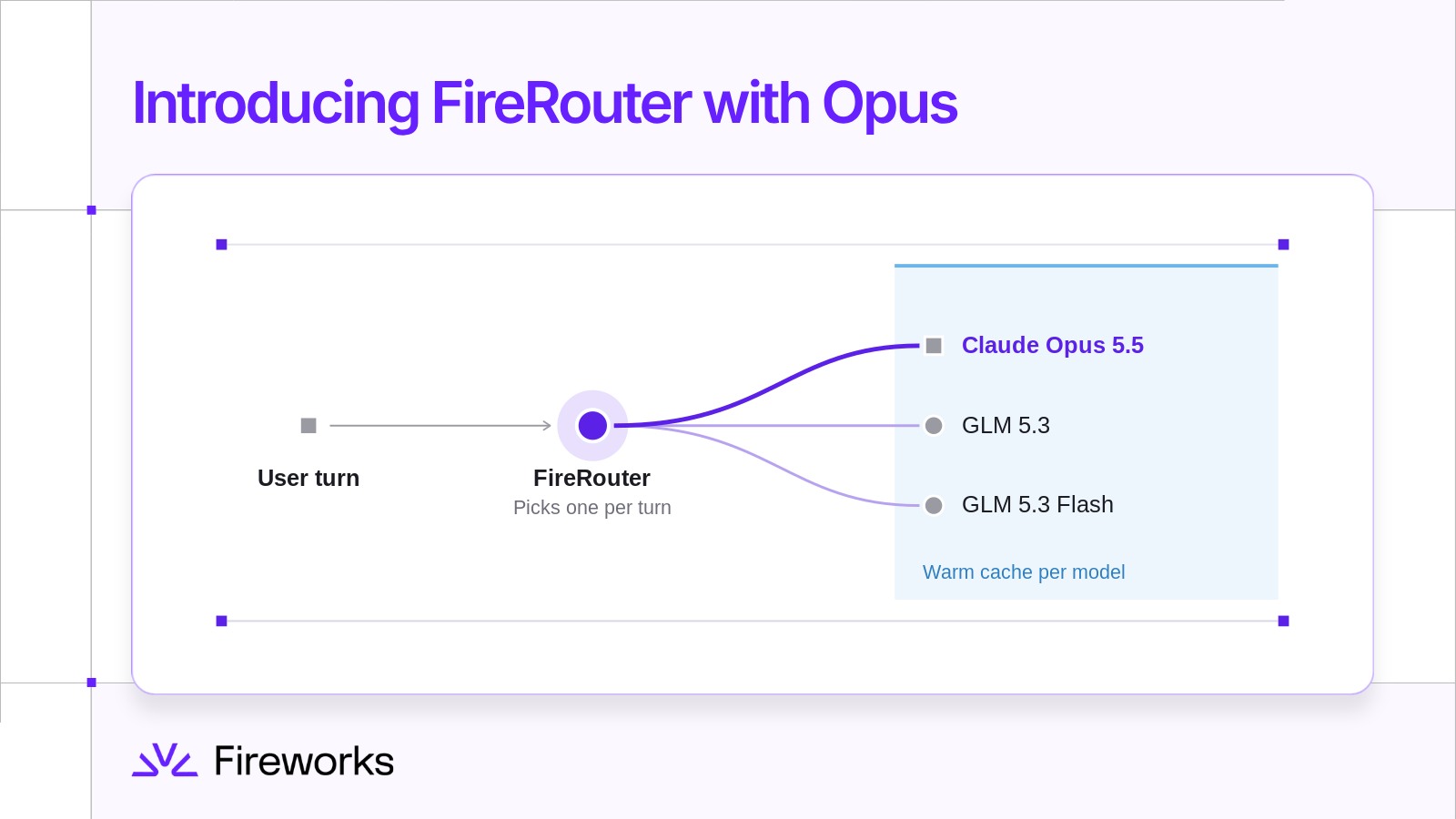
Fireworks’ new router weighs the price of switching models against the cached work a session would lose. Its internal test shows substantial savings with a modest accuracy trade-off.
 Hover to animateInference
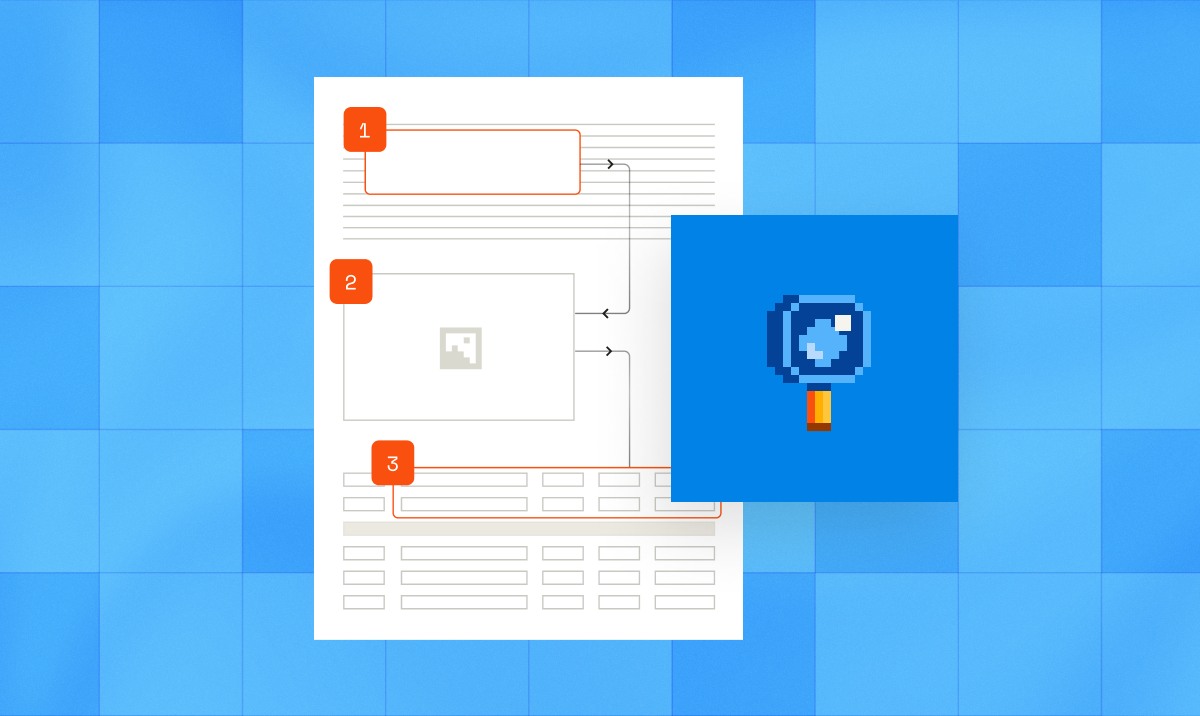
Agentic Search gives models tools to inspect documents after finding them. Company tests suggest those extra capabilities can replace costly repeated searches.
 Hover to animateInference
A small model proposes several tokens at once; the main model checks them. Better accepted guesses can reduce expensive model passes without handing the final answer to the smaller model.
 Hover to animateInference
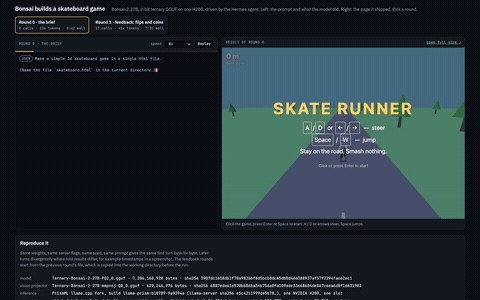
Bonsai 2’s reported 5.9 GB footprint raises a deployment question: can the compressed model meet your task standard locally, after context memory and fallback costs are included?
Explore the other topics in this desk.
Explore the research library for paper-based analysis.