

 Models
Haiku 5.5: Cheaper AI can lose the evidence your strongest model needs
Anthropic brings adjustable reasoning to its small-model tier. The savings depend on what survives the handoff to a larger model, not just the price of the first answer.
The latest developments in how AI is built.
 Models
Anthropic brings adjustable reasoning to its small-model tier. The savings depend on what survives the handoff to a larger model, not just the price of the first answer.
 Models
The multimodal preview highlights a costly blind spot in document AI: a plausible answer may come from the wrong chart, label or footnote. Test what the model saw before scoring what it concluded.
 Models
Reflection trains its model to avoid unnecessary reasoning tokens. The business test is whether it removes wasted work without increasing failed attempts or human correction.
 Models
Google’s compact model searches across text, images, video and audio in a shared representation. Its useful advantage may be a simpler retrieval pipeline, provided it finds the records that actually matter.
 Models
DeepSeek separates the work of reading from answering and reports a smaller context cache. For long-running systems, the opportunity is to retain useful evidence at a lower cost—not simply generate tokens faster.
 Models
OpenAI positions Sol near its pricier Astra on selected evaluations. The practical opportunity is moving routine work to a cheaper model while identifying the exceptions that still need more capability.
 Models
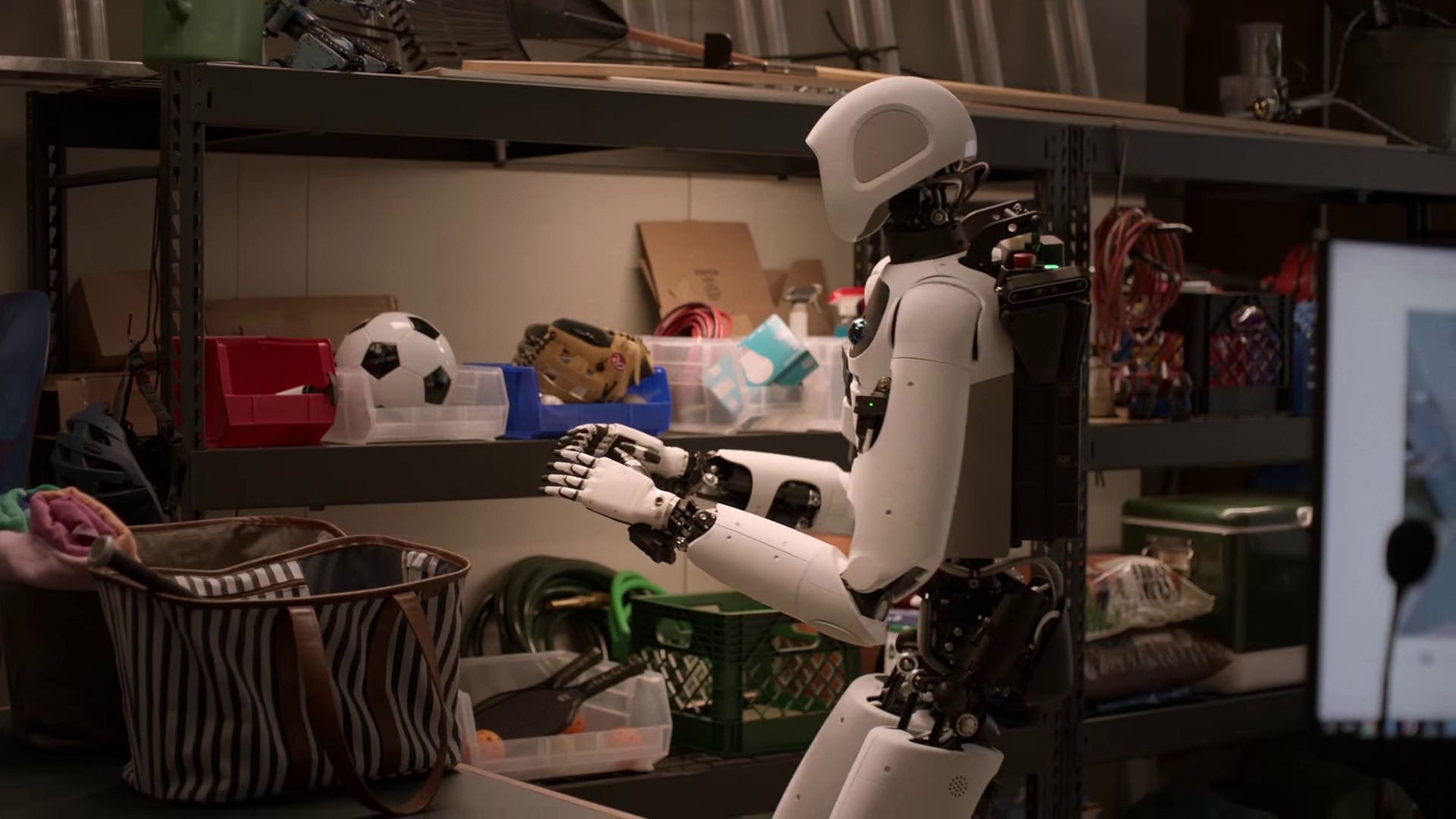
Google DeepMind’s transfer claims point to a potentially scalable model business: reuse learned skills across different bodies. The test is total adaptation effort, including data collection and validation.
 Models
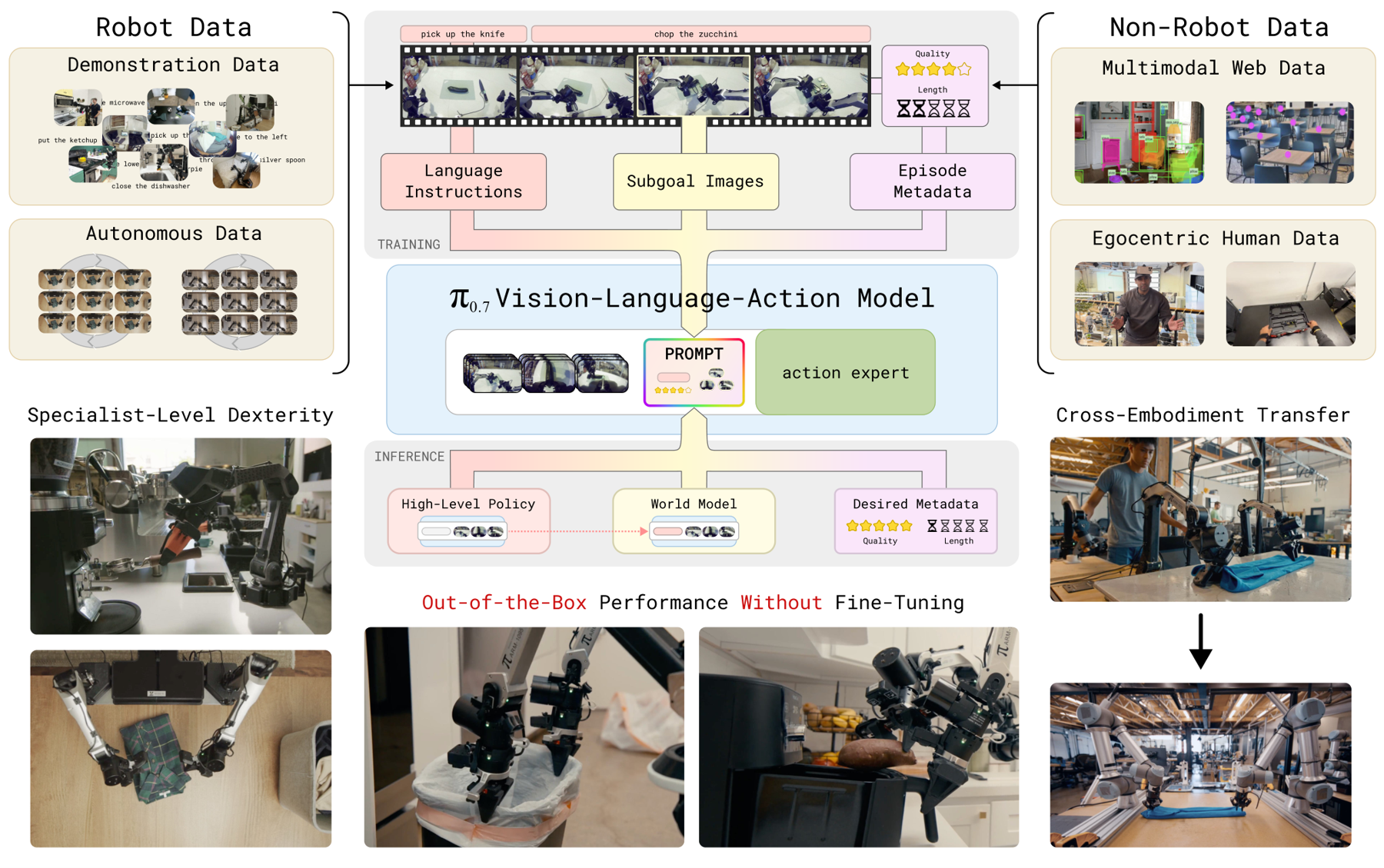
The steerable model explores whether richer instructions can reuse skills already learned. The business opportunity is fewer new demonstrations; the unresolved cost is the human guidance needed to make it work.
 Data
DataHuman demonstrations could reduce the experience robots must collect themselves. Buyers need proof that the data transfers to their robot, task and environment.
 Data
DataPegasus 1.6 targets first-person footage used in physical-AI datasets. Faster annotation helps only if important actions and failures survive human review.
 Data
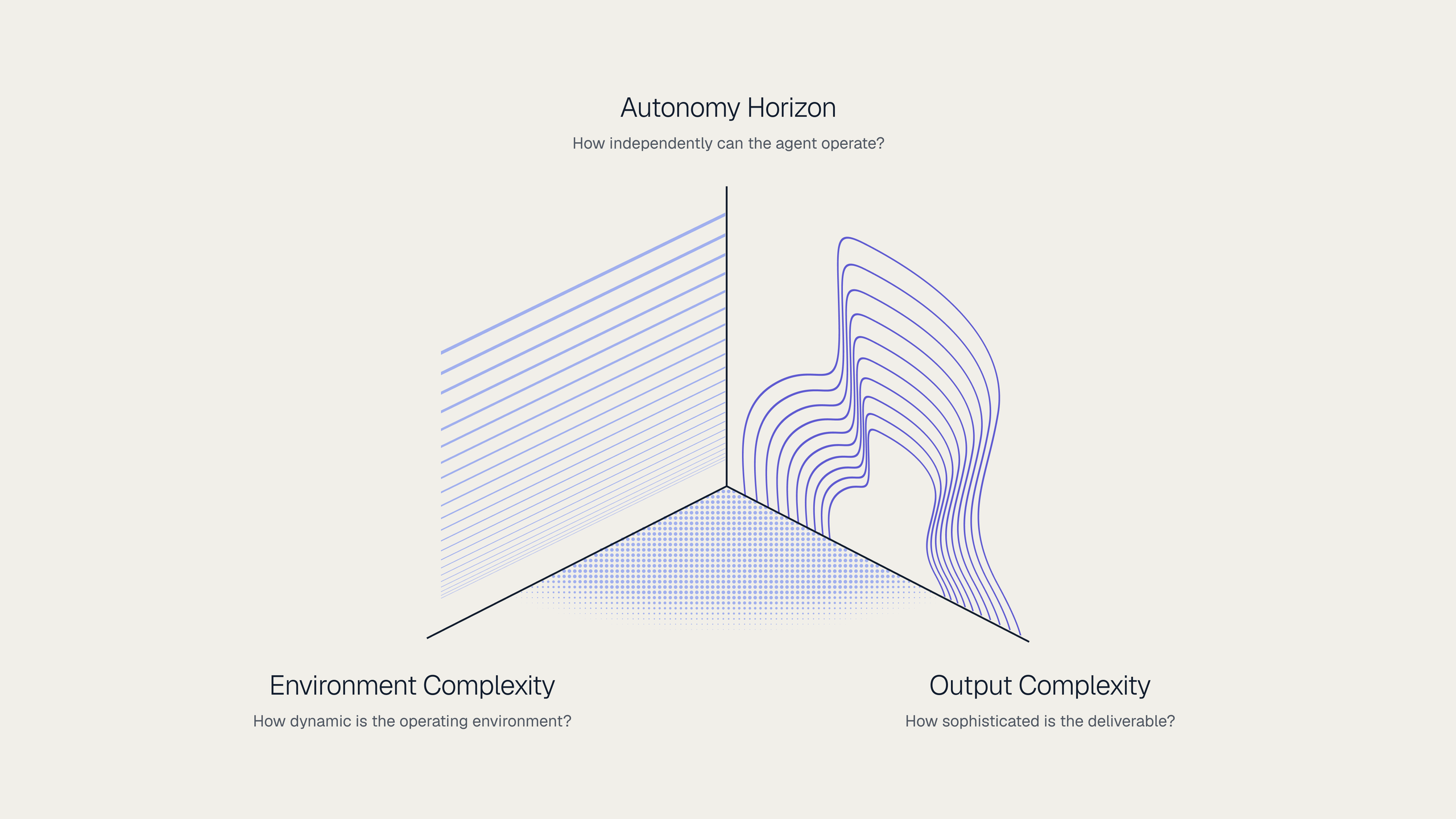
DataTraining environments turn expert judgment into repeated lessons. Weak success checks can teach an agent to produce the right result through the wrong process.
 Data
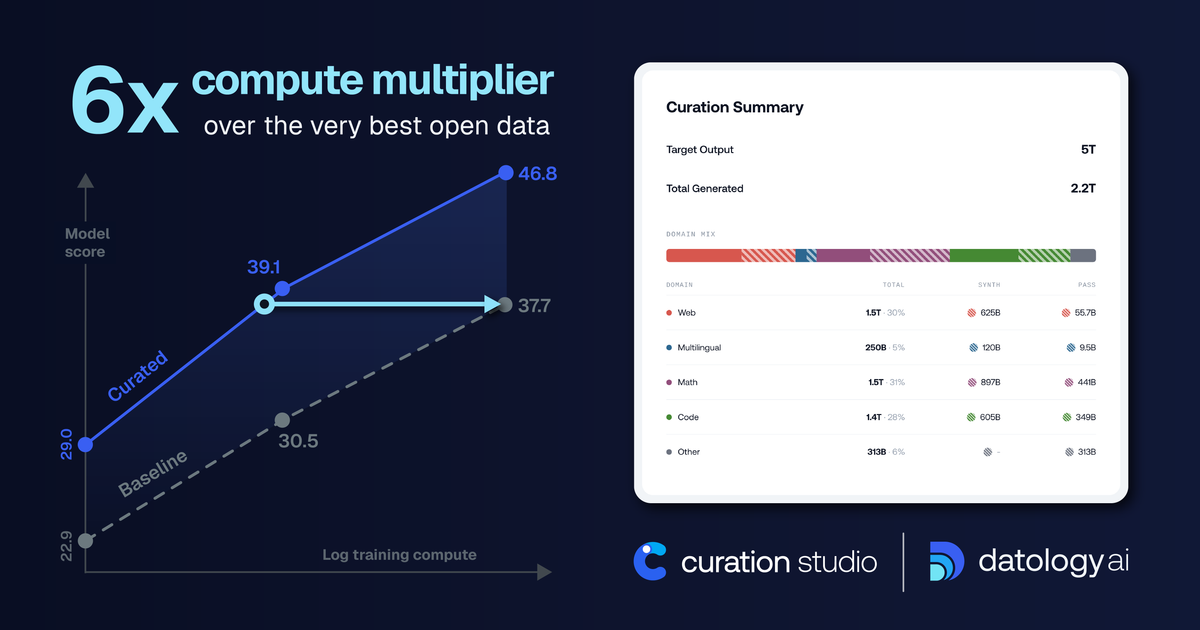
DataCuration Studio makes dataset selection a model-budget decision. The company’s reported compute saving is specific to its experiments; customers need a full-cost comparison.
 Data
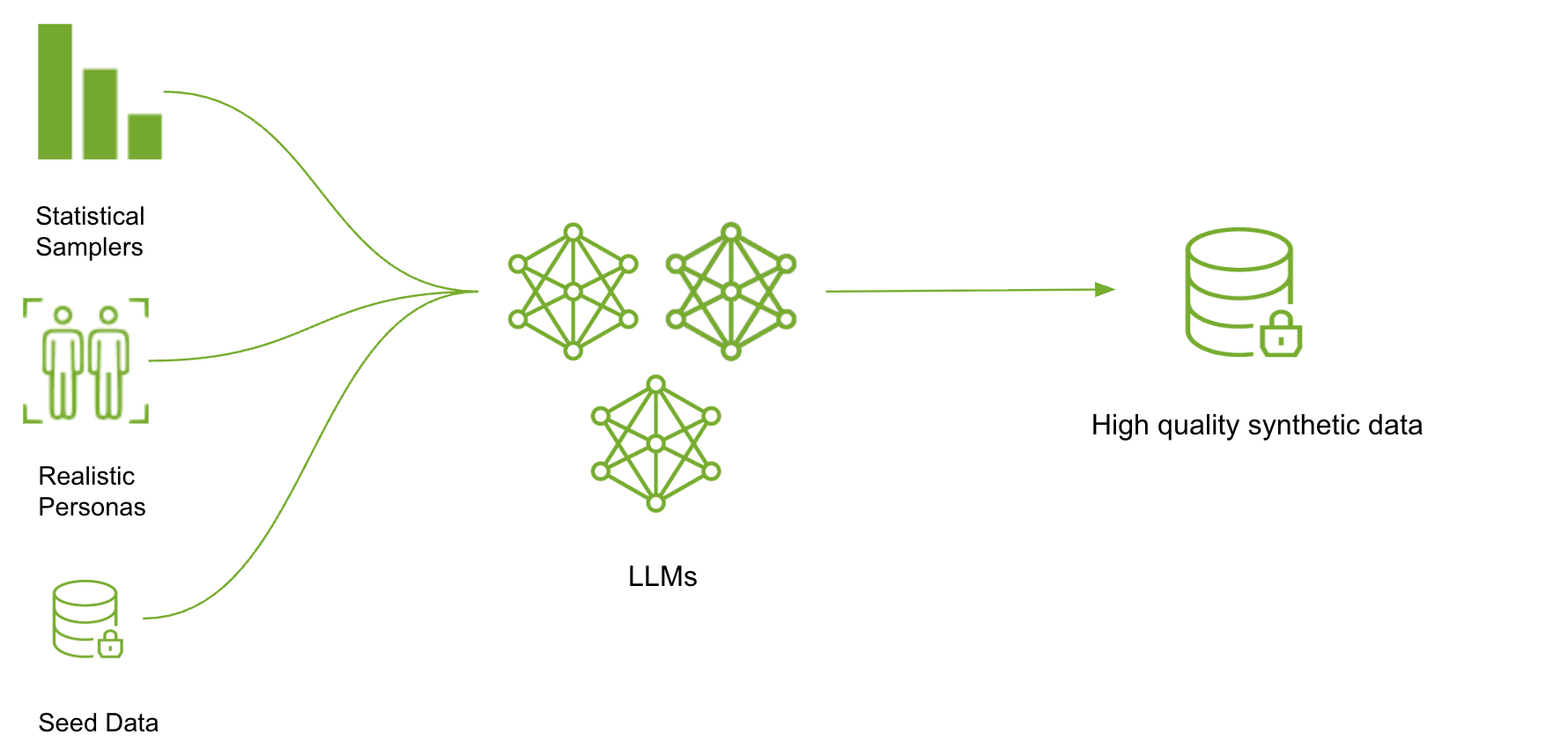
DataNeMo Data Designer makes fields, dependencies and checks explicit. The useful asset is a reproducible training-data recipe, not the number of generated rows.
 Training
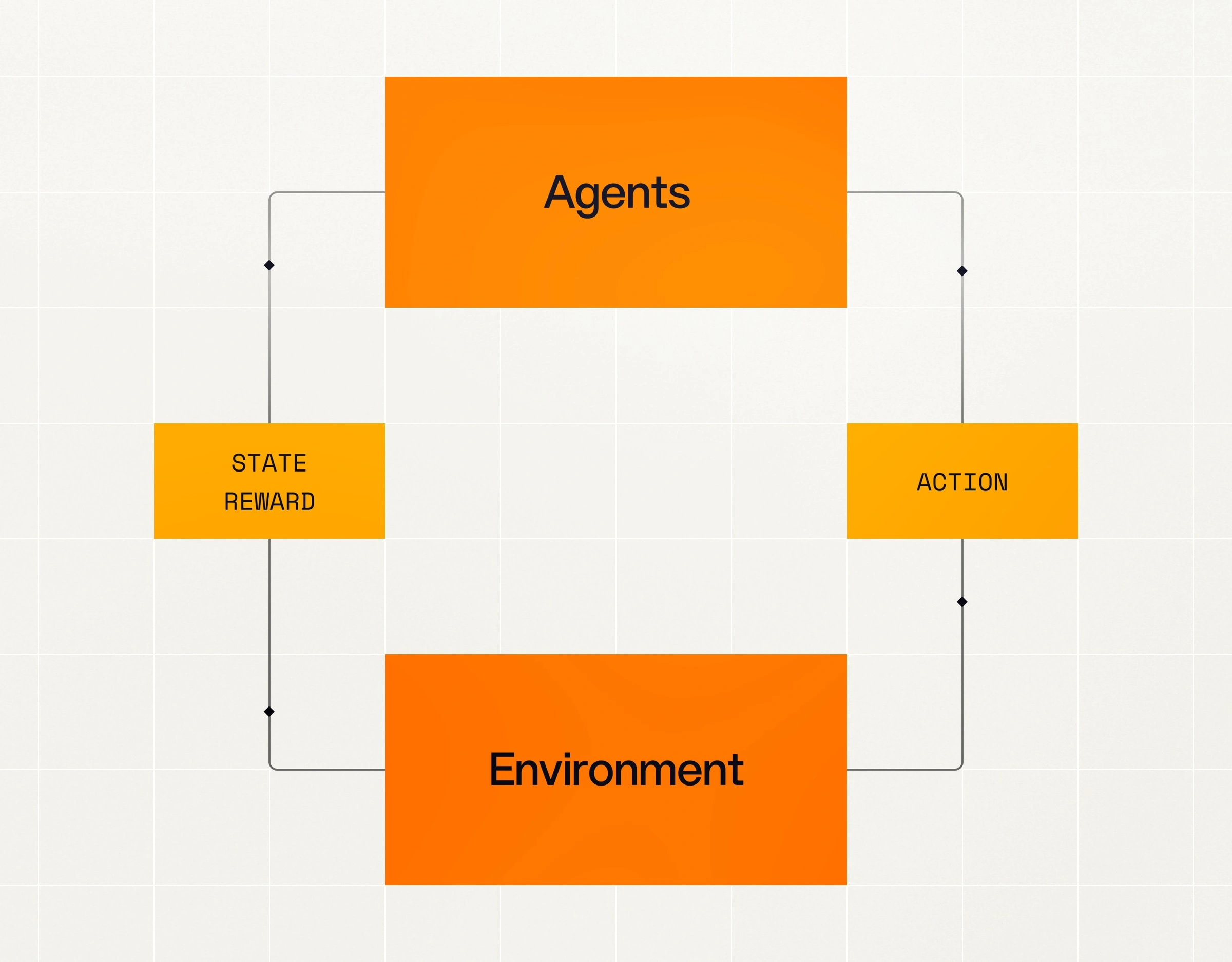
Large 4’s reinforcement-learning account highlights the work of keeping tasks useful as the learner improves. More generated attempts can otherwise repeat mastered skills or stale experience.
 Training
Nemotron 3 Ultra uses four-bit training with higher-precision exceptions. The opportunity is more useful research per budget, provided stability and downstream quality survive.
 Training
Expensive GPUs can still spend time waiting on slower operations. Research from Together AI and five other organizations shows how better scheduling can turn more of that hardware into useful work.
 Training
ReViSQL targets SQL queries that return the expected answer for the wrong reason. Its lesson for specialist models is to improve the definition of success, not simply expand the dataset.
 Inference
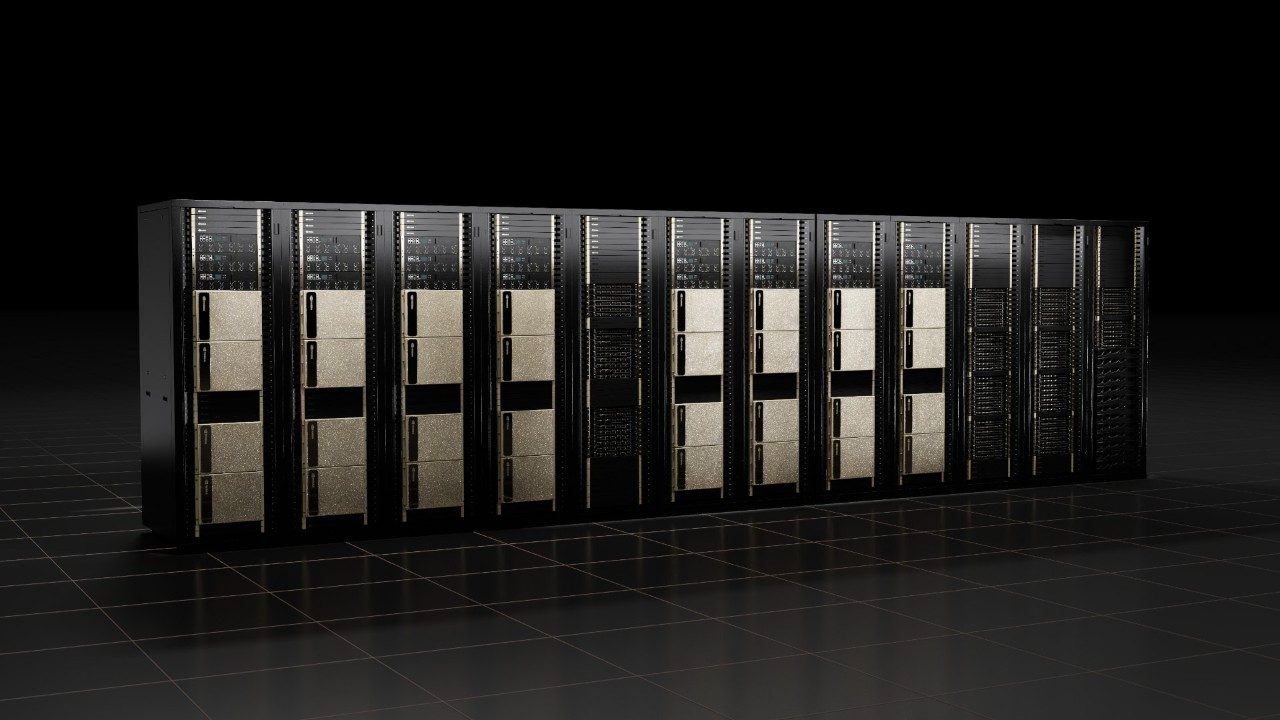
Separating long-prompt processing from answer generation can prevent one request from slowing everyone else. The trade is extra transfer time and a more complex service.
 Inference
SGLang, Qwen and NVIDIA compress the memory used by long conversations. The useful saving depends on which answers change and how much repair they need.
 Inference
A small model proposes several tokens at once; the main model checks them. Better accepted guesses can reduce expensive model passes without handing the final answer to the smaller model.
 Inference
Bonsai 2’s reported 5.9 GB footprint raises a deployment question: can the compressed model meet your task standard locally, after context memory and fallback costs are included?
 Evaluations
Their contracting-workflow test shows why a better average score is not the same as a workflow a company can switch on. Mandatory rules need their own acceptance test.
 Evaluations
GDP.xlsx tests whether models find the evidence across a workbook before calculating. A missing sheet can matter more than another improvement in arithmetic.
 Evaluations
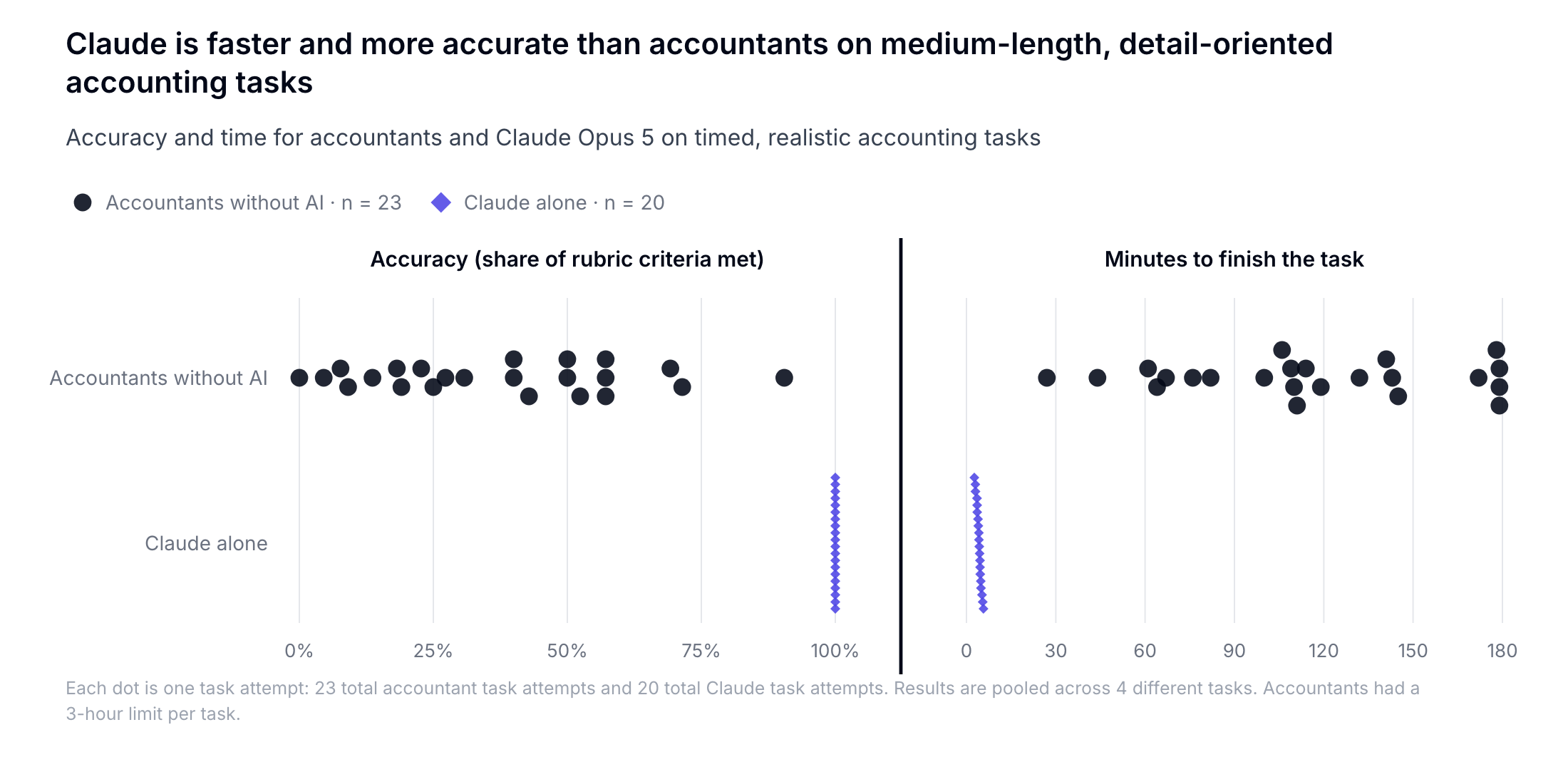
Its bounded comparison favors AI on structured tasks. The next question is whether that advantage survives ordinary workplace context, review and exceptions.
 Evaluations
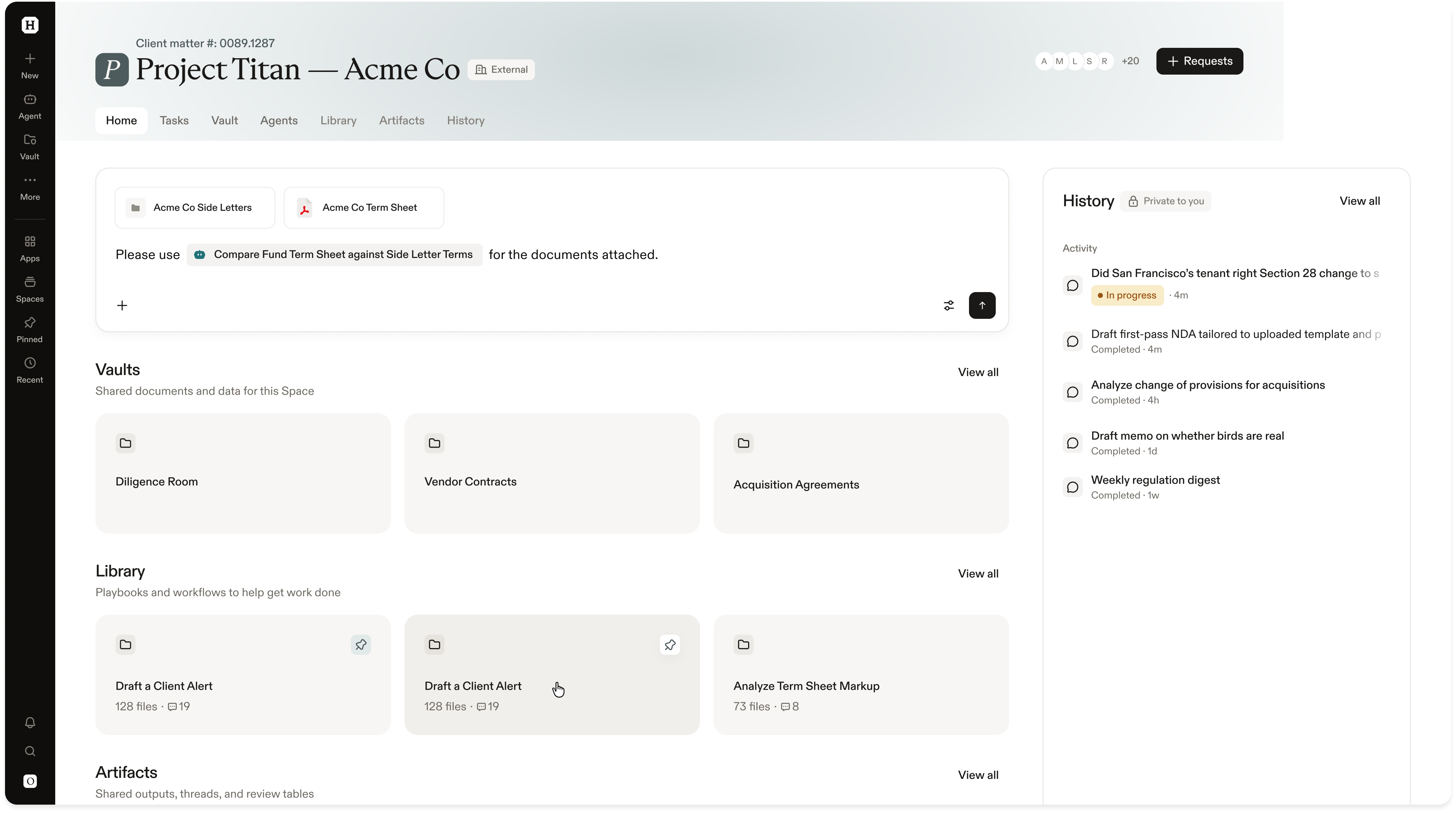
Artificial Analysis and Harvey now gate headline credit on grounded answers. That separates two problems model teams must solve: missing requirements and unsupported claims.
 Evaluations
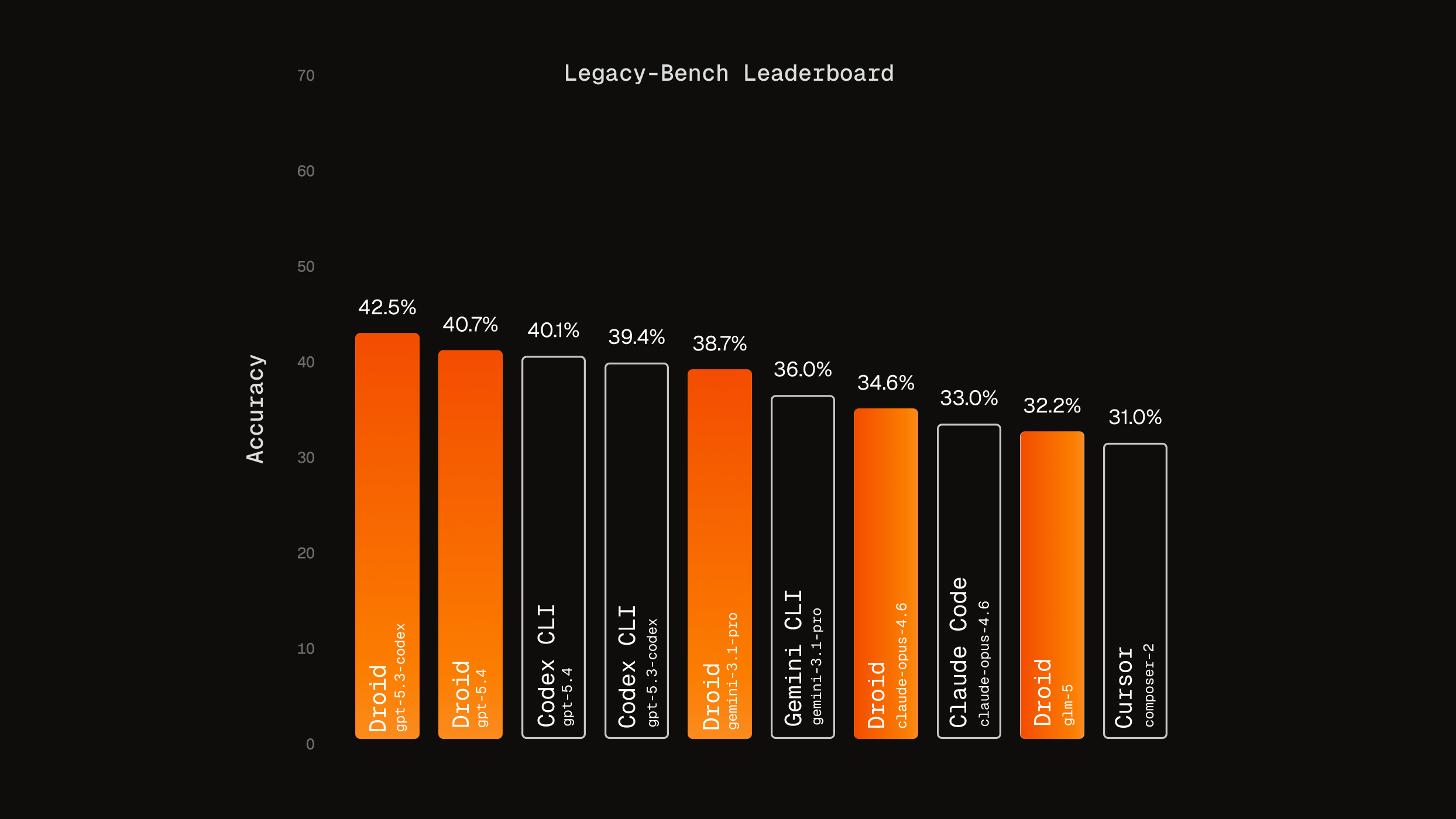
Legacy-Bench exposes a gap between an agent saying it is done and a repair passing independent checks. Preserved outputs and edge cases can matter as much as a stronger coding model.