

 Training
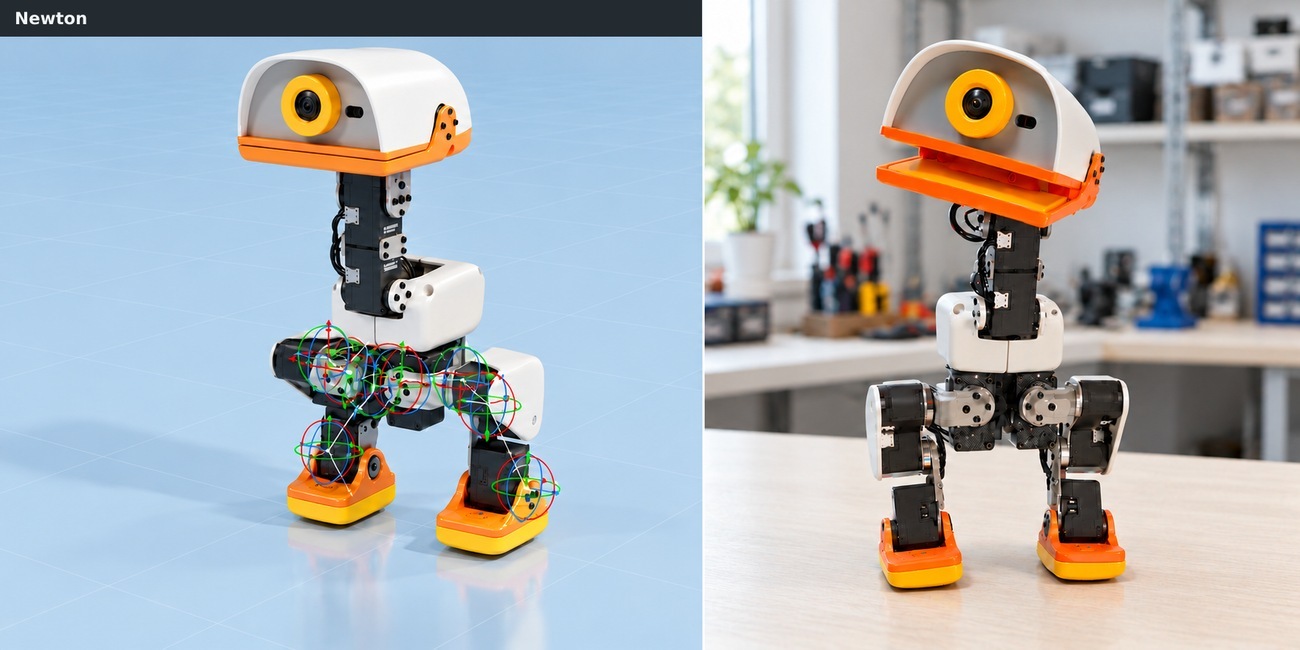
Microduck’s training recipe makes mechanical play part of the simulation
NVIDIA’s Isaac Lab tutorial connects randomized actuator behavior to an exported walking policy; the real robot still has to match the training interface.
Official website: NVIDIA
Model-building research and analysis covering NVIDIA.
TrainingNVIDIA’s Isaac Lab tutorial connects randomized actuator behavior to an exported walking policy; the real robot still has to match the training interface.
 Data
NVIDIA’s multilingual release exposes transcript variants and quality metadata instead of treating a transcript as one unquestioned label.
 Data
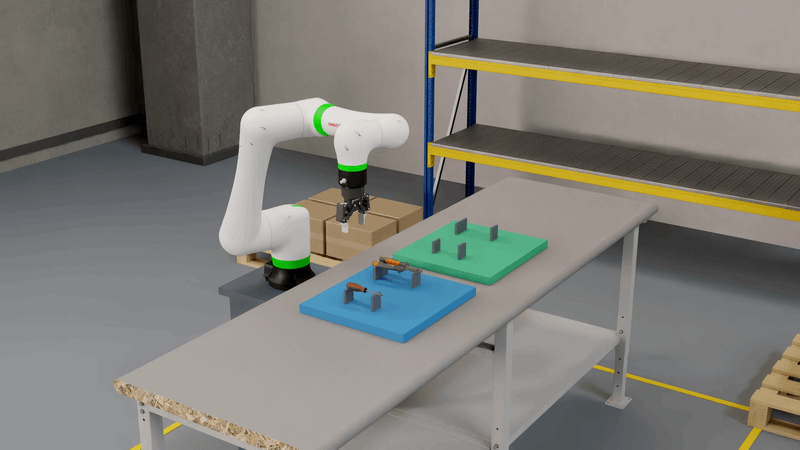
The library supplies reusable assets and declared profiles; a compatible file still needs validation against the intended experiment.
 Data
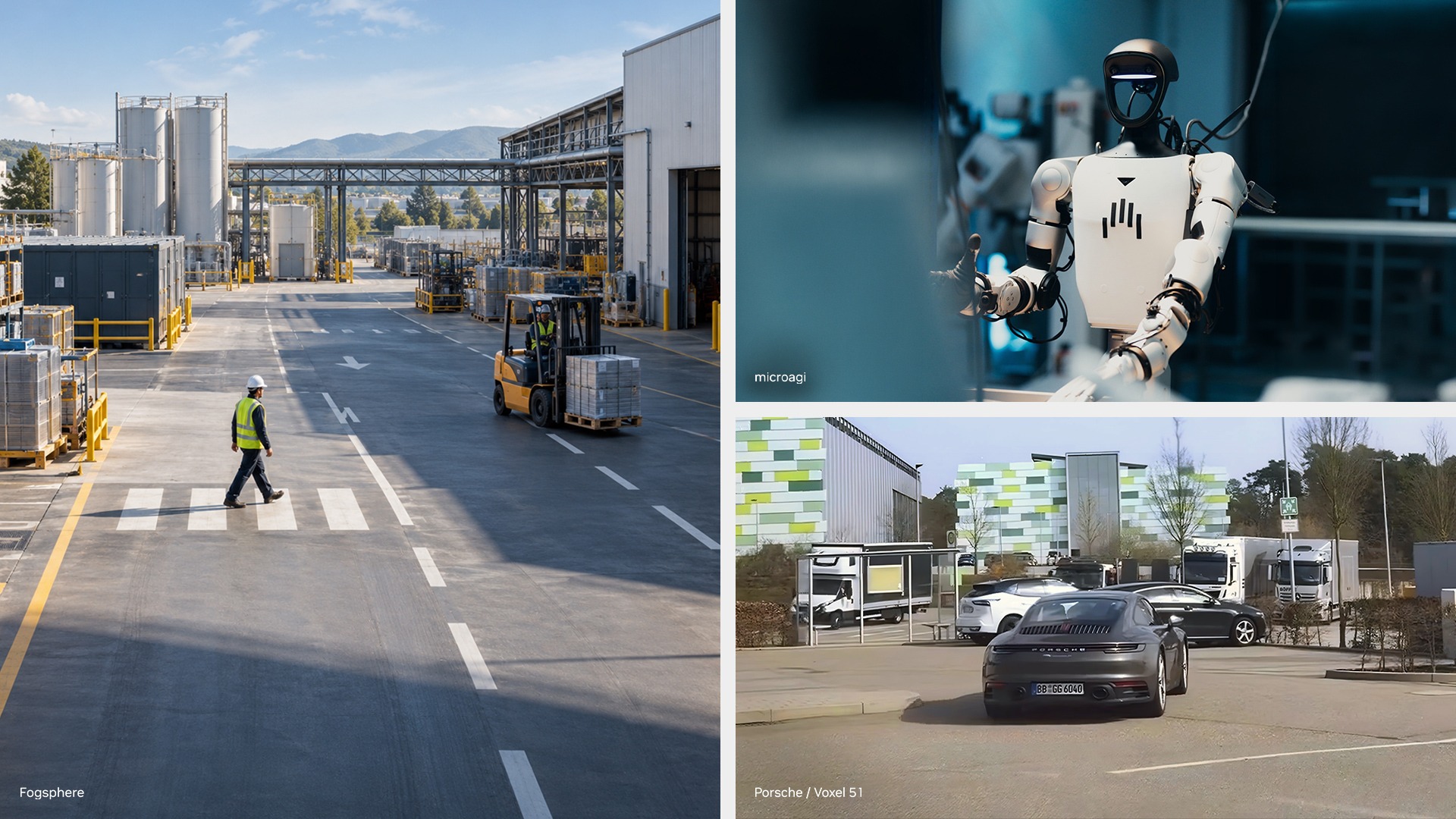
NVIDIA adds curation and generation blueprints; generated examples still need a measured connection to real-world performance.
 Hover to animateData
NVIDIA and AI4Bharat announced a roughly 2.8-trillion-token Indic corpus and open generation pipeline; the corpus is described as releasing soon.
 Training
Nemotron 3.5 Super combines staged training and teacher consolidation; a reported long-context recovery illustrates why improving one skill can weaken another.
 Inference
Together AI's October update describes an IBM Cloud-NVIDIA collaboration; IBM's original agreement sets a Q1 2027 availability expectation, so capacity plans must remain distinct from a generally available service.
 Evaluations
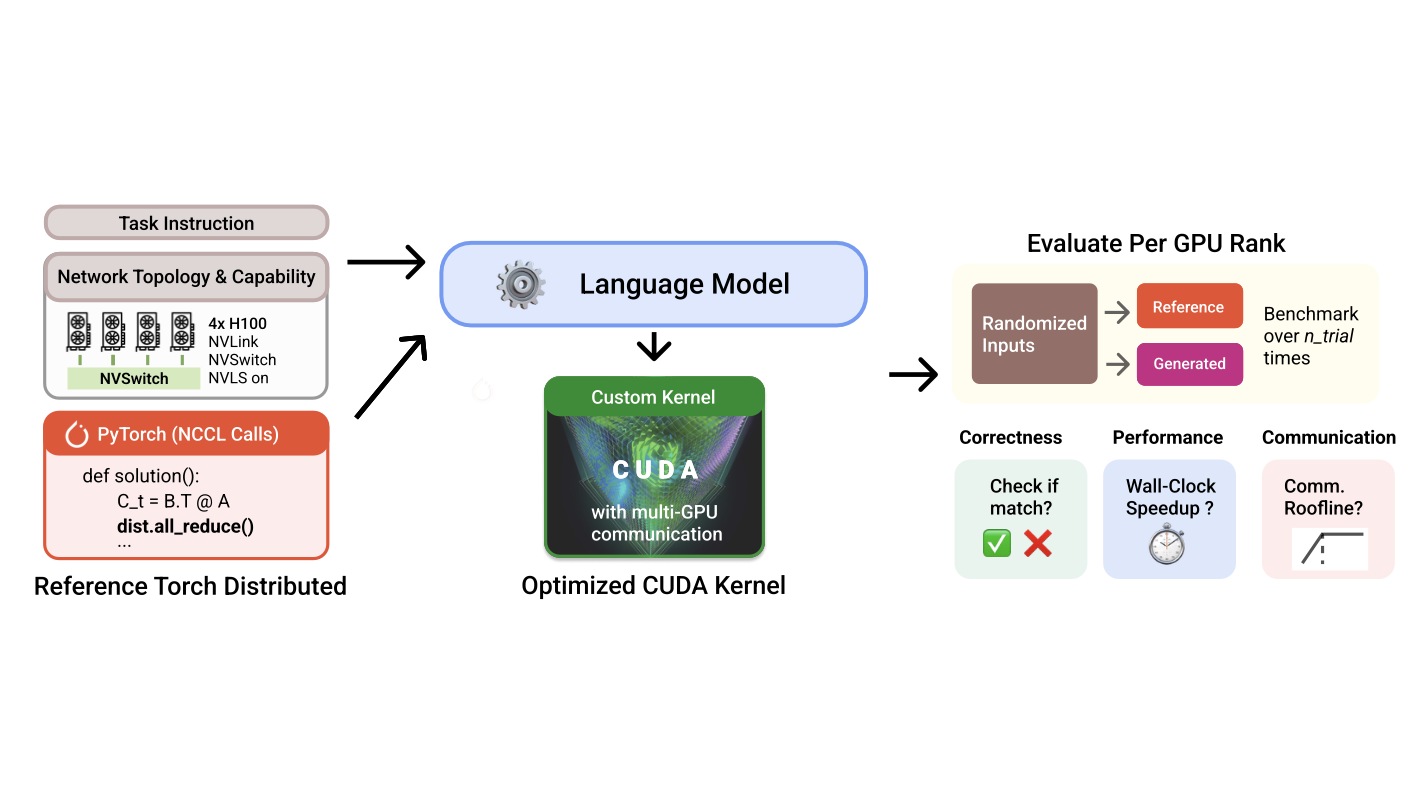
The June benchmark separates kernels that run correctly from kernels that also beat a reference implementation, exposing the communication work that single-device tests miss.
 Inference
A March research release separates cold prompts from cache-backed requests; its reported throughput gains apply to a specified mixed workload, not every inference service.
 Hover to animateEvaluations
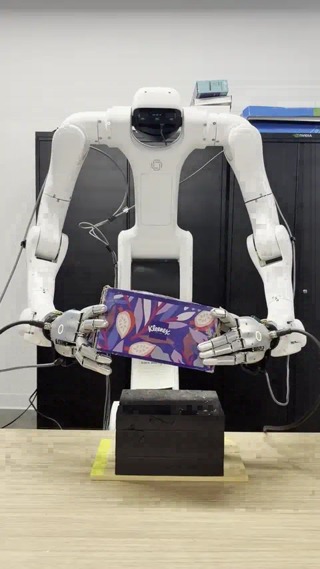
The released workflow reaches GR00T N1.7 training. A small real-robot test shows why simulated practice and real adaptation need to be examined separately.
 Hover to animateInference
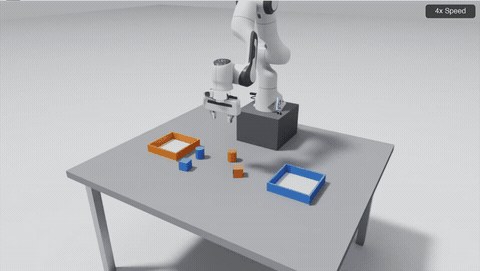
Liquid AI’s d1 measurements suggest several decisions can share the cost of reading a scene. The saving depends on how quickly that scene changes.
 Hover to animateTraining
A small trusted-label refinement stage improved a recogniser already adapted on a much larger corpus. For robot voice interfaces, the order of the lessons matters.
 Hover to animateModels
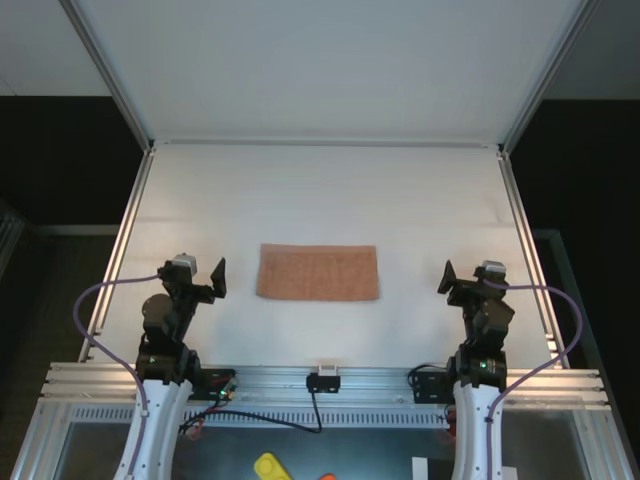
Action flow connects human hands and robot arms through image motion. Its promising policy metric measures replay, leaving closed-loop prediction as a separate test.
 Hover to animateData
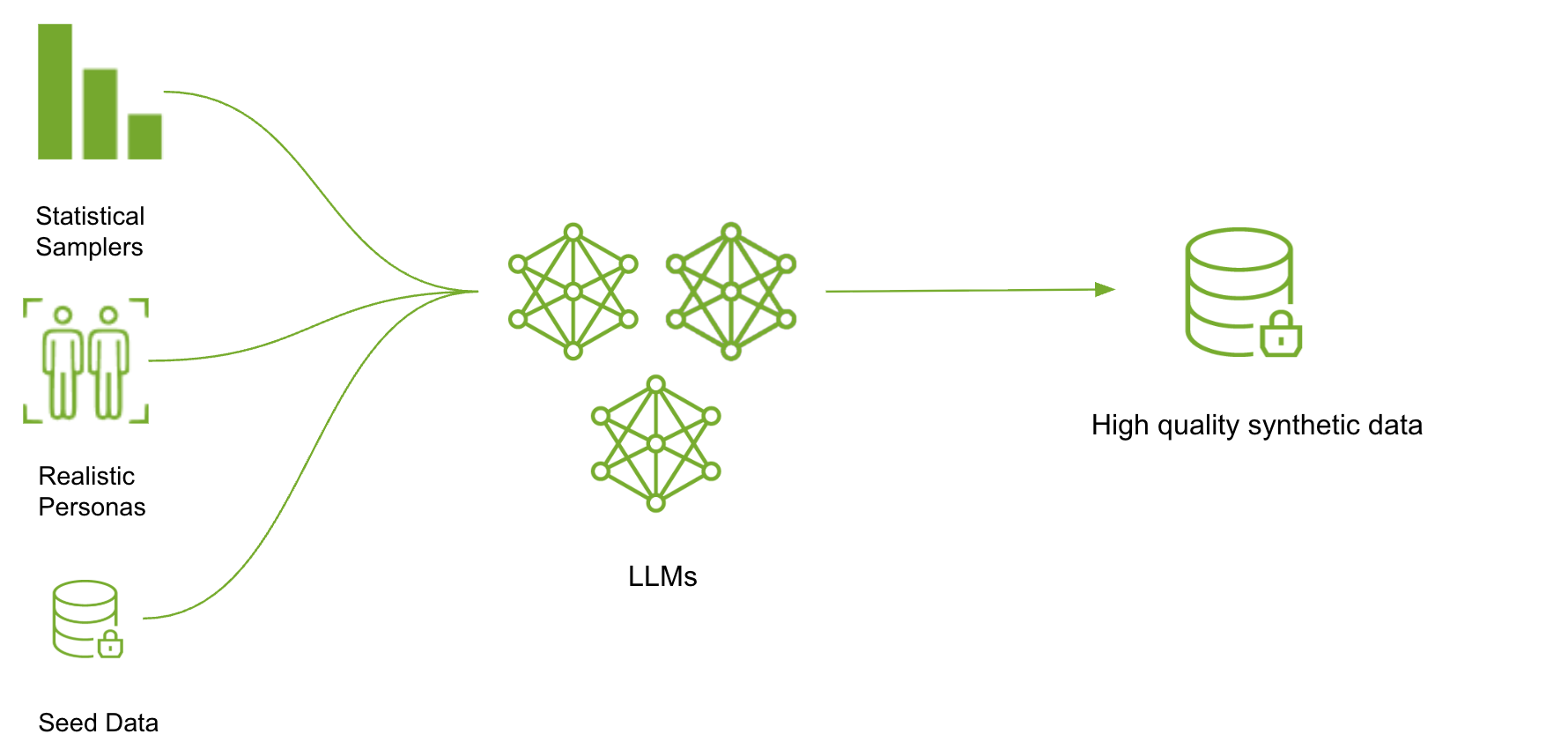
NeMo Data Designer makes fields, dependencies and checks explicit. The useful asset is a reproducible training-data recipe, not the number of generated rows.
 Hover to animateTraining
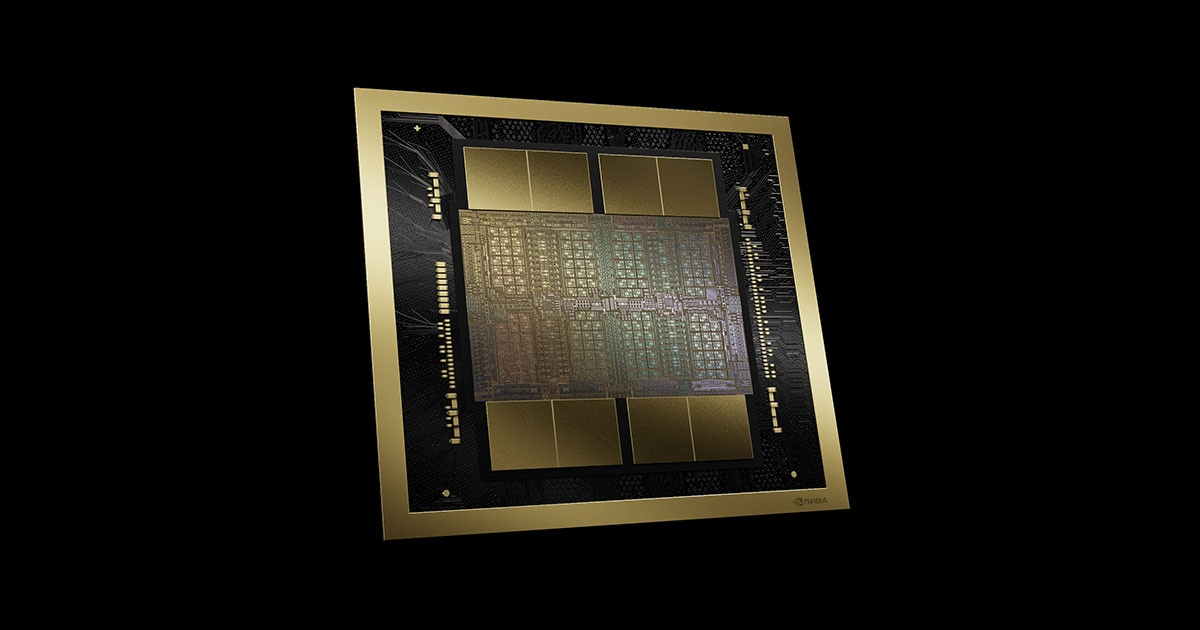
Nemotron 3 Ultra uses four-bit training with higher-precision exceptions. The opportunity is more useful research per budget, provided stability and downstream quality survive.
 Hover to animateTraining
Expensive GPUs can still spend time waiting on slower operations. Research from Together AI and five other organizations shows how better scheduling can turn more of that hardware into useful work.
 Hover to animateInference
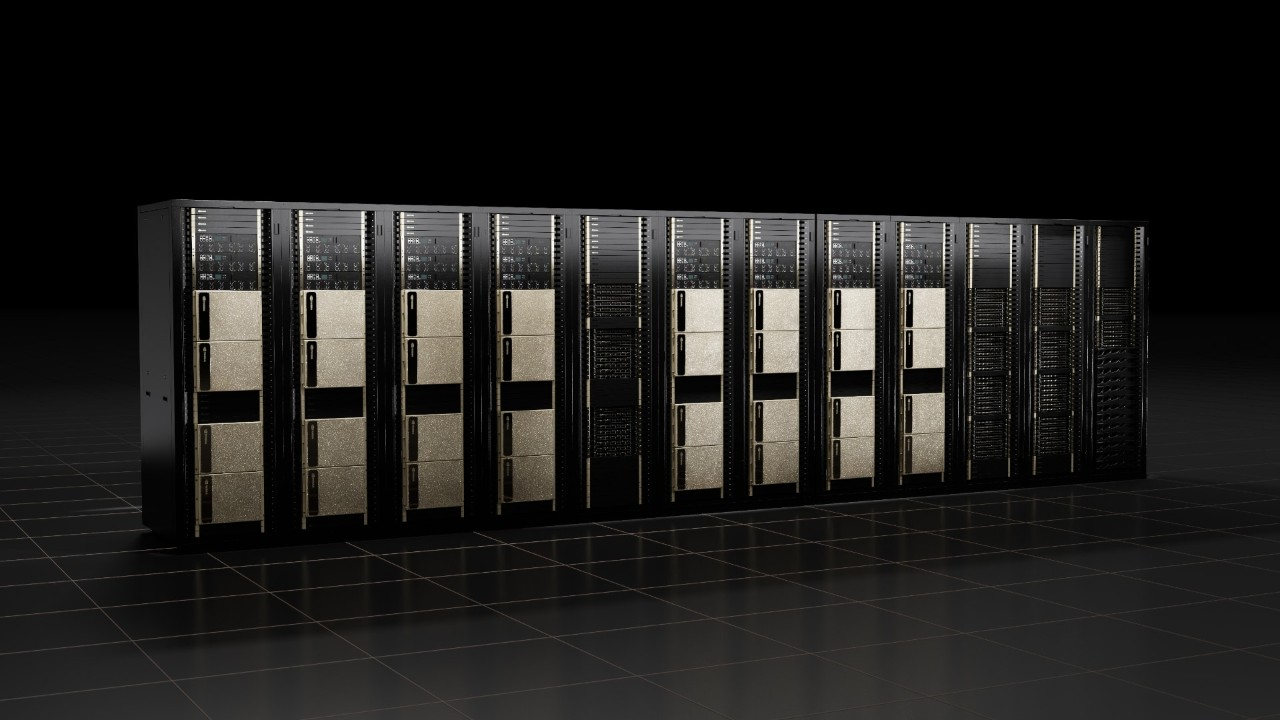
Separating long-prompt processing from answer generation can prevent one request from slowing everyone else. The trade is extra transfer time and a more complex service.
 Hover to animateInference
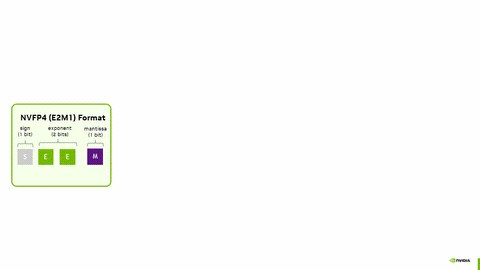
SGLang, Qwen and NVIDIA compress the memory used by long conversations. The useful saving depends on which answers change and how much repair they need.