

 Training
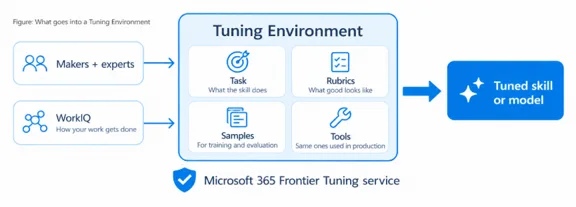
Microsoft's Frontier Tuning puts the evaluation standard in customers' hands
An expanded private preview makes enterprise tuning more accessible. The useful test is improvement on unfamiliar work, including the cost of human review.
Watch the demonstrations, lectures and product videos behind our reporting.
27 articles
TrainingAn expanded private preview makes enterprise tuning more accessible. The useful test is improvement on unfamiliar work, including the cost of human review.
 Training
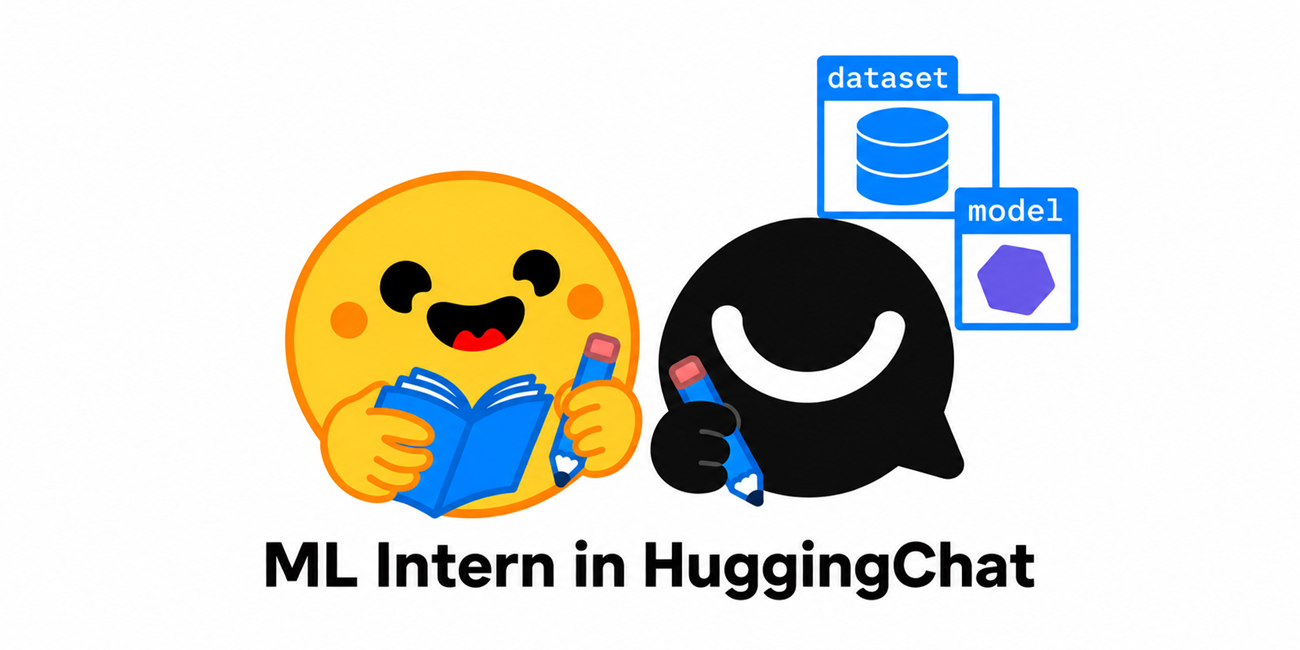
ML Intern plans, runs and documents small adaptation jobs; its example costs describe compute charges, not the full cost of building reliable models.
 Hover to animateModels
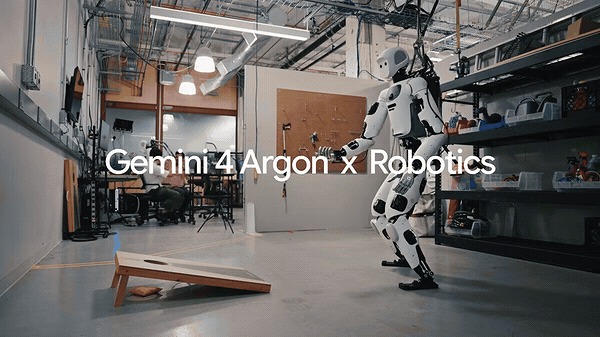
Google’s Gemini 4 Argon demonstration points to a new use for human footage: specifying a physical experiment that a robot can rehearse.
 Hover to animateEvaluations
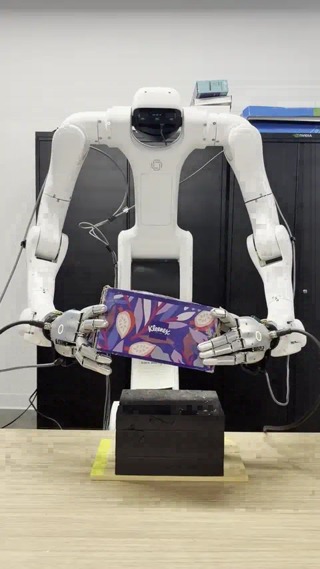
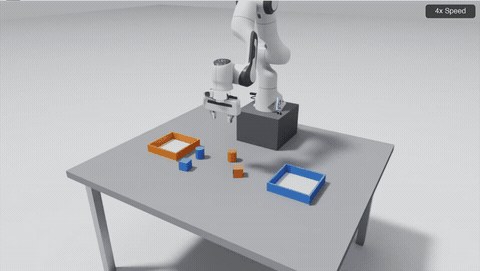
The released workflow reaches GR00T N1.7 training. A small real-robot test shows why simulated practice and real adaptation need to be examined separately.
 Hover to animateInference
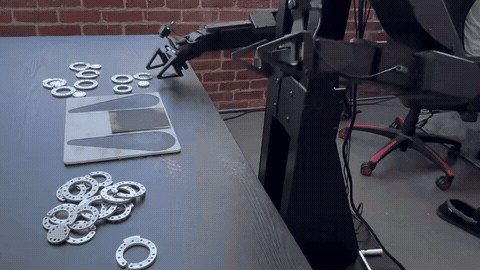
Liquid AI’s d1 measurements suggest several decisions can share the cost of reading a scene. The saving depends on how quickly that scene changes.
 Hover to animateModels
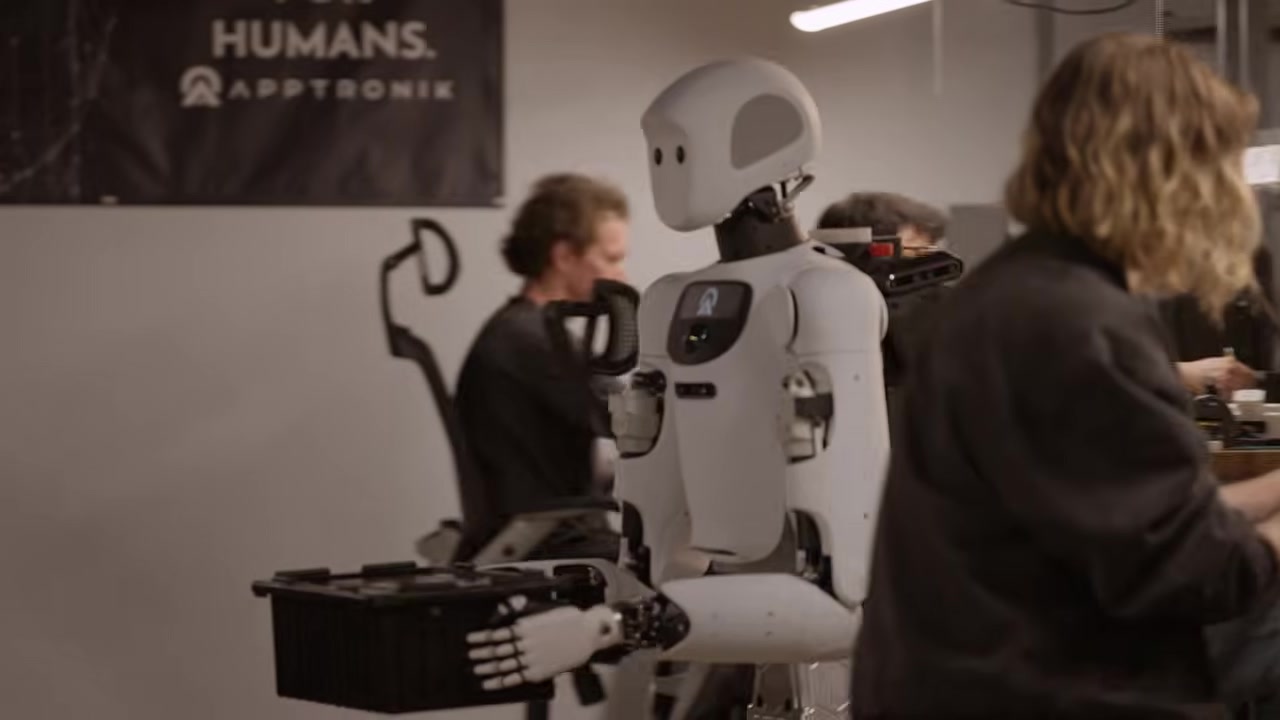
Physical Intelligence’s beta shifts attention from obtaining a model to knowing exactly what to teach it next.
 Hover to animateModels
The enterprise platform’s memory, skills and orchestration make the workflow a persistent asset—and a separate thing to govern.
 Hover to animateData
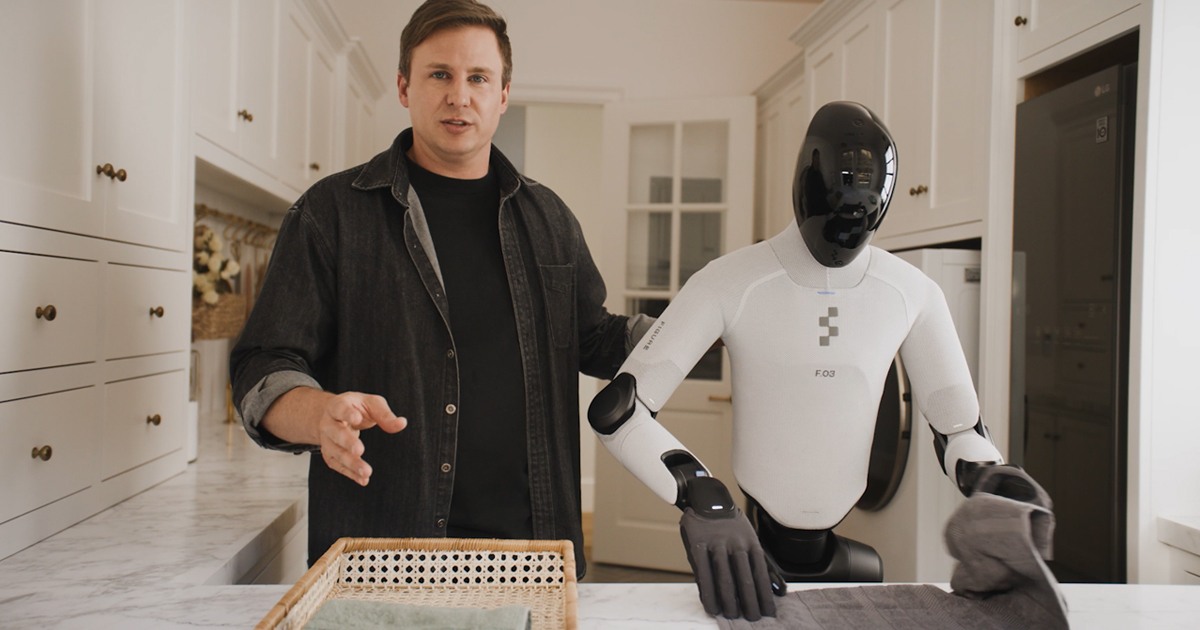
Apollo 2’s wheeled and walking configurations collect different physical experience for the Google DeepMind collaboration.
 Hover to animateModels
A controlled comparison points to human-experience pretraining—not a fresh robot lesson in every room.
 Hover to animateModels
Short demonstrations can act as context, while a separate adaptation route changes weights. Those are different deployment choices.
 Hover to animateTraining
The company’s September self-play result uses rival policies to make training harder without scripting every new manoeuvre.
 Hover to animateModels
Dyna-2.1 combines a mobile body, an action policy and a slower workflow model. Its useful memory records what happened in this room today.
 Hover to animateModels
The Direct Video-Action approach separates choosing a future from translating that future into motion. Its small robot-data bill is still not a claim of learning from nothing.
 Hover to animateModels
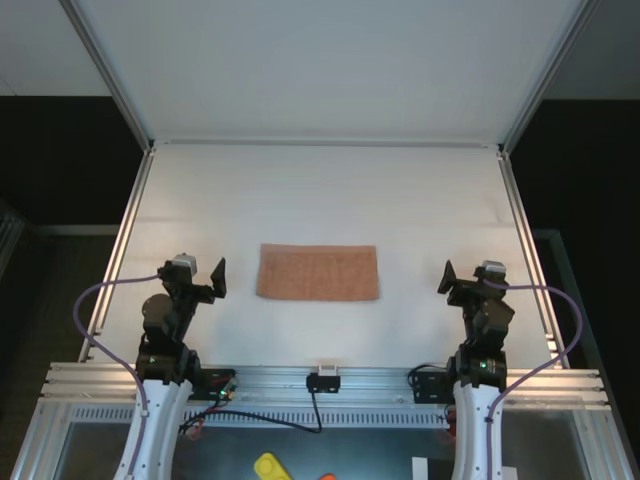
Action flow connects human hands and robot arms through image motion. Its promising policy metric measures replay, leaving closed-loop prediction as a separate test.
 Hover to animateModels
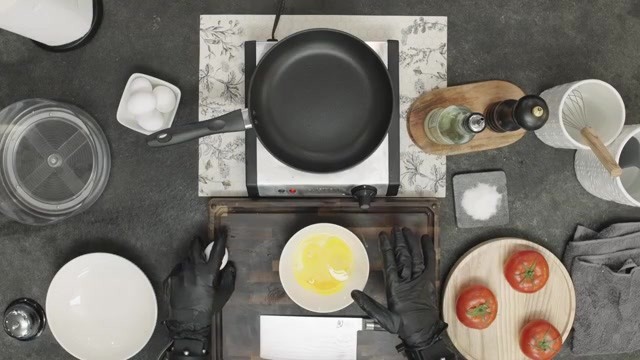
The company’s model, glove and manipulation platform address the translation between human demonstrations and robot actions together.
 Hover to animateModels
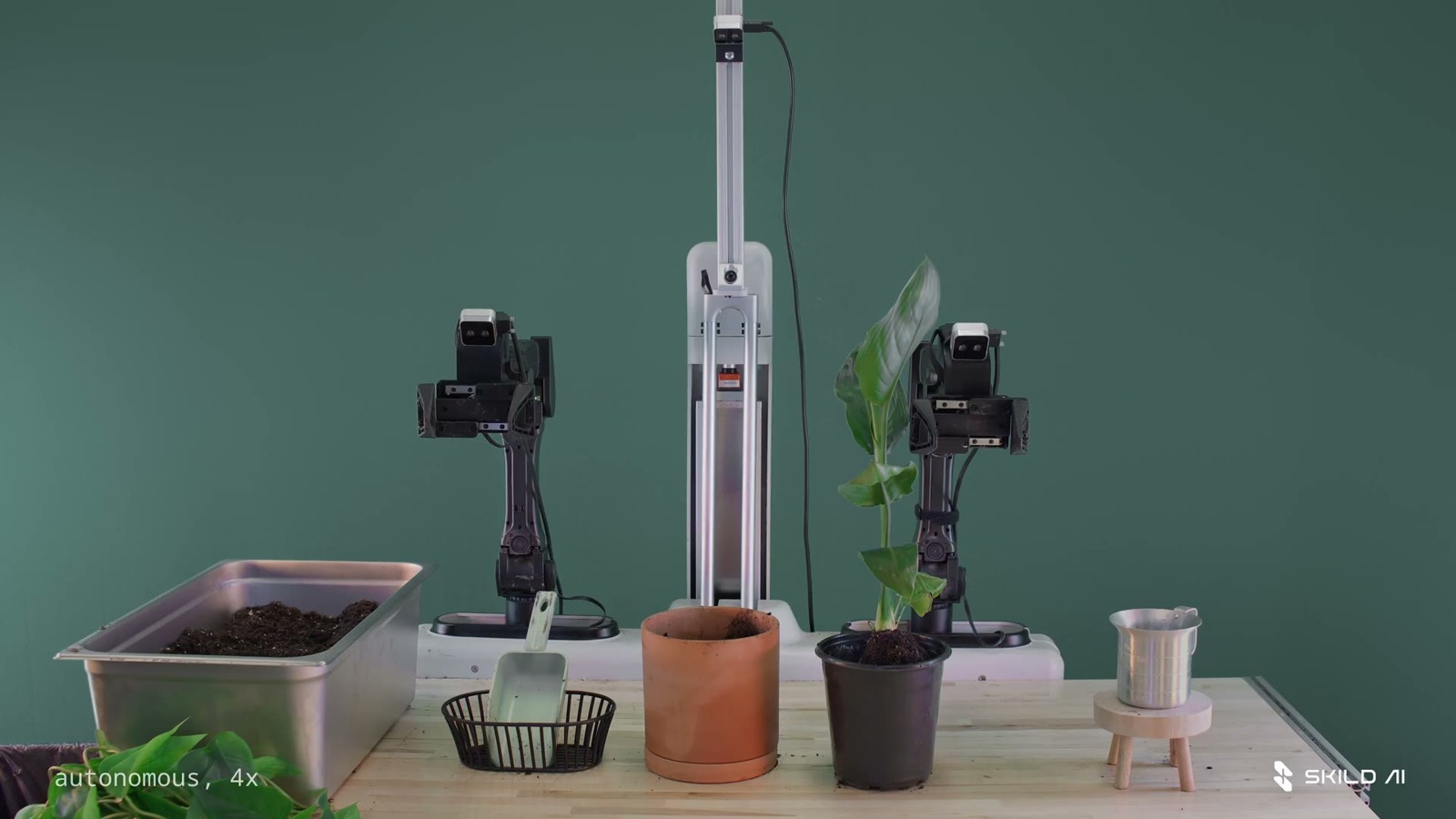
The model’s real advance is rapid task specification. Its widely quoted 66% result measures something narrower than autonomous job completion.
 Hover to animateModels
Interactive generated worlds could broaden agent training. Their own failures must be separated from the learner’s mistakes.
 Hover to animateModels
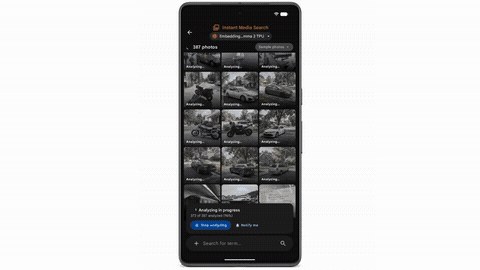
Google’s compact model searches across text, images, video and audio in a shared representation. Its useful advantage may be a simpler retrieval pipeline, provided it finds the records that actually matter.
 Hover to animateModels
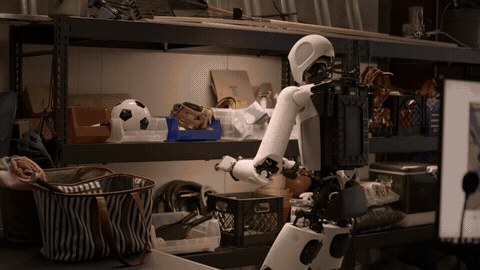
Google DeepMind’s transfer claims point to a potentially scalable model business: reuse learned skills across different bodies. The test is total adaptation effort, including data collection and validation.
 Hover to animateModels
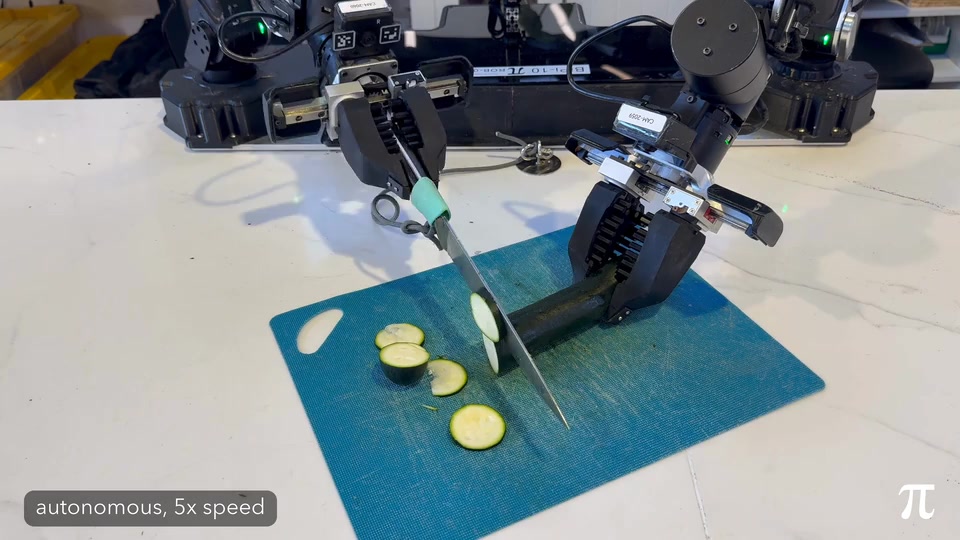
The steerable model explores whether richer instructions can reuse skills already learned. The business opportunity is fewer new demonstrations; the unresolved cost is the human guidance needed to make it work.
 Hover to animateData
Human demonstrations could reduce the experience robots must collect themselves. Buyers need proof that the data transfers to their robot, task and environment.
 Hover to animateData
Training environments turn expert judgment into repeated lessons. Weak success checks can teach an agent to produce the right result through the wrong process.
 Hover to animateData
Curation Studio makes dataset selection a model-budget decision. The company’s reported compute saving is specific to its experiments; customers need a full-cost comparison.
 Hover to animateTraining
Expensive GPUs can still spend time waiting on slower operations. Research from Together AI and five other organizations shows how better scheduling can turn more of that hardware into useful work.
 Hover to animateInference
A small model proposes several tokens at once; the main model checks them. Better accepted guesses can reduce expensive model passes without handing the final answer to the smaller model.
 Hover to animateInference
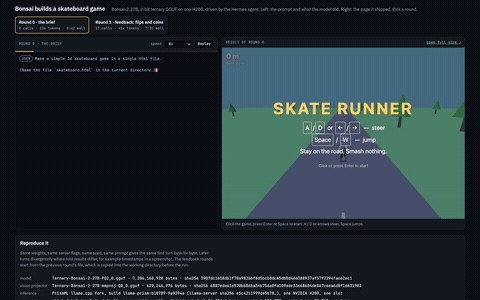
Bonsai 2’s reported 5.9 GB footprint raises a deployment question: can the compressed model meet your task standard locally, after context memory and fallback costs are included?
 Hover to animateEvaluations
Its bounded comparison favors AI on structured tasks. The next question is whether that advantage survives ordinary workplace context, review and exceptions.
Choose another subject to continue reading.