

 Data
OCRia-nano-1 makes parser escalation a data-quality decision
LlamaIndex’s lightweight local parser targets everyday documents. The useful saving depends on recognizing which pages need a more capable path.
The datasets, collection systems and curation methods that determine what a model can learn.
Datasets · Collection & data rigs · Synthetic data · Curation & labeling
30 articles
DataLlamaIndex’s lightweight local parser targets everyday documents. The useful saving depends on recognizing which pages need a more capable path.
 Data
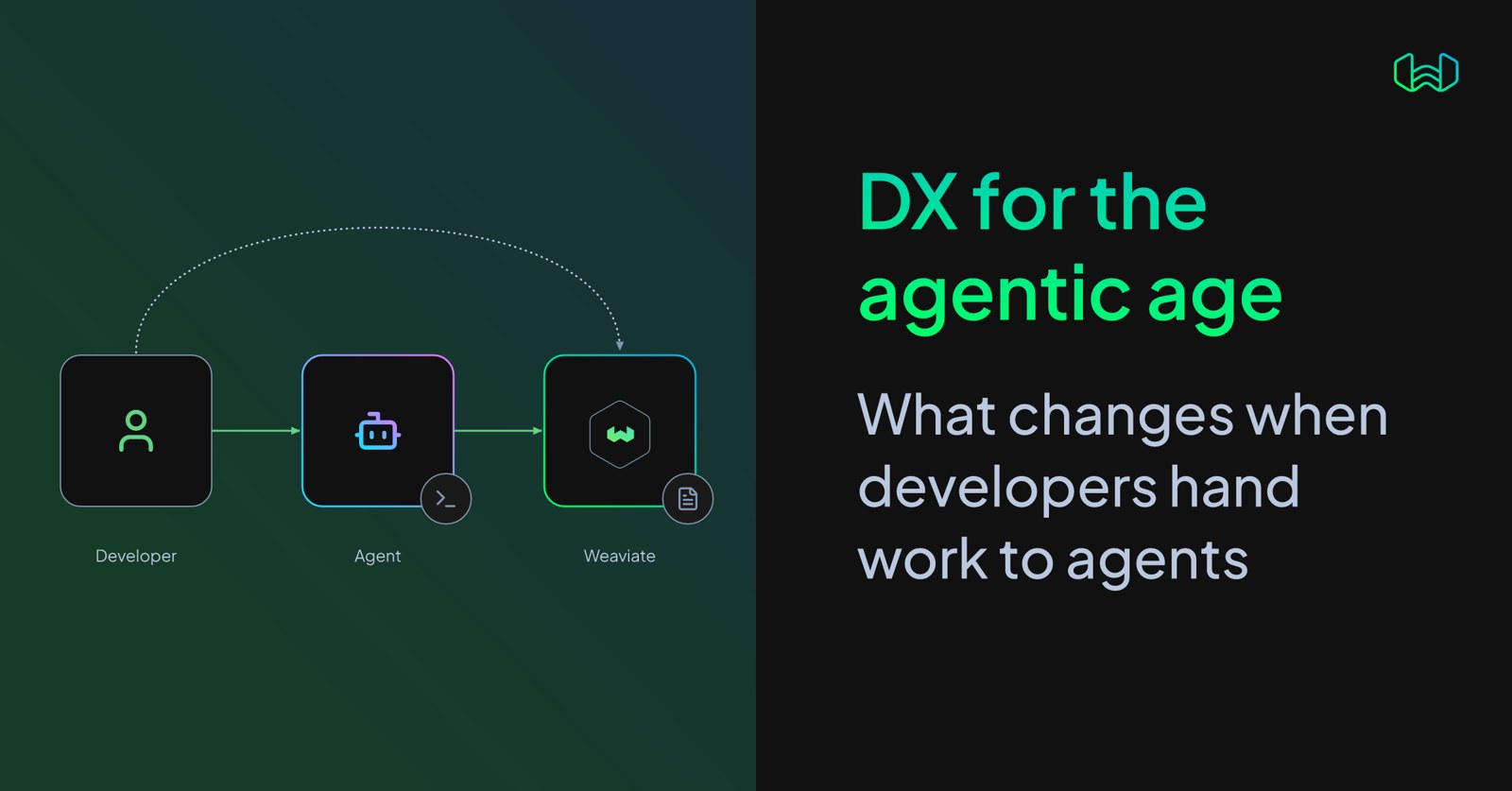
A page that looks complete to a person can reach an agent with missing examples. Retrieval quality begins with what the tool actually returns.
 Data
Examines licensed enterprise data access, source attribution and the boundary between retrieved facts and inference.
 Data
Explores how a shared workflow could improve annotation and evaluation while preserving reviewer quality.
 Data
New controls map spoken feedback to video spans and expose exact frame positions, giving data teams more precise evidence to review.
 Data
The November 2 disclosure distinguishes signed annotation work from customer capacity requests and future program decisions.
 Data
A controlled attribution benchmark varies redundancy and distractors while retaining known synthetic ground truth.
 Data
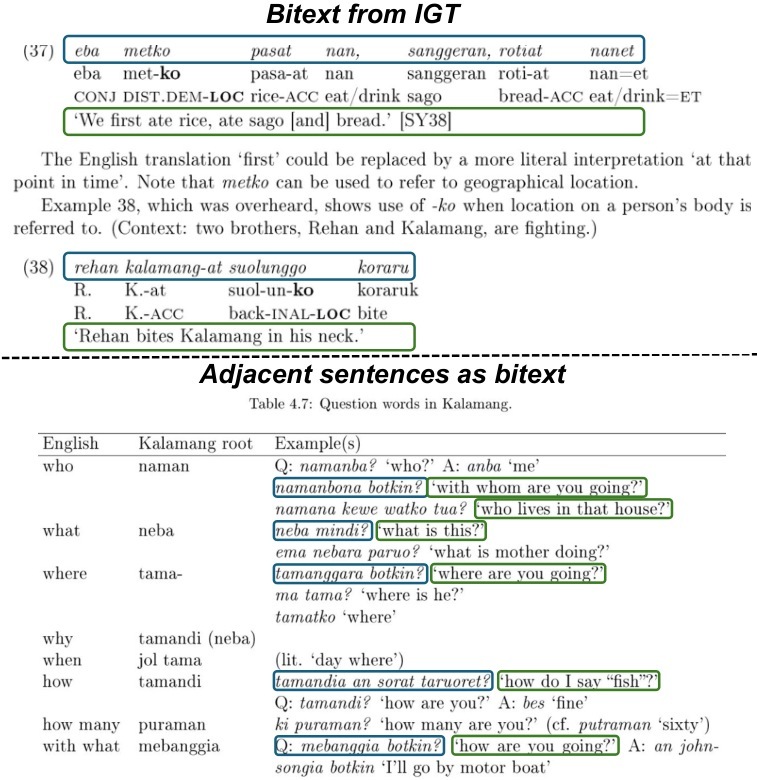
George Mason and Barron Associates use OCR and visual layout to extract paired examples for twenty languages.
 Data
The university and infrastructure coalition will use open challenges to expose documentation and interoperability gaps; the first results are still ahead.
 Data
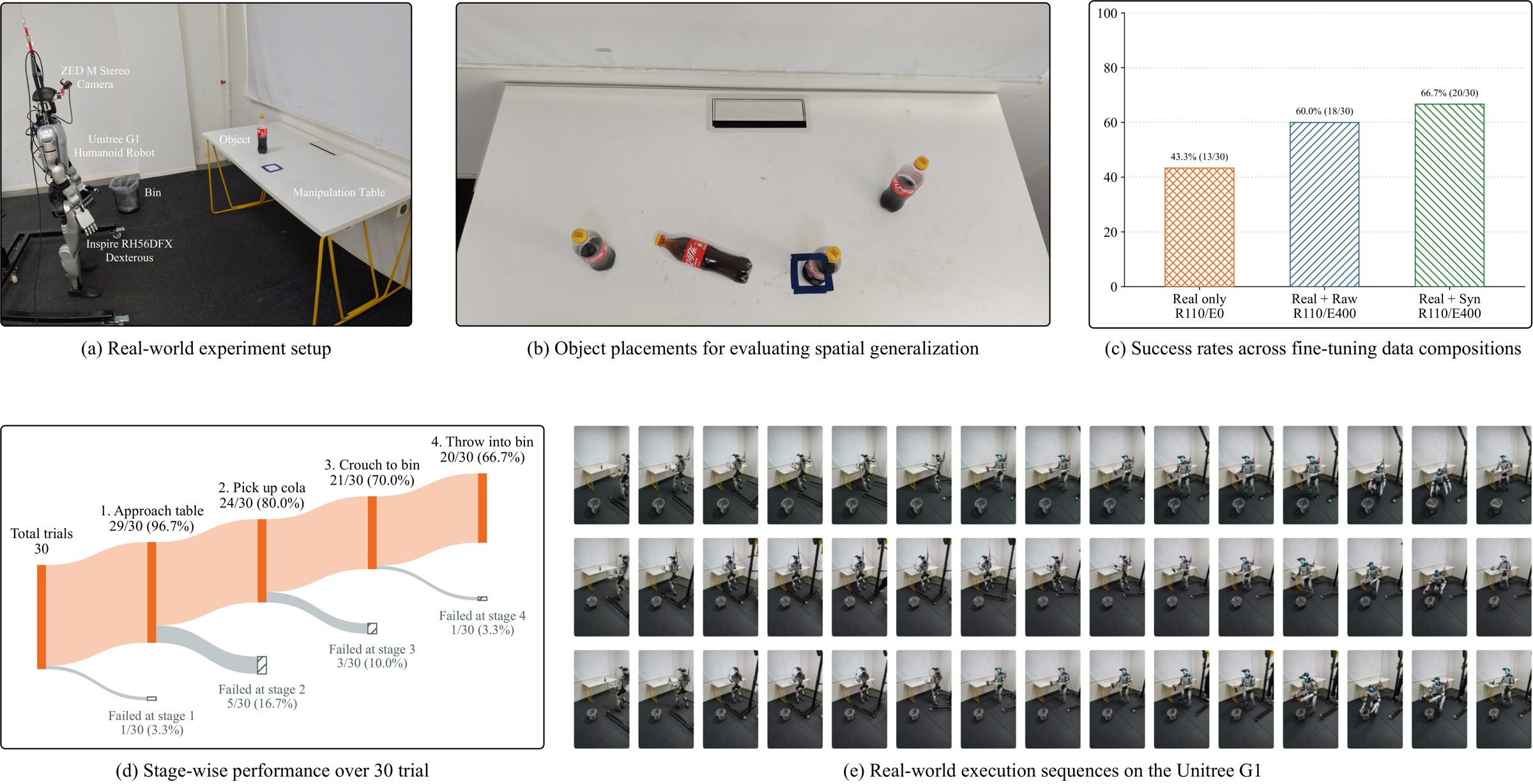
The humanoid-policy study adapts egocentric experience through simulation and visual changes; its physical evidence remains narrower than its simulation benchmark.
 Data
NVIDIA’s multilingual release exposes transcript variants and quality metadata instead of treating a transcript as one unquestioned label.
 Data
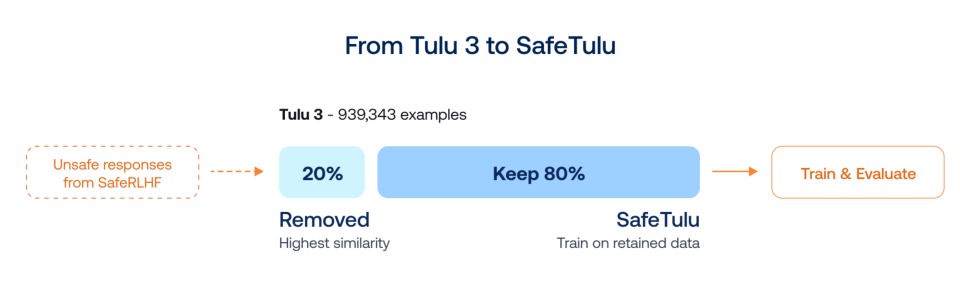
DatologyAI researchers use gradient attribution to filter benign-looking instruction data, with safety gains bounded by the tested models and attacks.
 Data
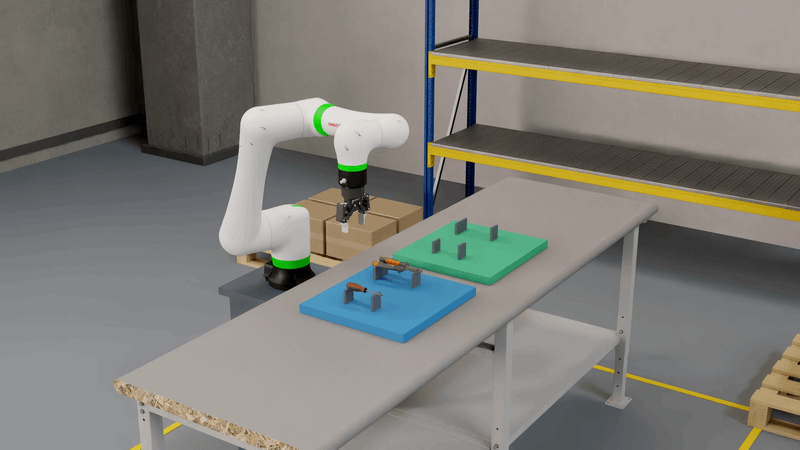
The library supplies reusable assets and declared profiles; a compatible file still needs validation against the intended experiment.
 Data
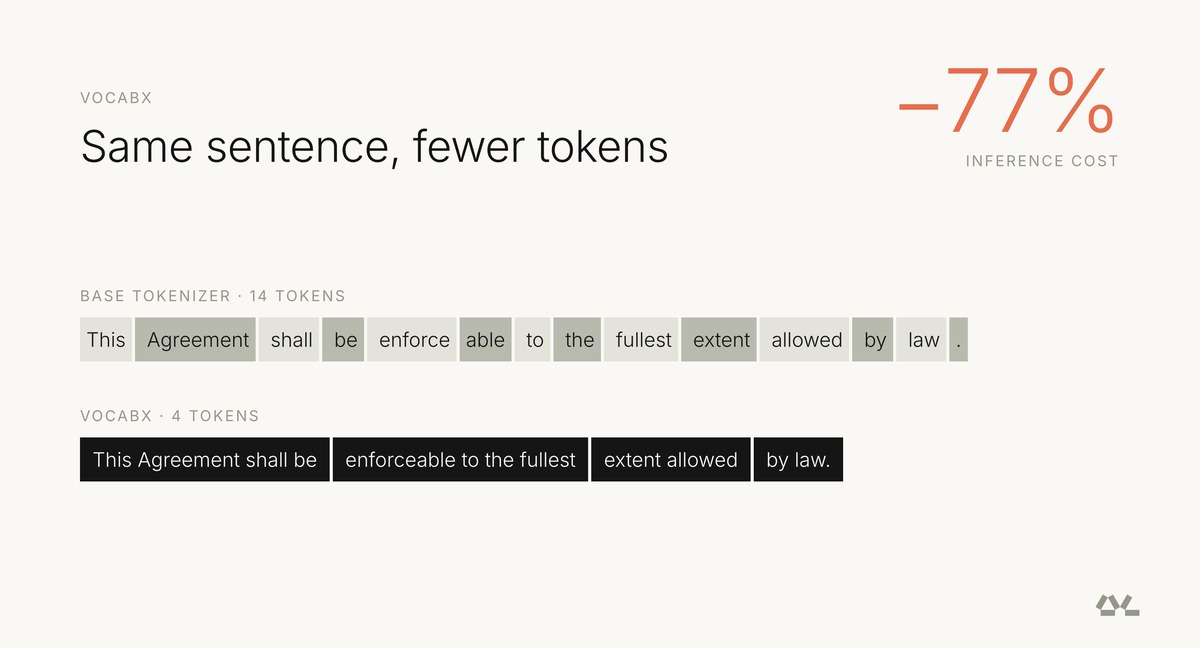
A Portuguese essay-grading case reports lower serving cost after vocabulary adaptation; the pending paper and narrow workload limit generalization.
 Data
A September engineering account compares object-storage reads with a local reader on one DROID training job; its timing result is not a general robot-capability result.
 Data
The announced US index links results to their sources; search coverage does not establish current legal authority.
 Data
Its reported compression preserves much of ranking quality, while original vectors and rescoring remain part of the storage and latency budget.
 Data
The implementation changes how candidate neighbors are explored; throughput gains must retain recall under the application’s filters.
 Data
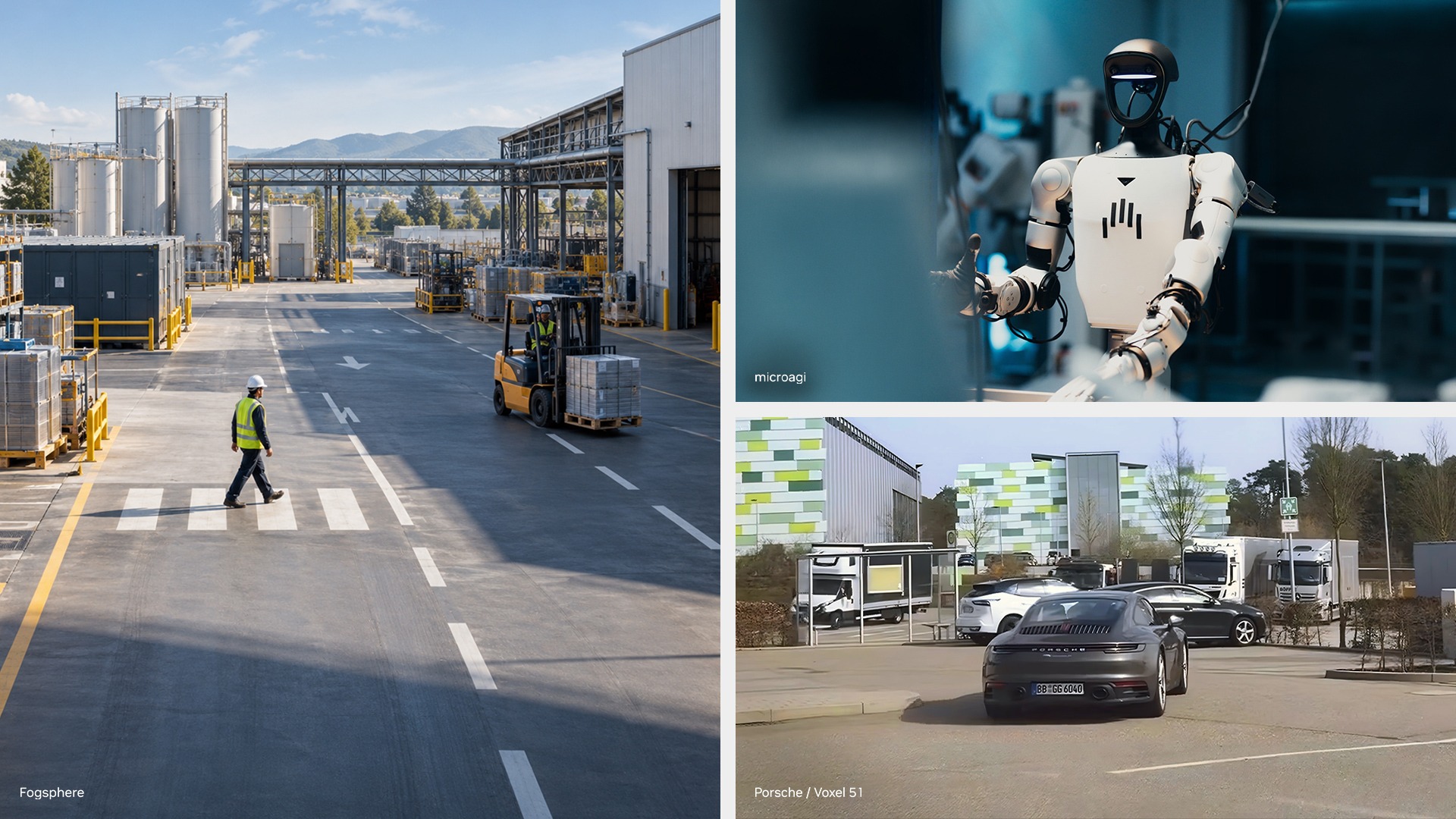
NVIDIA adds curation and generation blueprints; generated examples still need a measured connection to real-world performance.
 Data
The October 19 release expands the index and makes Dynamic Highlights generally available; shorter context still needs completeness checks.
 Data
The October 6 customer account describes EU-hosted search; an organization still needs to examine the complete path of each request.
 Data
The October 15 engineering report describes large throughput gains, with changes still at pull-request stage in that account.
 Data
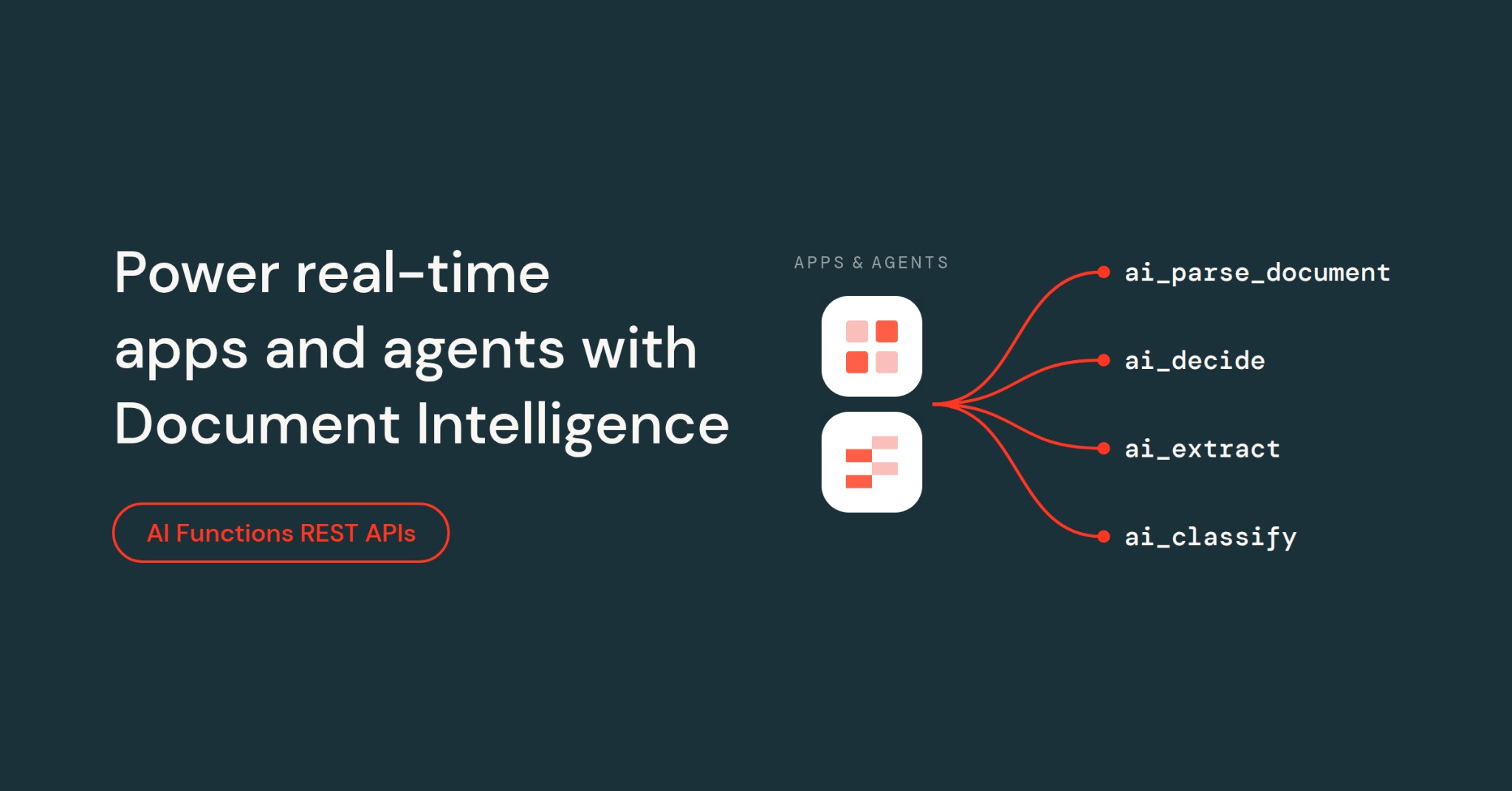
Synchronous APIs shorten the route from incoming file to review, while extracted fields still need source checks.
 Hover to animateData
NVIDIA and AI4Bharat announced a roughly 2.8-trillion-token Indic corpus and open generation pipeline; the corpus is described as releasing soon.
 Data
AutoSynthData generates executable enterprise tasks from observed capability gaps, with positive and negative verification before training.
 Hover to animateData
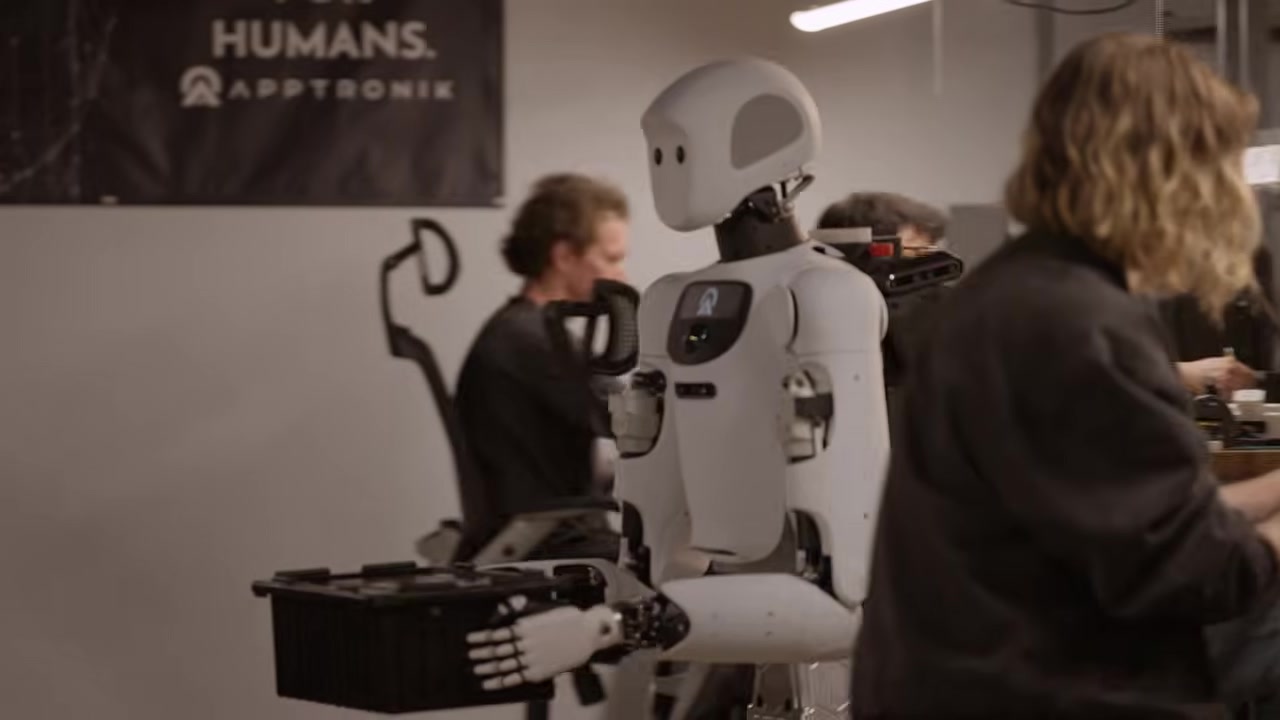
Apollo 2’s wheeled and walking configurations collect different physical experience for the Google DeepMind collaboration.
 Hover to animateData
Embed 5 Pro and Fast share an embedding space, allowing a corpus to use one model and live queries another. The compatibility has conditions and a measurable quality cost.
 Hover to animateData
Human demonstrations could reduce the experience robots must collect themselves. Buyers need proof that the data transfers to their robot, task and environment.
 Hover to animateData
Pegasus 1.6 targets first-person footage used in physical-AI datasets. Faster annotation helps only if important actions and failures survive human review.
 Hover to animateData
Training environments turn expert judgment into repeated lessons. Weak success checks can teach an agent to produce the right result through the wrong process.
 Hover to animateData
Curation Studio makes dataset selection a model-budget decision. The company’s reported compute saving is specific to its experiments; customers need a full-cost comparison.
 Hover to animateData
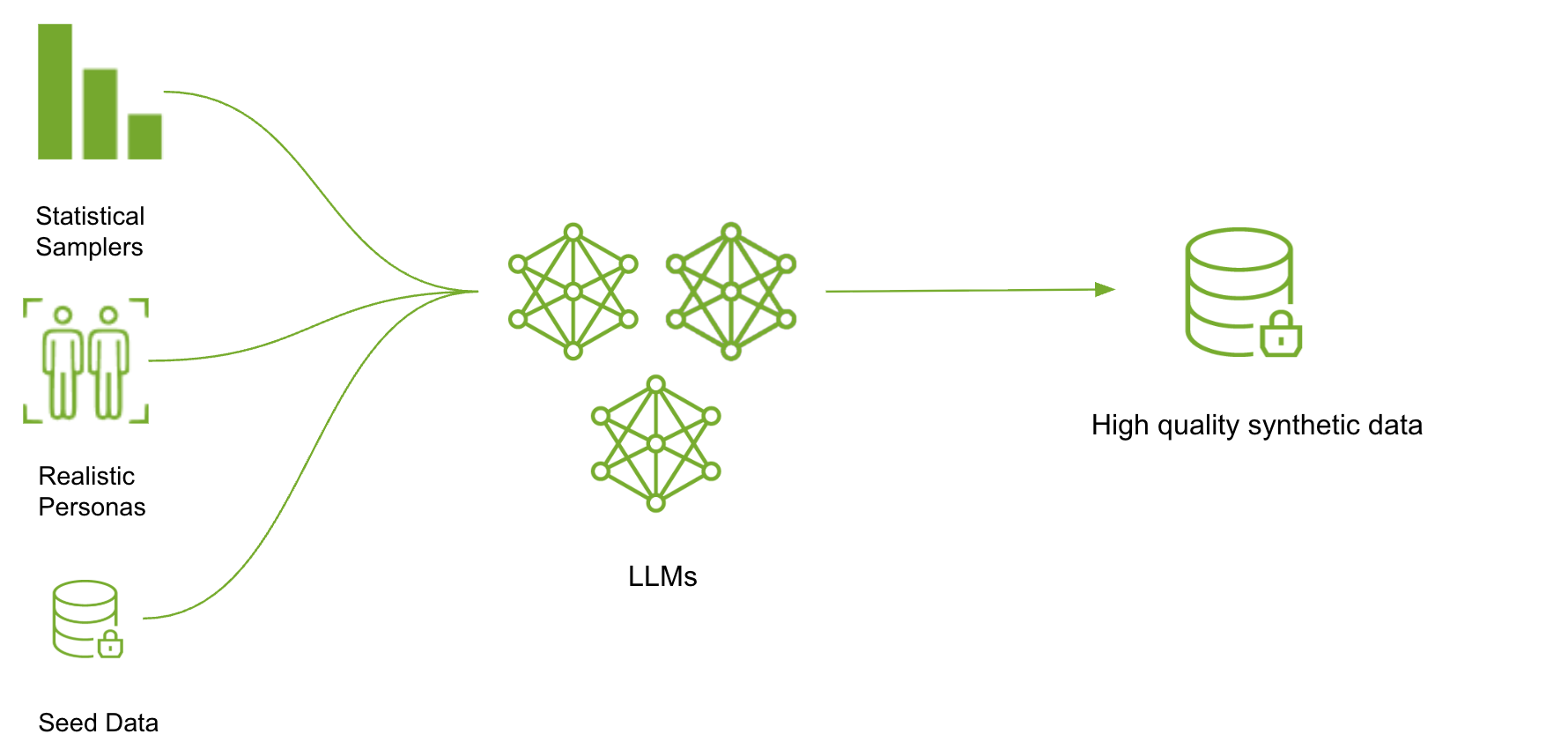
NeMo Data Designer makes fields, dependencies and checks explicit. The useful asset is a reproducible training-data recipe, not the number of generated rows.
Explore the other topics in this desk.
Explore the research library for paper-based analysis.