A document can arrive instantly while the information inside it remains unavailable to the workflow that needs it. The delay often sits between receipt, interpretation and human review. Shortening that path requires preserving the evidence for each extracted value, not merely producing a faster answer.
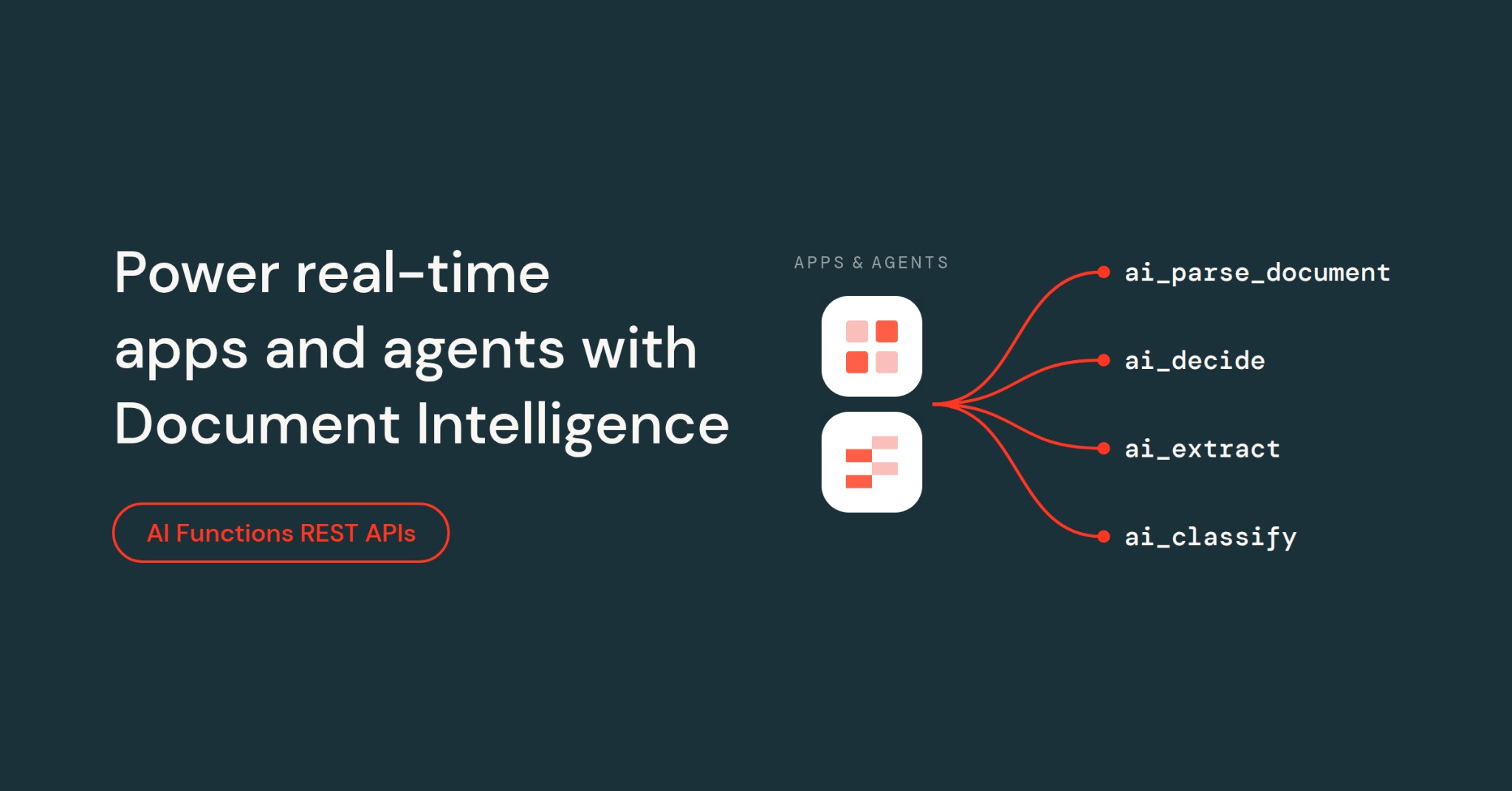
Databricks' October release describes generally available REST APIs for document parsing, classification and extraction, with its decision API in beta. The functions turn incoming files into structured content, labels and selected fields. Optional citations and confidence information are intended to help reviewers check the result. Primary source.
Extraction is an intermediate result
The distinction between extraction and approval is central. A system may correctly locate a date while misunderstanding which obligation it governs. A confidence score does not, by itself, establish that the proposed downstream action is justified.
The release's contract-intake example keeps a person in the loop: the application fills a review form, the reviewer checks it, and the approved record is written back with its source reference. That sequence makes the correction boundary visible. It should remain visible when the same functions are called by an agent.
Synchronous operation can simplify an interactive application, but it also places failures directly in the user's path. A practical evaluation should measure timeouts, unsupported files and recovery behavior as well as successful extraction latency.
Useful automation keeps a correction path
Near term, teams can connect a limited document class to a review queue and compare field accuracy against the existing process. The record should retain original files, extracted values and subsequent corrections so that an error is traceable.
Over time, this architecture could reduce repetitive document handling if its outputs remain reviewable and permissions stay aligned with the destination system. The next evidence is performance on messy production documents and the amount of review still required, rather than API availability alone.
Source organization: Databricks. Source statements are attributed; operational implications and suggested evaluation criteria are editorial analysis.
References
Questions, news tips or corrections? Contact [email protected].