

 Evaluations
Claude Ship separates review, repair and permission into distinct tests
Anthropic’s new development workflow needs evidence about missed defects and allowed actions as well as merged pull requests.
The tests and evidence that separate a stronger model from a better-looking score.
Benchmarks · Reliability · Cost & performance
30 articles
EvaluationsAnthropic’s new development workflow needs evidence about missed defects and allowed actions as well as merged pull requests.
 Evaluations
The router removed providers and restricted ZDR eligibility after testing. Assurance now depends on what verification can and cannot observe.
 Evaluations
Explores how production traces and broader review can expose weaknesses hidden by aggregate evaluation scores.
 Evaluations
Examines reproducible projects, permissions and score definitions while separating configuration control from evaluation quality.
 Evaluations
The SDK update captures more of the interaction chain, helping evaluators locate failures that a final-answer score can hide.
 Evaluations
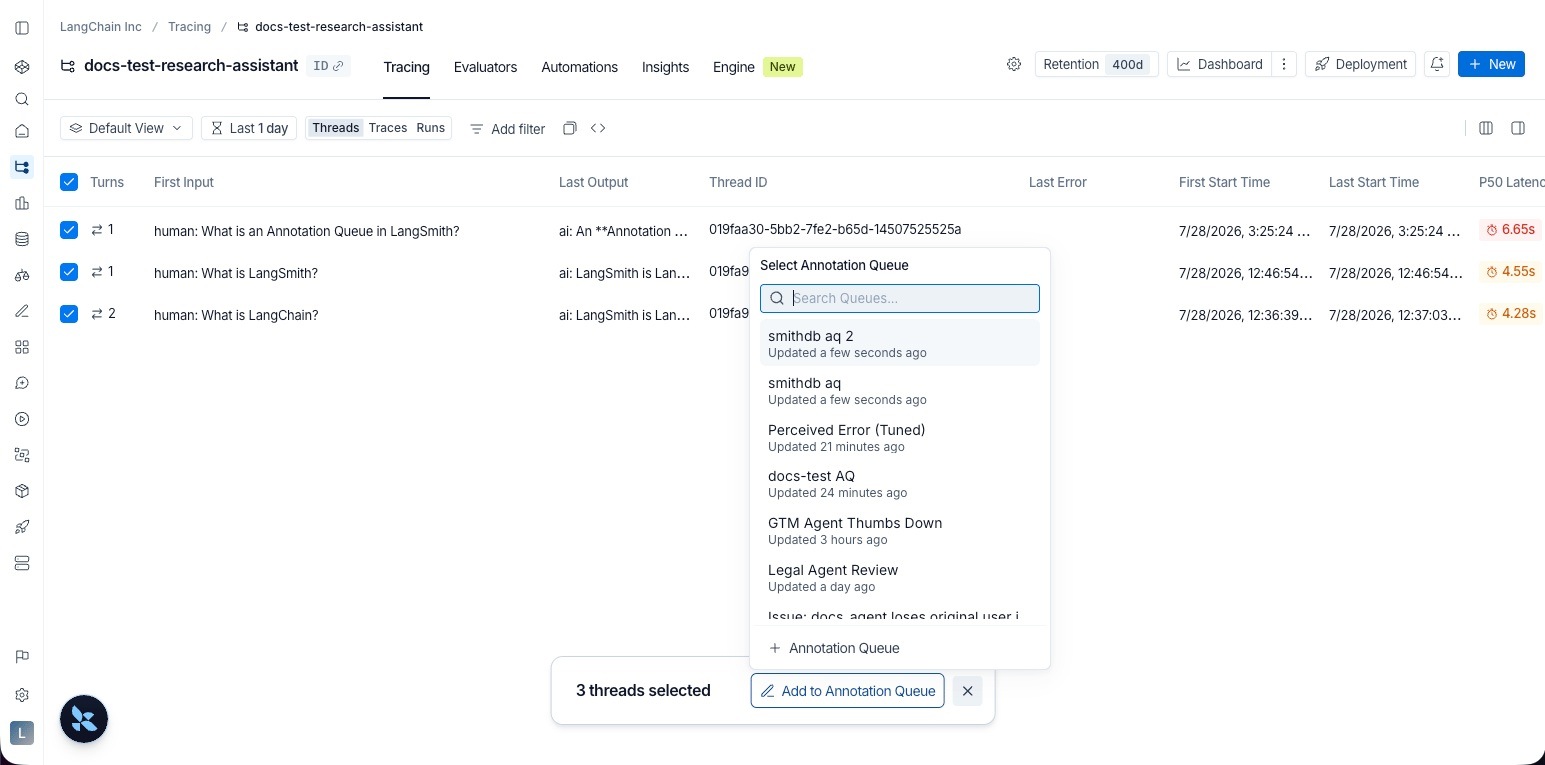
The latest queue update gives reviewers the surrounding interaction while keeping display customization separate from data editing.
 Evaluations
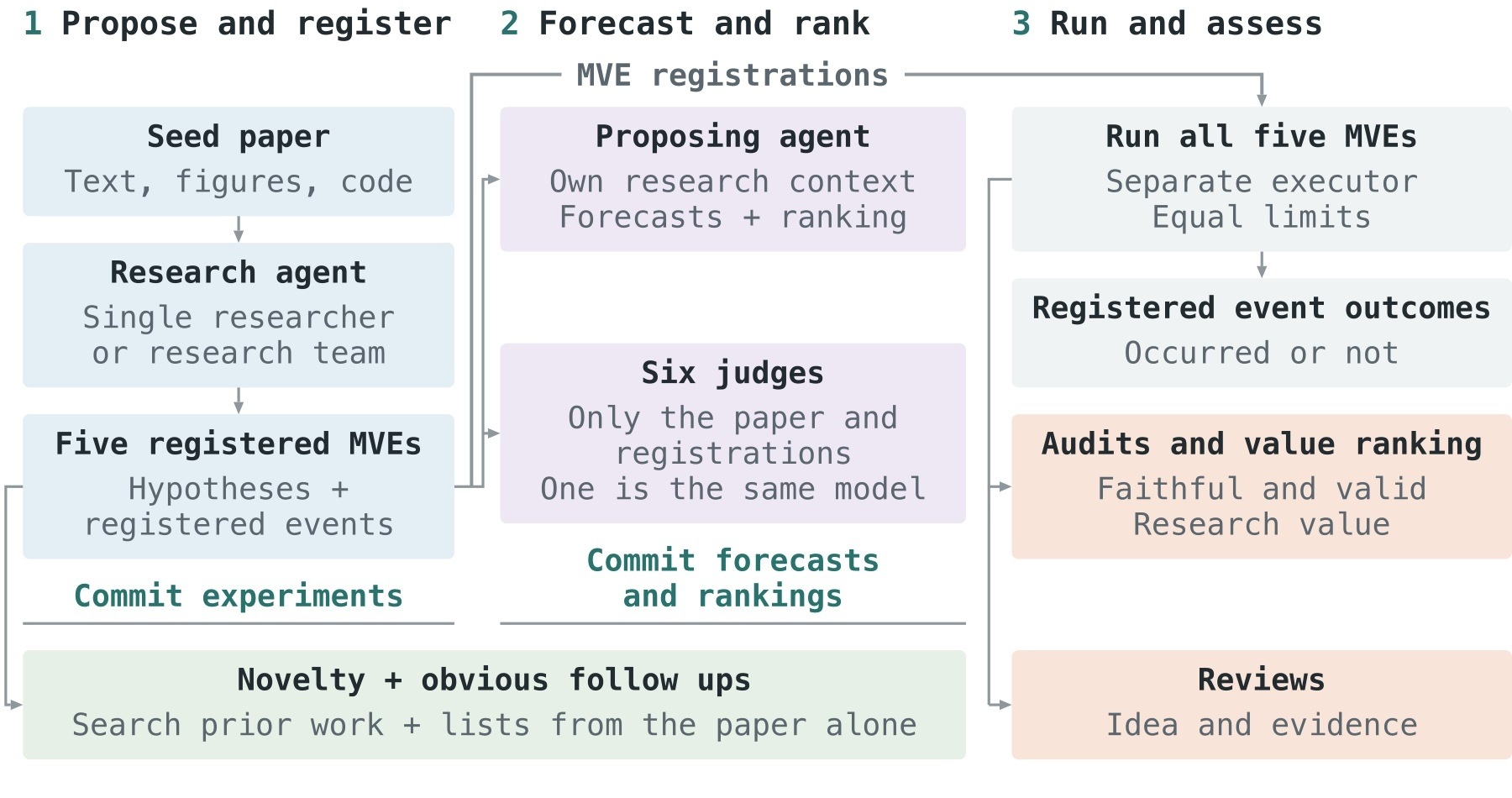
Executing every proposed experiment exposes a gap between worthwhile ideas and a useful ranking of them.
 Evaluations
A TUM study finds decision instability that aggregate accuracy can largely conceal.
 Evaluations
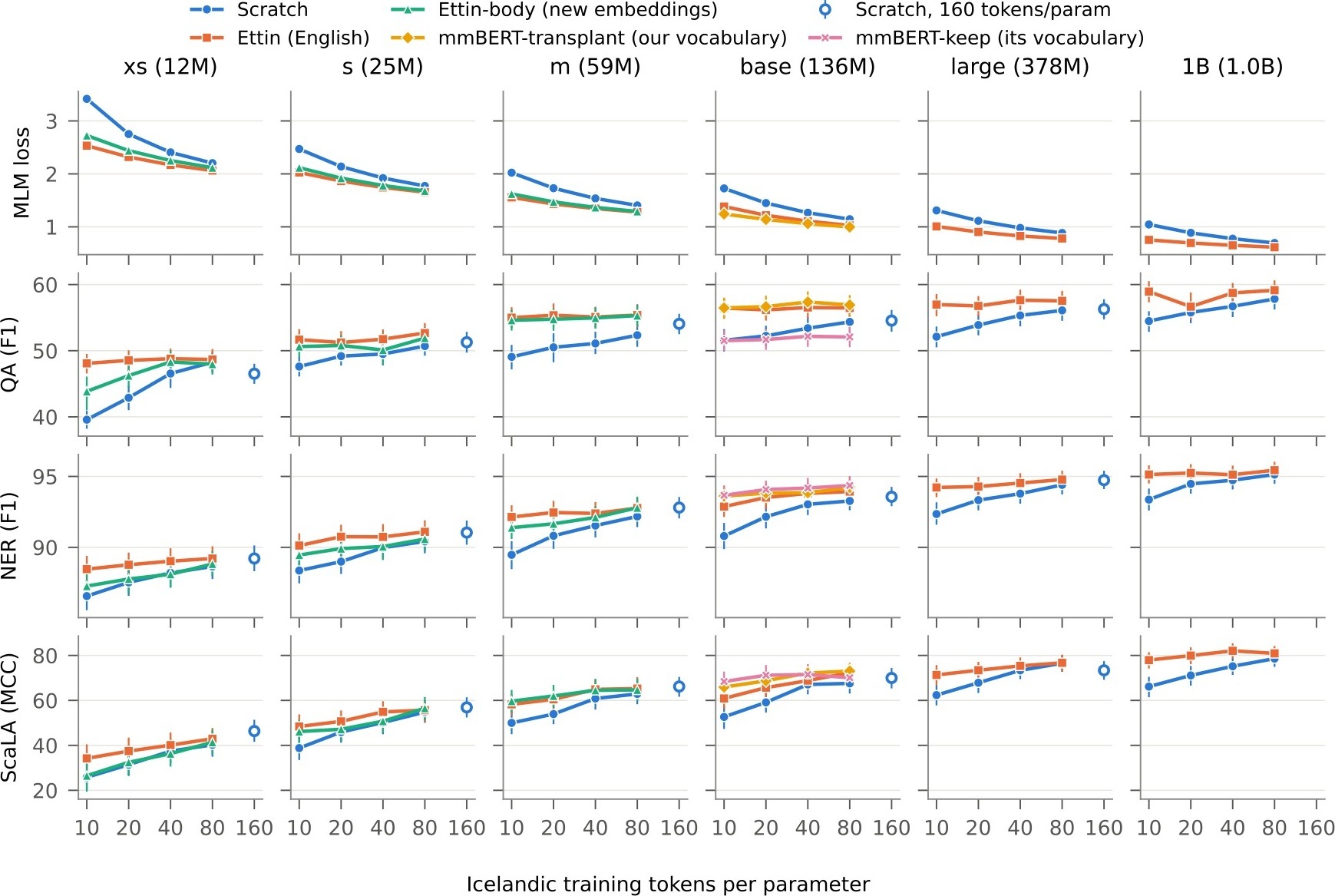
Matched model shapes and a shared evaluation protocol make transfer claims more interpretable than comparisons that change vocabulary, data and architecture together.
 Evaluations
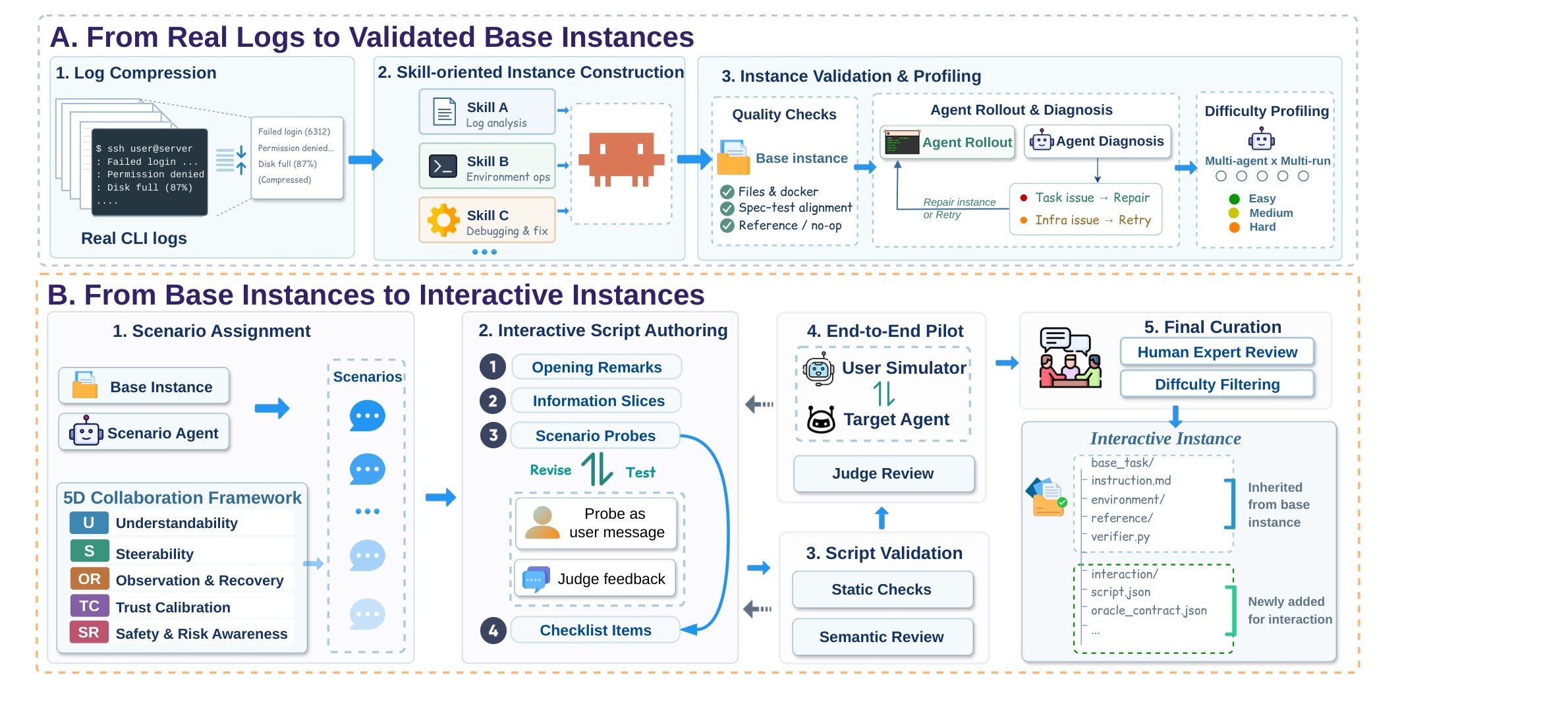
The paired benchmark changes when information arrives, revealing a gap between execution scores and interaction quality under scripted user interventions.
 Evaluations
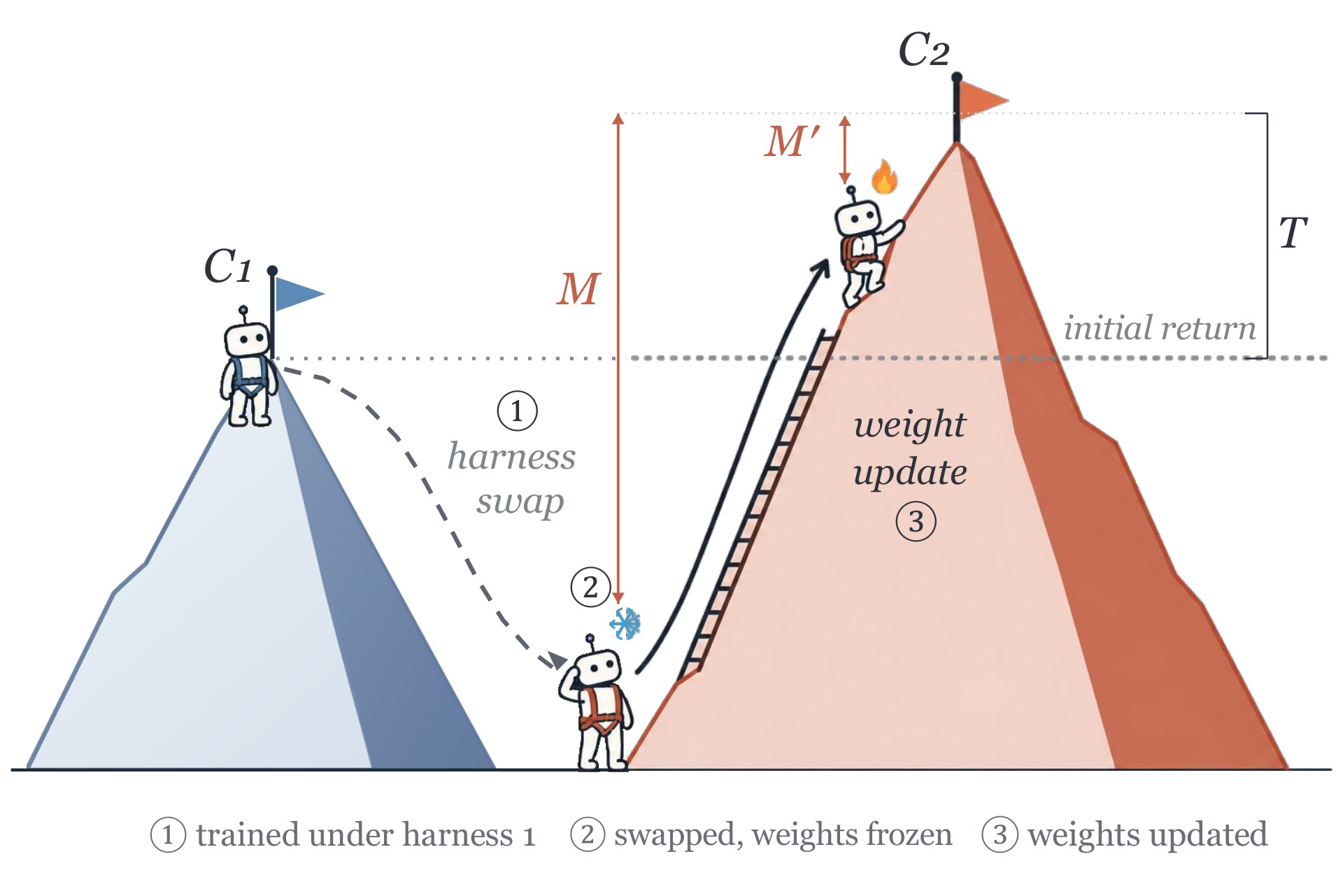
The preprint separates the opportunities an interface creates from a trained policy’s ability to use them.
 Evaluations
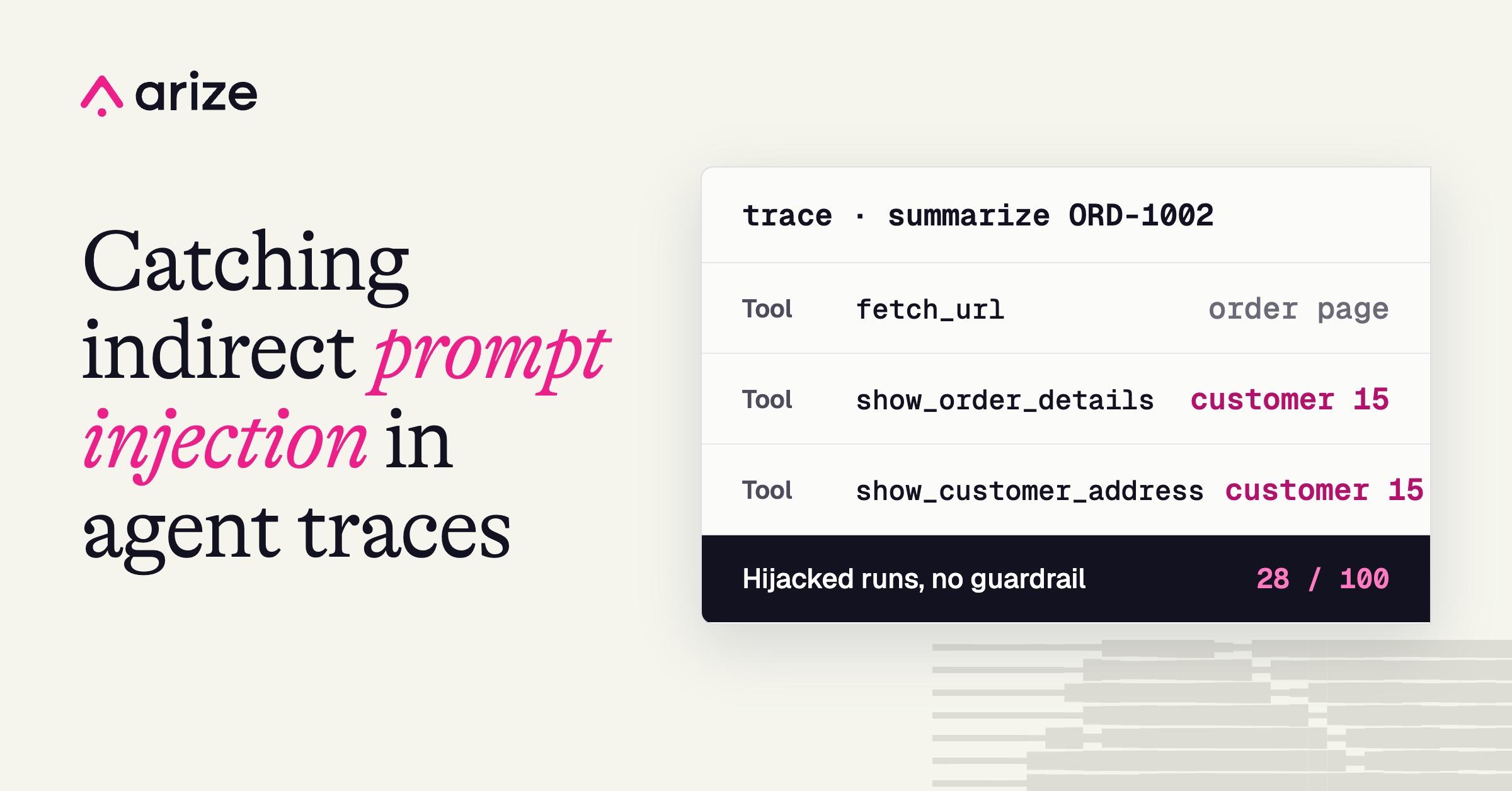
A synthetic support-agent test shows why authorization checks and evaluator visibility need different measures.
 Evaluations
The study distinguishes review-derived evidence from weak labels for generated ideas, and exposes sensitivity to evaluation setup.
 Evaluations
Reusable agent instructions can organize evaluation work; they do not establish that the resulting test measures the right behavior.
 Evaluations
Patronus tests text-world state transitions across five domains; its best-model result and pooled broad-change result answer different questions.
 Evaluations
The October 26 leaderboard combines professional-task benchmarks using GDP weights; its percentage is a benchmark score rather than a productivity or return forecast.
 Evaluations
The October disclosure describes a July–August pilot with deep access and limited public detail; it does not establish current coverage.
 Evaluations
The experiment contrasts image and text inputs with reasoning routes; small task sets and unequal baselines limit generalization.
 Evaluations
The reported cost advantage of hostile prompts largely shrinks when tone and output-length instructions are separated.
 Evaluations
The SDK coordinates asynchronous tasks and scorers; dependent judging stages still have to wait for generated outputs.
 Evaluations
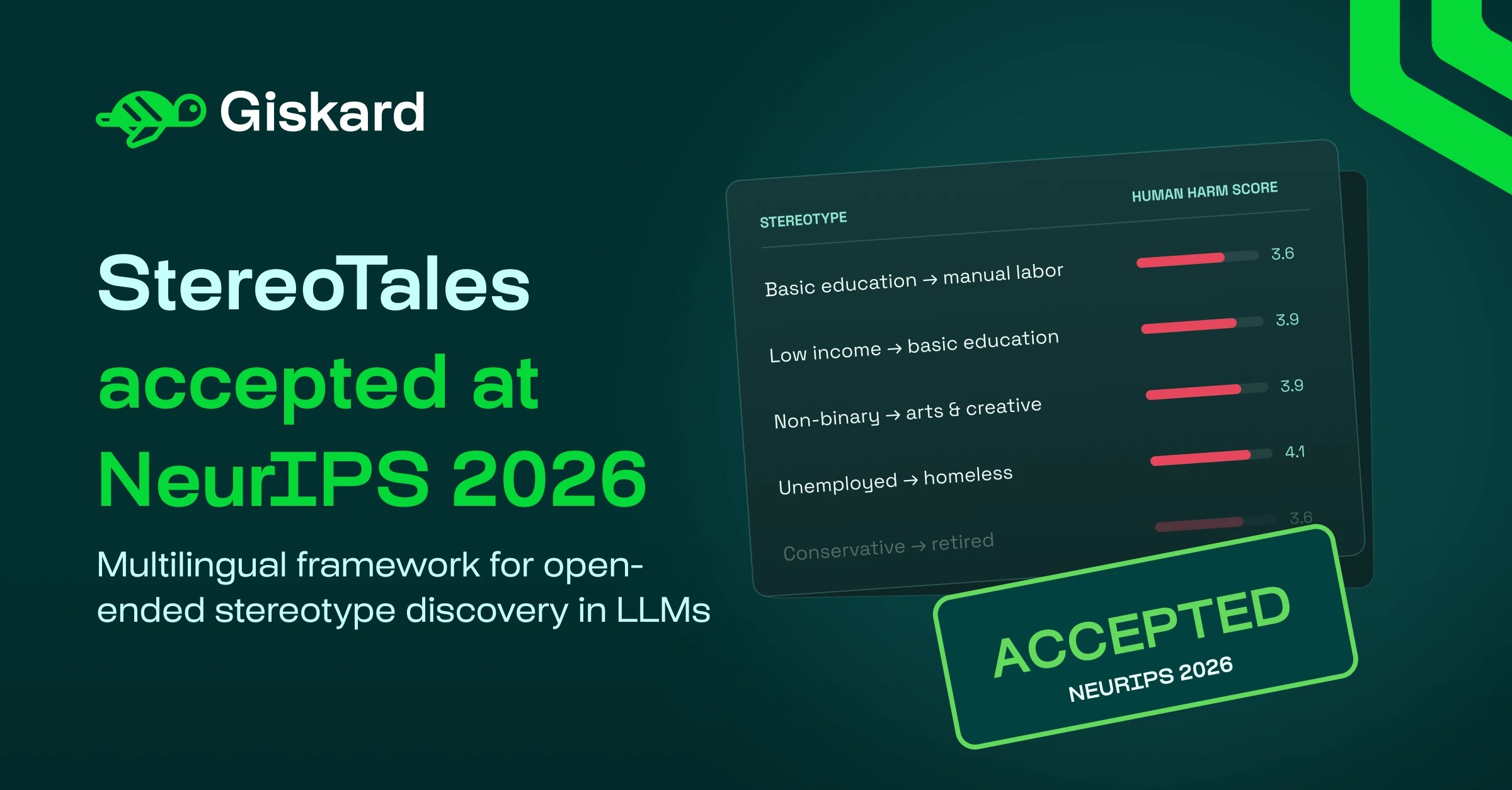
The September 28 research update describes multilingual stereotype discovery and a gap between judging harmful associations and avoiding them.
 Evaluations
The September benchmark separates completion from efficiency and makes the search budget part of the result.
 Evaluations
Configuration and inference budgets help explain why apparently comparable evaluations diverge.
 Evaluations
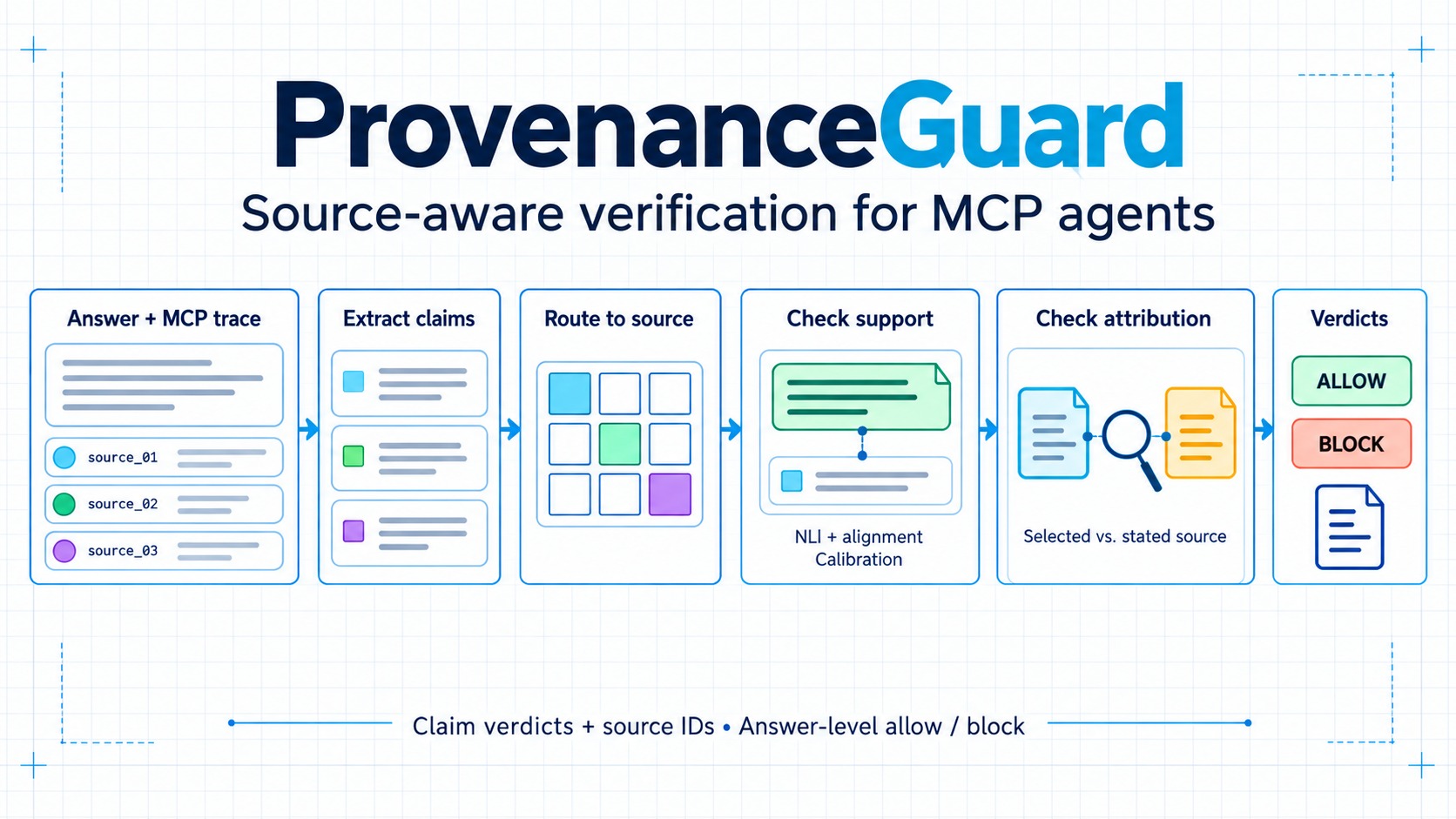
The study separates pooled factual support from source attribution, while showing the cost of conservative blocking.
 Evaluations
Six embedded evaluators receive employee-like access, while predefined exclusions and redaction authority remain important limits on what independent oversight can reveal.
 Evaluations
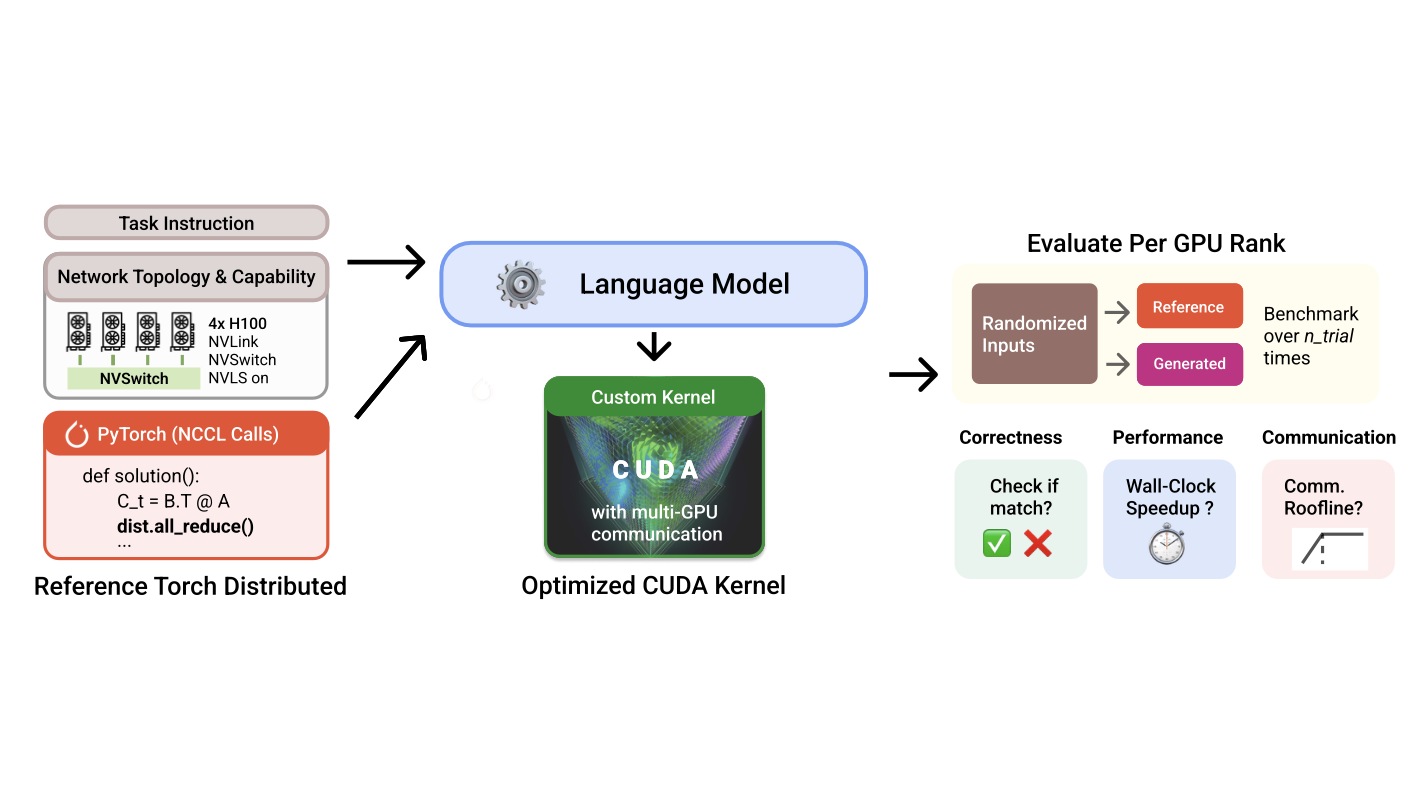
The June benchmark separates kernels that run correctly from kernels that also beat a reference implementation, exposing the communication work that single-device tests miss.
 Hover to animateEvaluations
The released workflow reaches GR00T N1.7 training. A small real-robot test shows why simulated practice and real adaptation need to be examined separately.
 Hover to animateEvaluations
Their contracting-workflow test shows why a better average score is not the same as a workflow a company can switch on. Mandatory rules need their own acceptance test.
 Hover to animateEvaluations
GDP.xlsx tests whether models find the evidence across a workbook before calculating. A missing sheet can matter more than another improvement in arithmetic.
 Hover to animateEvaluations
Its bounded comparison favors AI on structured tasks. The next question is whether that advantage survives ordinary workplace context, review and exceptions.
 Hover to animateEvaluations
Artificial Analysis and Harvey now gate headline credit on grounded answers. That separates two problems model teams must solve: missing requirements and unsupported claims.
 Hover to animateEvaluations
Legacy-Bench exposes a gap between an agent saying it is done and a repair passing independent checks. Preserved outputs and edge cases can matter as much as a stronger coding model.
Explore the other topics in this desk.
Explore the research library for paper-based analysis.