Choosing a label quickly is different from controlling a sequence of actions where each choice changes the next observation. A model useful for ticket routing may therefore struggle in an interactive task, even when both interfaces appear to ask for one option from a list.
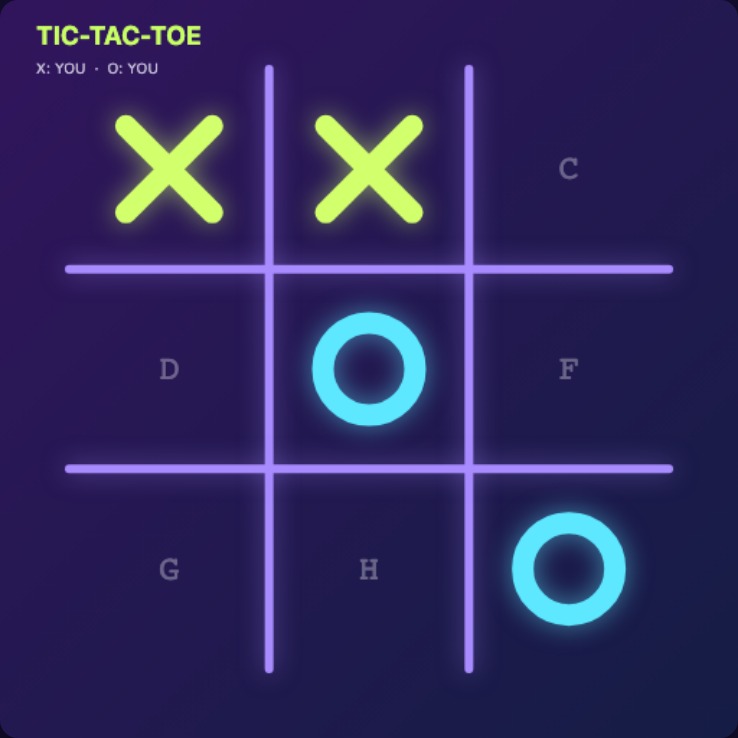
Arize’s October 20 study compares decision models and language-model response routes on tic-tac-toe, Minesweeper and Flappy Bird. Its account reports that the language-model routes performed better across the games, while most decision models struggled. It also compares image and text observations and examines a reasoning-effort change. These are the study author’s experiments, with small game counts and specific prompts, rather than a general verdict on every decision-model use case. Read the primary source.
The observation and control loop matter
The deterministic game baselines have programmatic access that the screenshot-driven models do not. Arize acknowledges that difference. Their scores help show what successful play looks like, but they are not a clean comparison of equivalent input access. Likewise, a game’s pacing and repeated decision history can change the task being measured.
A team considering a decision model should test the actual interaction it expects to automate. One-step classification, tool routing and sustained control should have separate acceptance criteria. Replaying identical states across candidate routes can help isolate whether a difference comes from perception, reasoning, action timing or the interface.
The wider implication is methodological: a compact decision API should be evaluated on the job it must do, rather than assumed to inherit every capability of a related generative model. More tasks, repeated runs and controlled interface comparisons would show how stable the reported gap is.
References
Questions, news tips or corrections? Contact [email protected].