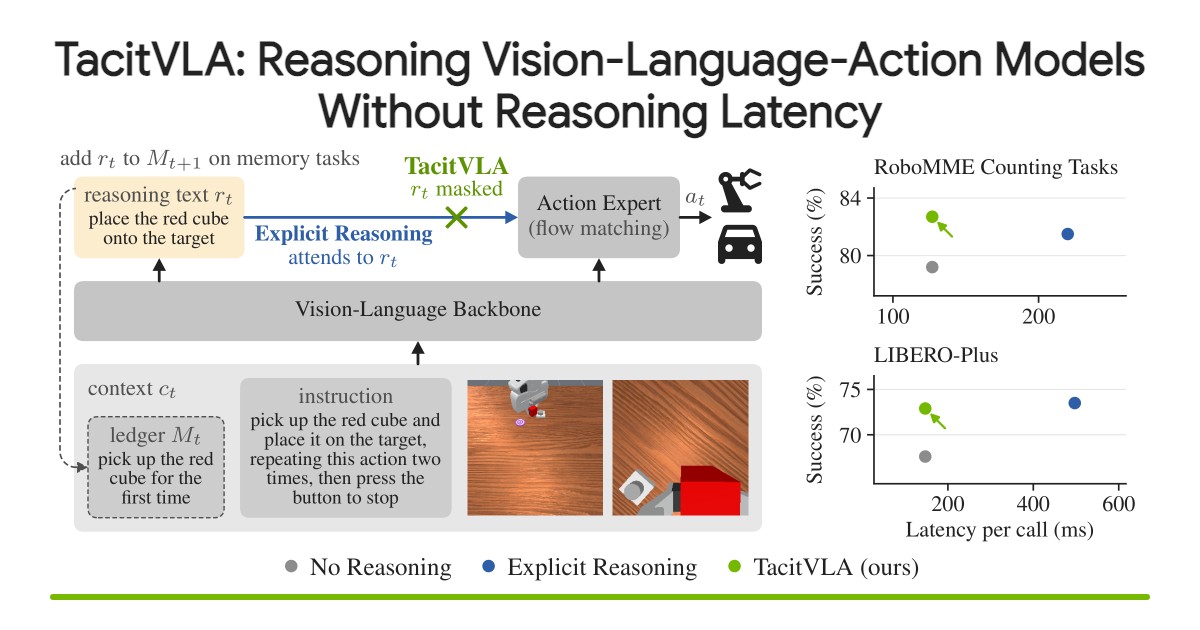
One model explains its reasoning in text, another reads it, and both pay for the translation. Sharing internal state offers a shorter route, but only if the receiving model can use it.
CacheFuse, introduced October 12, tests linear interpolation of an upstream key-value cache into a downstream model. Its authors report reasoning gains and reduced first-token latency in the evaluated multi-model configurations without pair-specific adapter training. Read the research paper.
Faster communication is harder to inspect
Text provides an explicit message that can be logged and reviewed. Latent transfer can carry useful computation without an equally readable account of what crossed the boundary.
That makes behavioural interventions important. Compare helpful, irrelevant and conflicting donor contexts, and test whether instructions remain isolated when they should. Improved benchmark answers do not establish universal interoperability or security.
The study's model pairs and cache configurations define the demonstrated scope. A training-free method can still require careful compatibility testing.
The opportunity is substantial: agents need not always communicate by restating material both models already know how to represent. The engineering requirement is equally clear—saving the words does not remove the need to verify what the receiver actually inherited.
Questions, news tips or corrections? Contact [email protected].