

 Data
Hugging Face targets the text-normalization work behind BERT tokenization
The October 15 engineering report describes large throughput gains, with changes still at pull-request stage in that account.
The datasets, collection systems and curation methods that determine what a model can learn.
Datasets · Collection & data rigs · Synthetic data · Curation & labeling
11 articles
DataThe October 15 engineering report describes large throughput gains, with changes still at pull-request stage in that account.
 Data
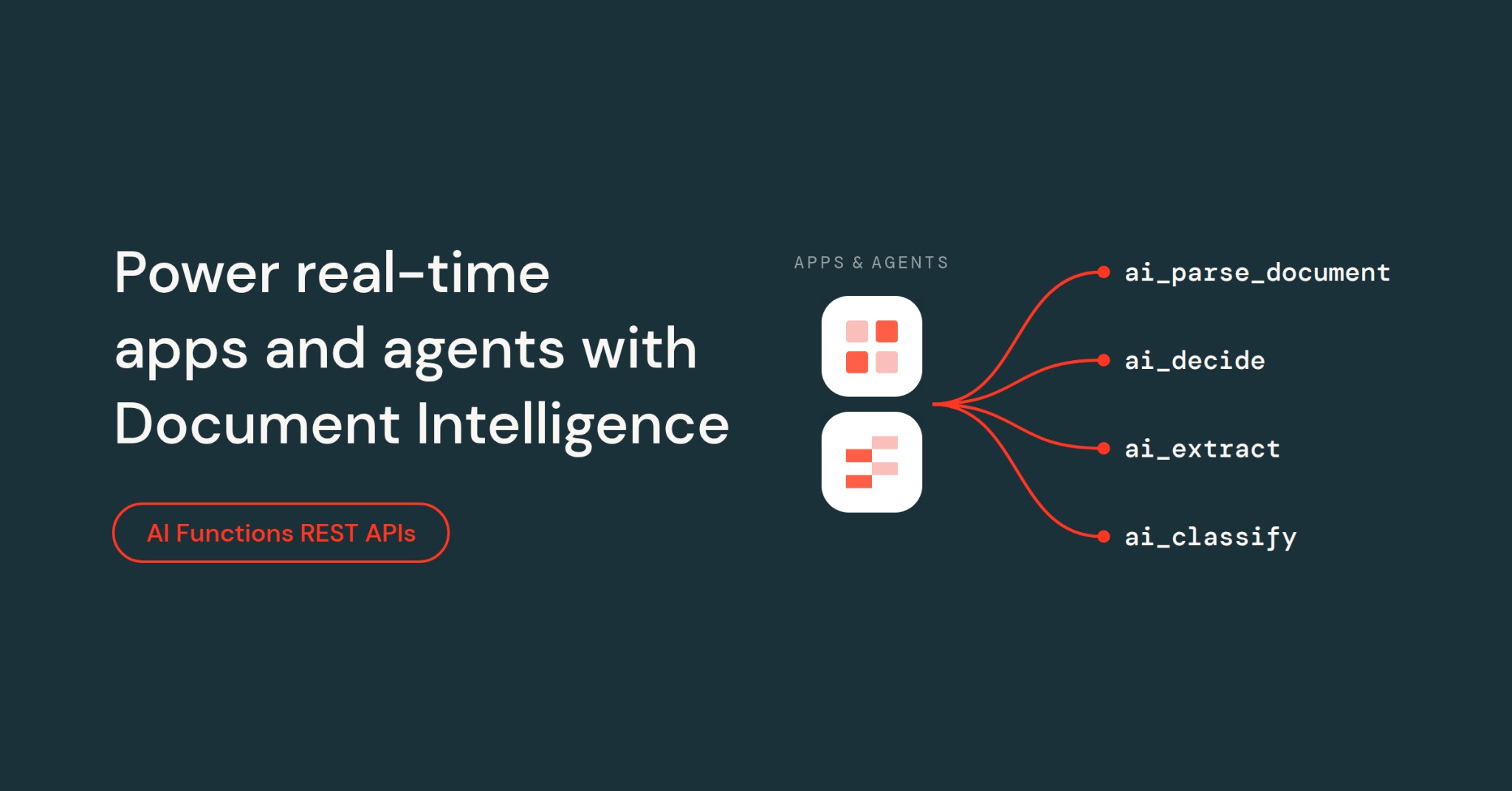
Synchronous APIs shorten the route from incoming file to review, while extracted fields still need source checks.
 Hover to animateData
NVIDIA and AI4Bharat announced a roughly 2.8-trillion-token Indic corpus and open generation pipeline; the corpus is described as releasing soon.
 Data
AutoSynthData generates executable enterprise tasks from observed capability gaps, with positive and negative verification before training.
 Hover to animateData
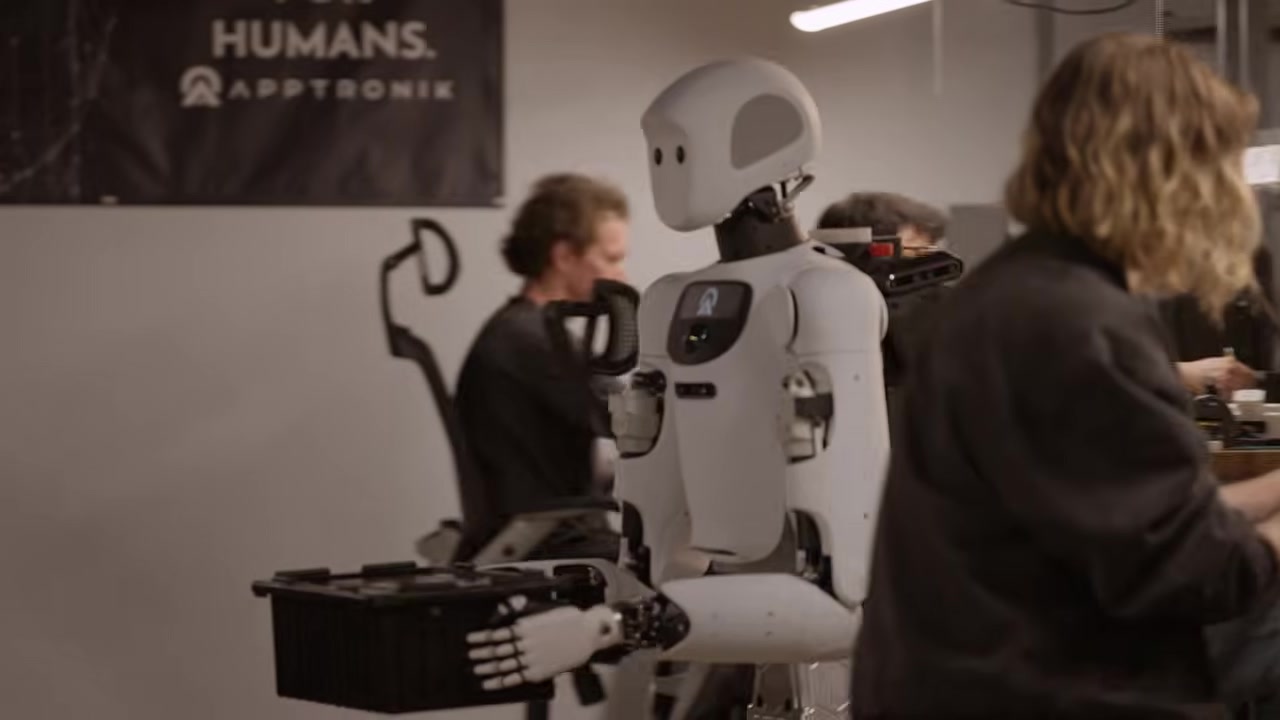
Apollo 2’s wheeled and walking configurations collect different physical experience for the Google DeepMind collaboration.
 Hover to animateData
Embed 5 Pro and Fast share an embedding space, allowing a corpus to use one model and live queries another. The compatibility has conditions and a measurable quality cost.
 Hover to animateData
Human demonstrations could reduce the experience robots must collect themselves. Buyers need proof that the data transfers to their robot, task and environment.
 Hover to animateData
Pegasus 1.6 targets first-person footage used in physical-AI datasets. Faster annotation helps only if important actions and failures survive human review.
 Hover to animateData
Training environments turn expert judgment into repeated lessons. Weak success checks can teach an agent to produce the right result through the wrong process.
 Hover to animateData
Curation Studio makes dataset selection a model-budget decision. The company’s reported compute saving is specific to its experiments; customers need a full-cost comparison.
 Hover to animateData
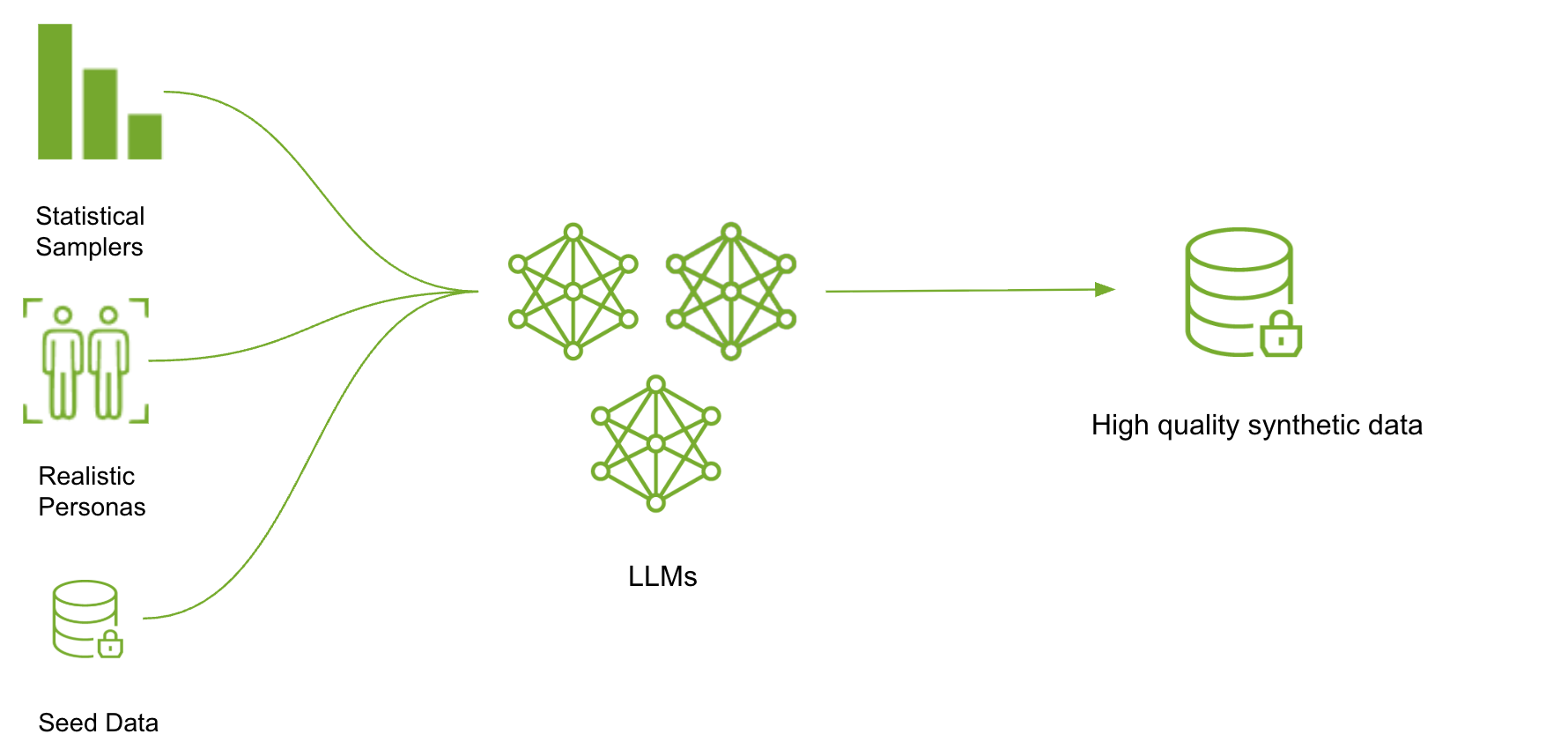
NeMo Data Designer makes fields, dependencies and checks explicit. The useful asset is a reproducible training-data recipe, not the number of generated rows.
Explore the other topics in this desk.
Explore the research library for paper-based analysis.