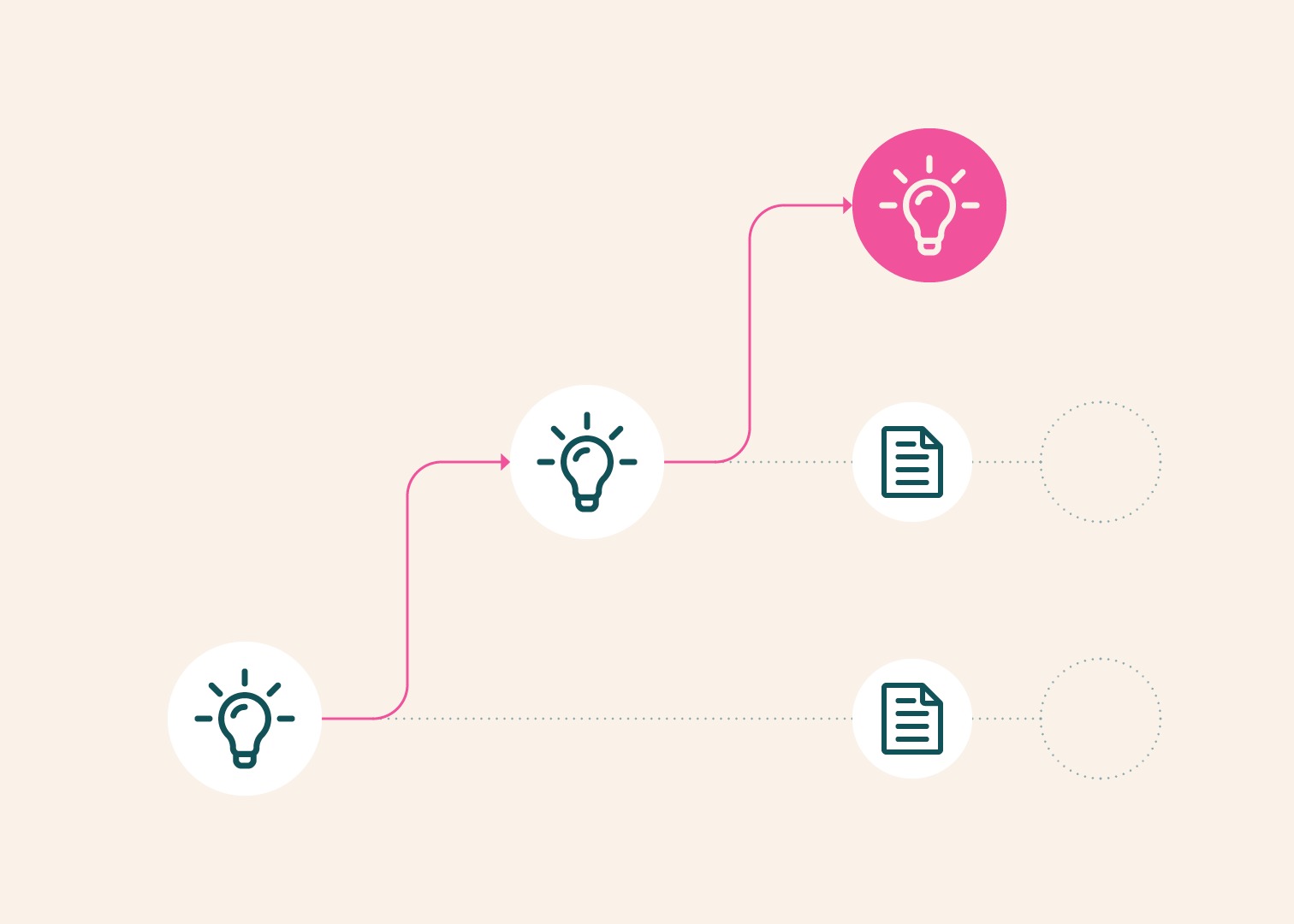
A research proposal changes as its author discovers related work. That creates an evaluation problem for AI writing tools: a revision can sound more convincing without becoming better supported, and a literature collection chosen for the original proposal may no longer fit the revised one. Judging the fluency of the resulting text does not answer whether the underlying research argument improved.
An October 23 account from Ai2 describes LitPivot, developed with University of Pennsylvania collaborators to connect proposal revision with selection of relevant papers. This is a recent institutional explanation of existing research, rather than a newly submitted paper. The reviewed arXiv version was revised on September 22 after an initial April submission.
The interface makes the comparison visible
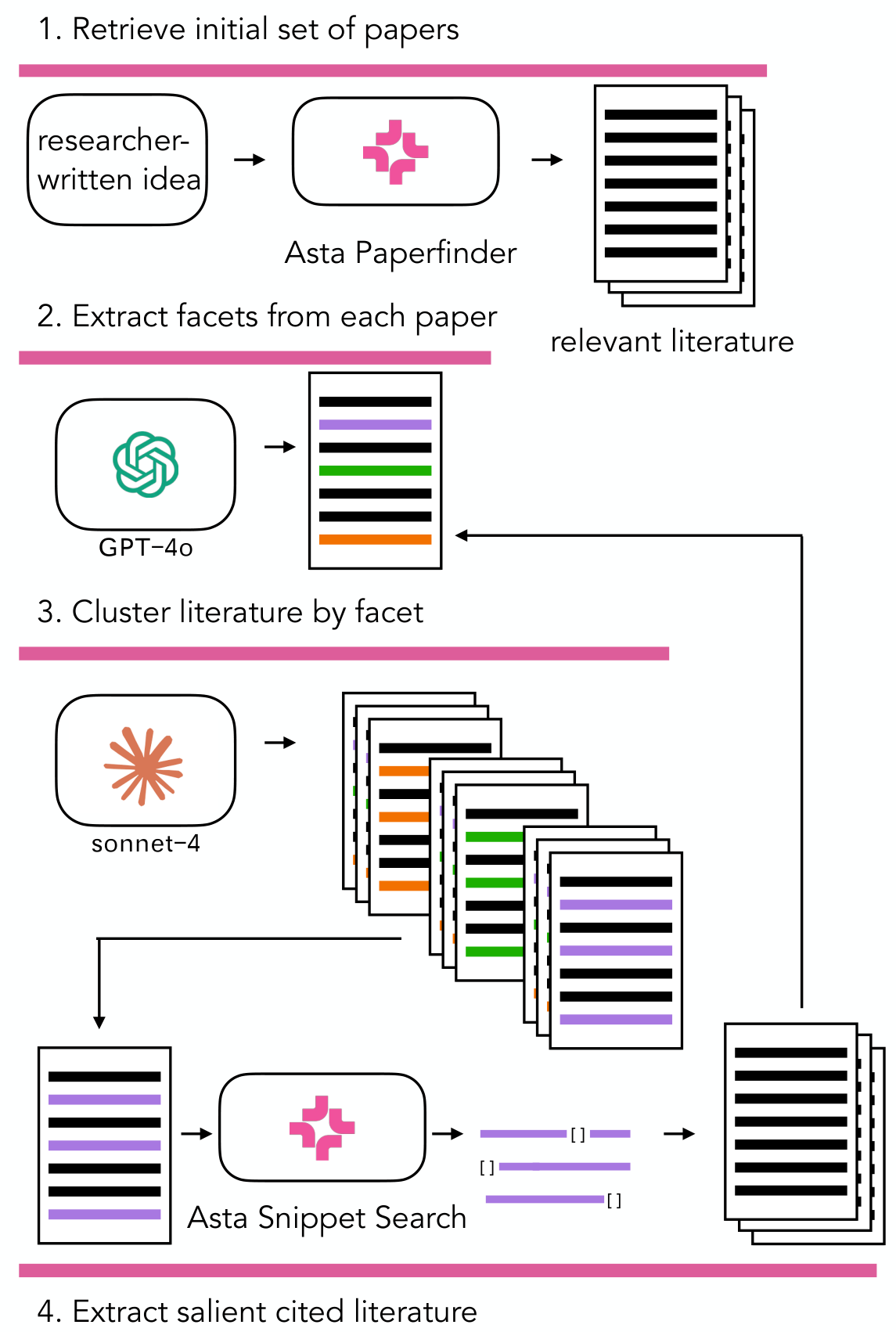
LitPivot separates a proposal into its problem, contribution and evaluation. Selecting one part brings forward related groups of papers; the researcher chooses which evidence should inform a critique. Suggested revisions appear alongside supporting excerpts, and the relevant literature is reconsidered as the proposal changes. Researchers retain the choice to accept, edit or reject the suggested text.
That design makes a specific assumption inspectable: which earlier studies the proposal is being compared with. A persuasive critique based on an incomplete set of papers remains incomplete. Giving the researcher access to that selection does not solve retrieval coverage, but it makes the evidence boundary part of the interaction.
What the study measured
The authors report a lab study with 17 researchers, each developing an assigned idea with LitPivot and another with a baseline editor plus AI chat tool. Both conditions used the same paper collection. Two domain experts, who were also the paper’s last two authors and were unaware of which system produced each proposal, judged how well the ideas were supported and justified by relevant literature. Proposals developed with LitPivot received higher ratings on that criterion.
Participants also reported improvements in understanding, novelty and usefulness. Those self-assessments should remain separate from the experts’ narrower grounding judgment. A follow-up with five researchers working on their own projects explored usage during short sessions. It provides qualitative evidence about how the interface was used; it does not establish a long-term improvement in scientific output.
From proposal support to research outcomes
The immediate result concerns a research workflow and its evaluated artifacts. Better-supported proposals are valuable, but the study does not show that their hypotheses were correct, their experiments succeeded or their eventual publications made larger contributions. Those outcomes require different evidence and longer observation.
The wider possibility is that AI research assistants can expose the relationship between a draft and its sources rather than offering an unexplained verdict on novelty. Whether that translates into durable benefits depends on retrieval coverage, reliable interpretation of excerpts and use beyond the tested settings. The next useful evidence would follow proposals through later research decisions while examining both missed prior work and incorrect critiques, not just the polish of the revised text.
Questions, news tips or corrections? Contact [email protected].